
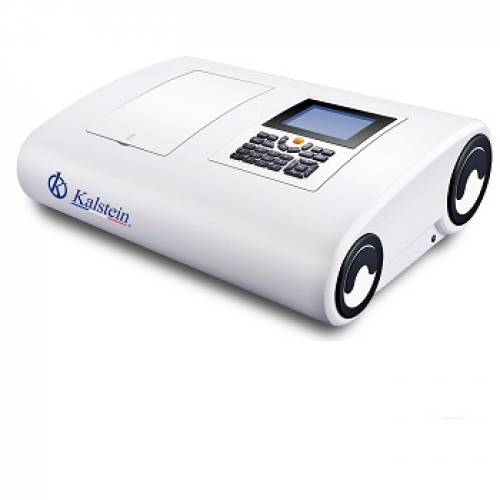
When it comes to laboratory equipment, choosing the right spectrophotometer can make all the difference in research accuracy and efficiency. In this article, we compare two leading products: the Double Beam UV/VIS Spectrophotometer c- YR01863 // YR01865 from Kalstein, and the UV-1900i Double Beam UV-VIS Spectrophotometer from Shimadzu.
The Kalstein Double Beam UV/VIS Spectrophotometer c- YR01863 // YR01865 is designed for precision and versatility. This model offers an intuitive interface and robust performance ideal for various applications ranging from industrial to environmental testing. Key features include a wavelength range of 190 to 1100 nm, a spectral bandwidth of 2 nm, and an advanced scanning speed option. Customers can request a quote directly via the Kalstein platform, making it seamless to integrate advanced technology into their laboratory settings.
On the other hand, the Shimadzu UV-1900i Double Beam UV-VIS Spectrophotometer is known for its user-friendly design and reliable performance. Featuring an optional validation software package and a range accuracy of less than ±0.3 nm, it suits educational settings and industrial applications alike. However, as we delve deeper into the technical specifications and user reviews, subtle differences highlight the Kalstein model’s edge in certain areas.
| Feature | Kalstein Double Beam UV/VIS Spectrophotometer | Shimadzu UV-1900i Double Beam UV-VIS Spectrophotometer |
|---|---|---|
| Wavelength Range | 190 – 1100 nm | 190 – 1100 nm |
| Spectral Bandwidth | 2 nm | 1 nm |
| Scanning Speed | Variable | Fast, Medium, Slow |
| User Interface | Intuitive and easy-to-use | User-friendly |
| Software | Kalstein Plus integrated for easy procurement | Optional validation software |
| Price | Competitive pricing available upon request | Varies by supplier |
How They Work
The Kalstein Double Beam UV/VIS Spectrophotometer employs a double beam technology, which allows simultaneous measurement of sample and reference for accurate results. It uses a deuterium lamp for its wide wavelength range and sophisticated optics to ensure minimal stray light.
The Shimadzu UV-1900i also features double beam technology with an automated calibration system. Its easy-to-use software aids in reducing operational errors and data collection, making it an excellent choice for beginners and seasoned professionals.
Applications
Both spectrophotometers are versatile, with applications spanning across life sciences, chemistry, and environmental analysis. They are indispensable for quality control, product development, and educational demonstrations in various fields including pharmacy, biochemistry, and physics.
Types
Though primarily focused on UV/VIS spectrophotometry, these models cater to different needs in variable precision tasks. The particular models discussed here are designed for double beam operation, which enhances accuracy and stability, crucial in complex analyses.
Market Price
Spectrophotometers vary greatly in price, often ranging from $5,000 to $20,000, depending on features, precision, and brand reputation. The Kalstein model offers competitive pricing with high-value options, aligning with budget-conscious buyers without compromising on quality.
Frequently Asked Questions
What is the primary difference between single and double beam spectrophotometers?
Double beam spectrophotometers use two paths for the light beam, allowing comparison between light absorbed by the sample and a reference, thus ensuring high precision.
How often should a spectrophotometer be calibrated?
Regular calibration, ideally every six months, is recommended to maintain accuracy and reliability.
Advantages and Disadvantages
Advantages of Kalstein: The Kalstein model provides an advanced user interface, extensive wavelength range, and greater operational flexibility, particularly with its integration into the Kalstein Plus purchasing platform. Users benefit from its reliable performance and cost-effectiveness.
Disadvantages of Kalstein: While highly effective, it may require a learning curve for first-time users unfamiliar with advanced spectrophotometry technologies.
Advantages of Shimadzu: The Shimadzu spectrophotometer is known for its robust design and ease of use, making it suitable for educational settings.
Disadvantages of Shimadzu: Cost variations depend on suppliers, and some accessories may increase the base price substantially.
Field Applications
In real-world settings, the Kalstein spectrophotometer excels in producing high-quality data for complex analyses, ranging from pollution monitoring to pharmaceuticals. The Shimadzu UV-1900i delivers consistent results in educational labs and industry-specific applications, such as food and beverage testing.
Recommendations
To maximize the performance and longevity of your spectrophotometer, regular maintenance schedules are crucial. It’s also advised to perform frequent system checks and calibrations, ensuring that all components remain in optimal working condition. Consider taking advantage of Kalstein’s comprehensive support and service options available through the Kalstein Plus platform.
If you’re seeking a blend of innovation and quality, you’ve come to the right place. At Kalstein, we offer you the luxury of exploring our exclusive catalog of laboratory equipment. We manufacture each piece with a high level of excellence. Our online purchasing channels are intuitive and agile, designed for your convenience, ensuring the most friendly prices. Don’t hesitate any longer, we bring science to life; it’s time to become part of our community. https://kalstein.iq/product/double-beam-uv-vis-spectrophotometer-c-yr01863-yr01865/.