
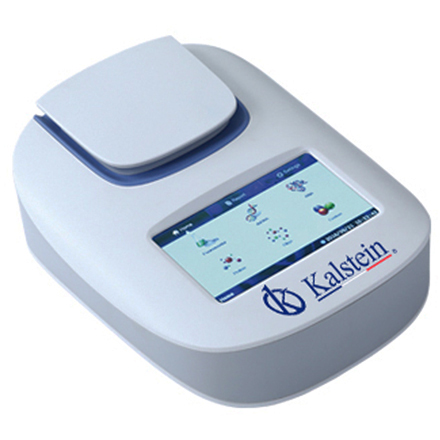
When it comes to laboratory equipment designed to analyze fluorescence, two prominent choices on the market are the Kalstein Fluorometer YR412-A and the Invitrogen Qubit 4 Fluorometer. Each of these devices comes with its distinct set of features, capabilities, and intended laboratory applications. Below, we’ll delve into a comparison to help you understand which one might be the right fit for your scientific needs.
The Fluorometer YR412-A from Kalstein boasts advanced features that cater to diverse laboratory requirements. With a sleek design, this model prioritizes precision and user-friendly operation. It is constructed to provide rapid and accurate fluorescence measurements, which are essential in many biochemical applications. Meanwhile, the Qubit 4 Fluorometer by Invitrogen also makes its mark as a reliable choice for scientists, known for its high sensitivity and intuitive interface aimed at providing accurate quantification of DNA, RNA, and protein samples.
| Feature | Kalstein YR412-A | Invitrogen Qubit 4 |
|---|---|---|
| Measurement Range | Wide Range | High Sensitivity |
| User Interface | User-Friendly | Intuitive Touch Screen |
| Portability | Portable Design | Compact Design |
| Price | Competitive Pricing | Moderate to High |
| Applications | Broad Biochemical Usage | DNA/RNA/Protein Quantification |
How They Work
The Kalstein Fluorometer YR412-A operates by measuring the intensity of emitted light from a sample. When a sample is exposed to light of a specific wavelength, it emits light at a different wavelength. The YR412-A is engineered to capture this emission with precision, allowing it to offer accurate quantifications and analysis across various applications.
Similarly, the Invitrogen Qubit 4 operates by utilizing fluorescent dyes specific to nucleic acids and proteins. Its quantification assays measure the fluorescence emitted, which correlates with the concentration of the biomolecule in the sample. The device’s efficient mapping makes it a specialist tool for those focusing heavily on DNA/RNA/protein analyses.
Applications
The Kalstein YR412-A is versatile and is used across a range of biochemical and molecular biology applications, including DNA/RNA quantification, protein analysis, and fluorescence labeling studies. It’s suitable for routine laboratory work and also specialized research activities.
The Qubit 4 Fluorometer by Invitrogen serves as a targeted solution for nucleic acid and protein quantification. Its user-centric assays are designed for high sensitivity, thus making it invaluable in genetic and protein studies where precise quantification is pivotal.
Types
Fluorometers come in various types tailored to specific needs: Handheld models fit for fieldwork, benchtop models f with robust features for extensive laboratory use, and specialized fluorometers for complex biochemical analysis. Each type has its strengths depending on the specific requirements of the test being conducted.
Market Price
Fluorometers, depending on their features and capability, can range significantly in cost. The Kalstein YR412-A offers competitive pricing, often making it an attractive choice for laboratories seeking cost-effective solutions without sacrificing quality. In contrast, the Invitrogen Qubit 4 falls into a mid-to-high price range, reflective of its specialized DNA/RNA/protein quantification capabilities.
Frequently Asked Questions
How easy is the Kalstein YR412-A to calibrate?
The YR412-A is designed for straightforward calibration, with clear guidelines provided for ensuring precise measurements.
Can the Invitrogen Qubit 4 handle non-standard samples?
While primarily designed for DNA/RNA/protein, some flexibility exists, although optimized results follow standard protocols.
What is the warranty period for these fluorometers?
Kalstein typically offers a comprehensive warranty period for the YR412-A. Invitrogen also supports warranties depending on purchase agreements.
Advantages and Disadvantages
Kalstein YR412-A Advantages: The YR412-A is praised for its versatility, affordability, and ease of use. Its wide application potential makes it highly adaptable to various laboratory setups.
Kalstein YR412-A Disadvantages: While offering broad capabilities, the specialized features may require some training for optimal use.
Invitrogen Qubit 4 Advantages: Known for its precision in nucleic acid quantification, high sensitivity, and user-friendly interface.
Invitrogen Qubit 4 Disadvantages: The cost can be a barrier for some, and its focused application scope might limit its use to specific scenarios.
Product Use in the Field
The Kalstein YR412-A is robust and reliable for field and laboratory use. It’s designed to withstand varying conditions and still deliver highly accurate results, making it a favorite among researchers with diverse needs.
In contrast, the Invitrogen Qubit 4 is typically used in controlled laboratory environments where precise DNA/RNA/protein quantification is the focus, due to its high sensitivity requirements.
Recommendations
To maximize the utility of the Kalstein YR412-A, regular maintenance and calibration are advised. It is versatile and perfect for varied roles, but ensure operators are well-versed with its features for best results.
For the Invitrogen Qubit 4, focusing on environments where specific quantifications are necessary will maximize its efficacy. Keep it maintained and updated with software to ensure the highest precision in measurements.
If you’re seeking a fusion of innovation and quality, you’ve come to the right place. At Kalstein, we offer an exclusive catalog of lab equipment. We manufacture each device with a level of excellence. Our intuitive and agile online purchasing channels are designed for your convenience, ensuring the most friendly prices. Don’t hesitate anymore; we bring science to life. It’s time to become part of our community. https://kalstein.iq/product/fluorometer-yr412-a/.