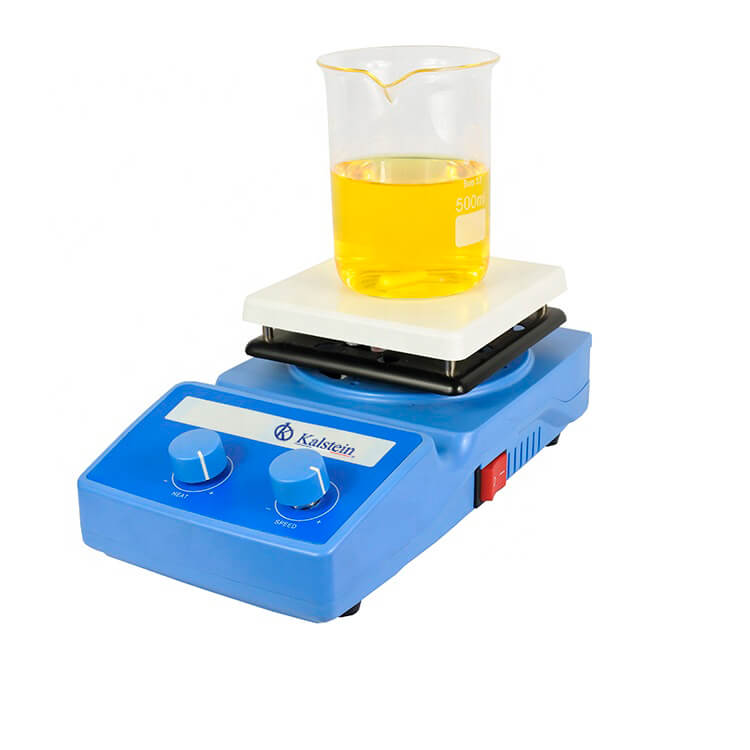
Analog Ceramic Top Hotplate Stirrer: Best Practices and Applications in 2026
What is it used for in 2026
The Analog Ceramic Top Hotplate Stirrer is widely utilized in laboratories for heating and mixing solutions in various chemical and biological experiments. Its primary applications include:
- Heating Solutions: Ideal for heating liquids to specific temperatures.
- Mixing Solutions: Facilitates thorough mixing of chemical compounds using magnetic stirrers.
- Avoiding Contamination: Can be used in sealed environments without the risk of contamination from external lubricants.
- Efficient Workflow: Enhances productivity by allowing simultaneous heating and stirring of multiple samples.
History and evolution of the technology
The technology of hotplate stirrers has evolved significantly since the first laboratory heating devices. Initially powered by simple electric coils, modern hotplate stirrers now utilize advanced PID (Proportional-Integral-Derivative) control systems for precise temperature management. The integration of ceramic tops has also enhanced durability and ease of cleaning compared to earlier materials.
How to use it step by step
- Setup: Place the hotplate stirrer on a stable, flat surface in a well-ventilated area.
- Connect: Plug the device into an appropriate power source.
- Prepare samples: Ensure that all samples are in compatible containers suitable for heating.
- Temperature Settings: Use the digital display to set the desired temperature and stirring speed.
- Monitor: Observe the process closely and adjust settings as necessary.
- Shut down: Turn off the device and unplug it after use. Allow it to cool before cleaning.
Best techniques and protocols
To achieve optimal results, follow these best practices:
- Use appropriate containers that can withstand high temperatures.
- Ensure that the stirrer bar is correctly positioned within the container.
- Regularly calibrate the device to maintain accuracy in temperature readings.
- Clean the ceramic surface after each use to prevent cross-contamination.
Practical applications by laboratory type
The versatility of Analog Ceramic Top Hotplate Stirrers makes them applicable in various laboratory settings:
- Chemical Laboratories: For synthesizing compounds and reactions requiring consistent heating and stirring.
- Biological Laboratories: Useful for preparing biological samples and media.
- Educational Institutions: Employed in teaching environments for demonstrating chemical principles.
- Quality Control Labs: Used in the analysis of product formulations and stability testing.
Regulations, standards and certifications
In 2026, compliance with laboratory equipment standards such as ISO 9001 and CE certification is crucial. Users must ensure that their hotplate stirrers meet these criteria for safety and reliability. Regular inspections and adherence to local regulations are also recommended to maintain laboratory standards.
Comparison with alternative technologies
While hotplate stirrers are prevalent, alternative technologies such as magnetic stirrers and oil baths exist. However, hotplate stirrers offer the dual capability of heating and stirring, providing a more efficient solution in many applications. Magnetic stirrers alone lack heating capabilities, while oil baths can pose contamination risks.
Comparison of available models
| Model | Best for | Key specs | Recommended use case |
|---|---|---|---|
| YR02933 | Basic heating and mixing | Price: $125.00 | Ideal for simple laboratory tasks. |
| YR02934 | Precision heating | Temperature range: Ambient to 380°C | Best for experiments requiring strict temperature control. |
| YR02935 | High-volume mixing | Power: 750W, Price: $190.00 | Recommended for larger batch experiments. |
| YR02936 | High-performance experiments | Power: 450W, Price: $265.00 | Suitable for advanced experimental setups. |
Common mistakes and how to avoid them
Laboratory professionals often encounter common issues when using hotplate stirrers:
- Overheating: Always monitor temperature settings to avoid overheating samples.
- Incorrect Stirrer Bar Size: Ensure that the stirrer bar size is appropriate for the container type.
- Lack of Calibration: Regularly calibrate the device to maintain accuracy.
- Improper Cleaning: Clean the ceramic surface after each use to prevent residue buildup.
Maintenance, calibration and good practices 2026
To ensure longevity and performance, follow these maintenance practices:
- Regularly inspect the power cord for any damage.
- Calibrate temperature settings at least once a month.
- Use a soft cloth to clean the ceramic surface after every use.
- Store in a cool, dry place when not in use.
Cost-benefit analysis 2026
Investing in Analog Ceramic Top Hotplate Stirrers offers significant benefits:
- Cost-Effective: Priced competitively, these units provide durability and low maintenance costs.
- Efficiency: Save time in laboratory processes through simultaneous heating and stirring.
- Versatility: Applicable in multiple lab settings, enhancing overall productivity.
Frequently asked questions
What factors should I consider when choosing a hotplate stirrer?
Consider the heating capacity, stirring speed, and size of the unit. It's also crucial to evaluate the specific needs of your experiments and the materials you'll be working with.
How do I maintain temperature accuracy with my hotplate stirrer?
Regularly calibrate the device and ensure that the ceramic surface is clean and free from residues that could affect performance.
Can I use any container with a hotplate stirrer?
Only use containers that are compatible with high temperatures and suitable for magnetic stirring to avoid damage and ensure effective mixing.
What are the common mistakes to avoid when using a hotplate stirrer?
Common mistakes include not monitoring temperature settings, using the wrong stirrer bar size, and neglecting regular cleaning and calibration.
How often should I clean my hotplate stirrer?
Your hotplate stirrer should be cleaned after each use to prevent contamination and ensure optimal performance in future experiments.
Where can I request a quote for a hotplate stirrer?
You can request a quote for a hotplate stirrer through our platform, where we provide detailed information on pricing and availability.
What models are available and which one should I choose?
There are several models available, each suited for different applications. Evaluate your specific needs based on the volume of samples and required temperature range to make an informed decision.
If you are looking for a fusion of innovation and quality, you have come to the right place. At Kalstein, we offer you the luxury of exploring our exclusive catalog of laboratory equipment. We manufacture every device to the highest standards of excellence. Our intuitive and seamless online purchasing channels are designed for your convenience, securing the most competitive prices. Hesitate no longer — we bring science to life, it is time to become part of our community.