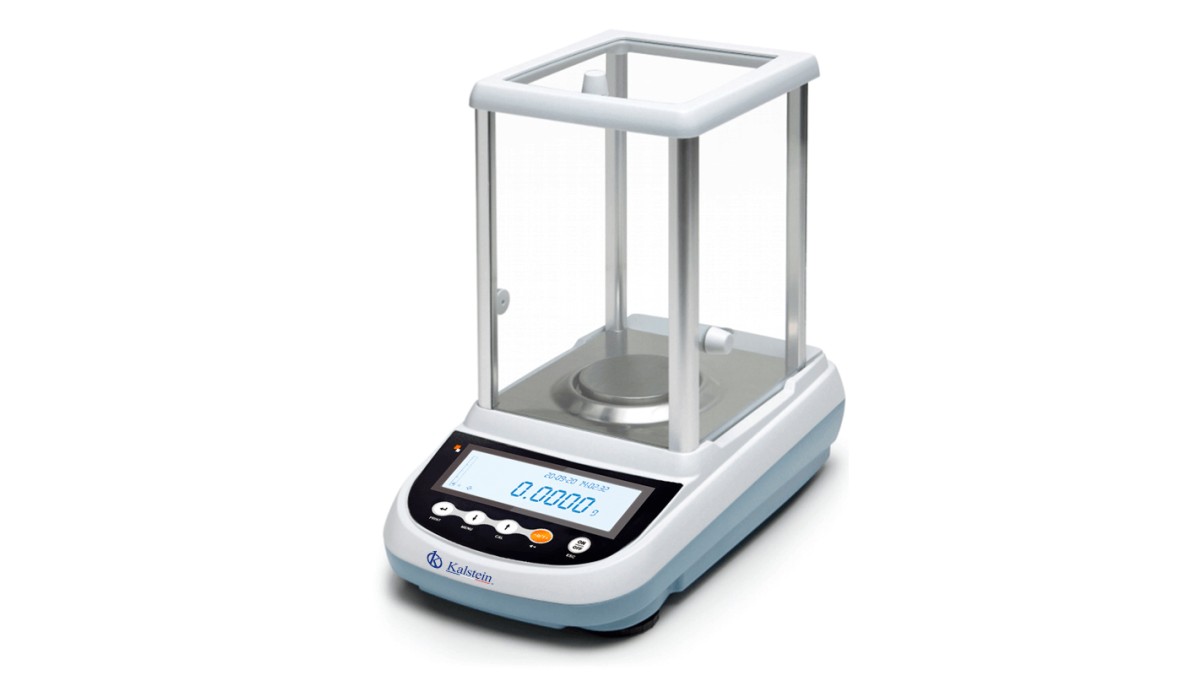
Analytical Balances: Applications in Research, Biotechnology and Academia 2026
Analytical balances are precision instruments used in laboratories for measuring mass with a high degree of accuracy. In the ever-evolving fields of research, biotechnology, and academia, these balances play a pivotal role in ensuring that experiments yield reliable results. This article provides a comprehensive overview of the applications, techniques, and best practices associated with analytical balances in the context of 2026.
What is it used for in 2026
In 2026, analytical balances are primarily utilized in various laboratory settings for their exceptional precision in measuring small masses, crucial for tasks ranging from chemical analyses to biological assays. They are essential in:
- Quantitative analysis: Used for preparing chemical solutions and reagents with precise concentrations.
- Formulation of products: Critical in pharmaceutical and food industries for ingredient measuring.
- Research and development: Important for experimental setups that require accurate mass measurements.
- Academic purposes: Used in educational institutions for teaching students about measurements and instrument calibration.
History and evolution of the technology
The evolution of analytical balances dates back to the early scientific endeavors where mass measurement was rudimentary. Over the centuries, advancements in technology have revolutionized these instruments. Initially, balances relied solely on mechanical systems, but the introduction of electronic components has enhanced their accuracy and ease of use.
From traditional beam balances to modern digital analytical balances, the journey has seen significant milestones such as:
- Introduction of electronic displays: This innovation provided clearer readings and reduced human error in interpretation.
- Automated internal calibration: Modern analytical balances like the YR05568 series have automated systems to recalibrate, ensuring ongoing accuracy.
- Enhanced environmental controls: Features such as draft shields and temperature stabilization have been integrated to improve measurement reliability.
How to use it step by step
Using an analytical balance effectively is crucial for obtaining accurate measurements. Here is a step-by-step guide:
- Preparation: Ensure the balance is placed on a stable surface free from vibrations.
- Calibration: Calibrate the balance using standard weights before starting measurements. Follow the manufacturer's instructions for internal calibration.
- Draft shield: Close the draft shield to prevent air currents from affecting the measurement.
- Sample placement: Use tweezers to place the sample in the center of the weighing pan to avoid contamination and to ensure precise readings.
- Measurement: Allow the reading to stabilize before recording the mass displayed on the screen.
- Cleaning: Clean the balance after each use to maintain its precision and longevity.
Best techniques and protocols
To ensure the best practices when using analytical balances, consider the following techniques and protocols:
- Minimize static interference: Use antistatic devices or ionizers if dealing with materials that generate static electricity.
- Regular calibration: Schedule frequent calibrations to maintain accuracy, especially in research settings.
- Environmental considerations: Maintain a consistent temperature and humidity level around the balance.
Practical applications by laboratory type
Different laboratories leverage analytical balances in unique ways:
- Chemical laboratories: For precise compound formulation and chemical analysis.
- Pharmaceutical labs: In drug formulation and quality control processes.
- Biotechnology labs: For measuring biological samples and reagents with high precision.
- Academic institutions: For instructional purposes and practical experiments in science classes.
Regulations, standards and certifications
Analytical balances must comply with various regulations and standards to ensure they are suitable for use in laboratories. Important standards include:
- ISO/IEC 17025: General requirements for the competence of testing and calibration laboratories.
- GLP (Good Laboratory Practice): Guidelines that ensure the quality and integrity of laboratory data.
- ASTM (American Society for Testing and Materials): Standards that outline testing procedures and specifications for instruments.
Comparison with alternative technologies
When choosing a measurement device, it's essential to understand how analytical balances compare with alternative technologies:
- Top-loading balances: Less precise than analytical balances, suitable for larger sample weights.
- Hydrostatic balances: Useful in specific contexts for liquid measurements but less versatile than analytical balances.
- Mass comparators: Used for high-precision measurements in metrology settings, but more complex and expensive.
Comparison of available models
| Model | Best for | Key specs | Recommended use case |
|---|---|---|---|
| YR05568 | High stability measurements | Capacity: 220g, Resolution: 0.1mg | Precision chemical analyses |
| YR05569 | High precision analysis | Capacity: 310g, Resolution: 0.1mg | Formulation in pharmaceutical labs |
| YR05570 | Versatile applications | Capacity: 410g, Resolution: 0.1mg | Academic experiments and research |
| YR05571 | High capacity needs | Capacity: 510g, Resolution: 0.1mg | Large sample measurements |
| YR05572 | Maximized precision | Capacity: 610g, Resolution: 0.1mg | Complex chemical formulations |
| YR05573 | General laboratory use | Capacity: 100g, Resolution: 0.0001g | Routine measurements and educational purposes |
Common mistakes and how to avoid them
To maximize the effectiveness of analytical balances, avoid these common mistakes:
- Not calibrating regularly: Failing to calibrate can lead to inaccurate results.
- Ignoring environmental conditions: Extreme temperatures and drafts can skew the measurements.
- Improper handling: Using hands to place samples directly can introduce oils and residues.
Maintenance, calibration and good practices 2026
Proper maintenance is vital for the longevity and accuracy of analytical balances. Recommended practices include:
- Scheduled maintenance: Regular checks by qualified personnel to ensure all components are functioning correctly.
- Calibration: Utilize standard weights for calibration at least once a month or as per the operational guidelines.
- Cleanliness: Keep the balance and surrounding area clean to avoid contamination.
Cost-benefit analysis 2026
Investing in an analytical balance can yield significant benefits:
- Cost savings: Accurate measurements reduce material waste and enhance the consistency of product formulations.
- Time efficiency: Faster and more reliable measurements streamline laboratory workflows.
- Quality assurance: Improved accuracy leads to better quality control and compliance with regulations.
Frequently asked questions
What factors should I consider when choosing an analytical balance?
Consider the balance's capacity, resolution, internal calibration features, and environmental control options to ensure it suits your laboratory's needs.
How often should I calibrate my analytical balance?
Regular calibration is recommended at least once a month, and more frequently in high-use settings or when environmental conditions change.
What is the ideal placement for an analytical balance in a laboratory?
Place the balance on a stable, vibration-free surface away from drafts, direct sunlight, and temperature fluctuations to ensure accurate measurements.
Can I use an analytical balance for measuring liquids?
While analytical balances can measure the weight of liquids in containers, they are primarily designed for solid samples. Use appropriate vessels to minimize spillage and contamination.
How can I prevent static electricity from affecting my measurements?
Utilize antistatic devices or ionizers to eliminate static charges that could interfere with the measurements, especially when working with powdered or small samples.
Are there any specific maintenance practices I should follow?
Regularly clean the balance, ensure it is calibrated, and conduct scheduled checks to verify that all components are functioning correctly.
If you are looking for a fusion of innovation and quality, you have come to the right place. At Kalstein, we offer you the luxury of exploring our exclusive catalog of laboratory equipment. We manufacture every device to the highest standards of excellence. Our intuitive and seamless online purchasing channels are designed for your convenience, securing the most competitive prices. Hesitate no longer — we bring science to life, it is time to become part of our community.