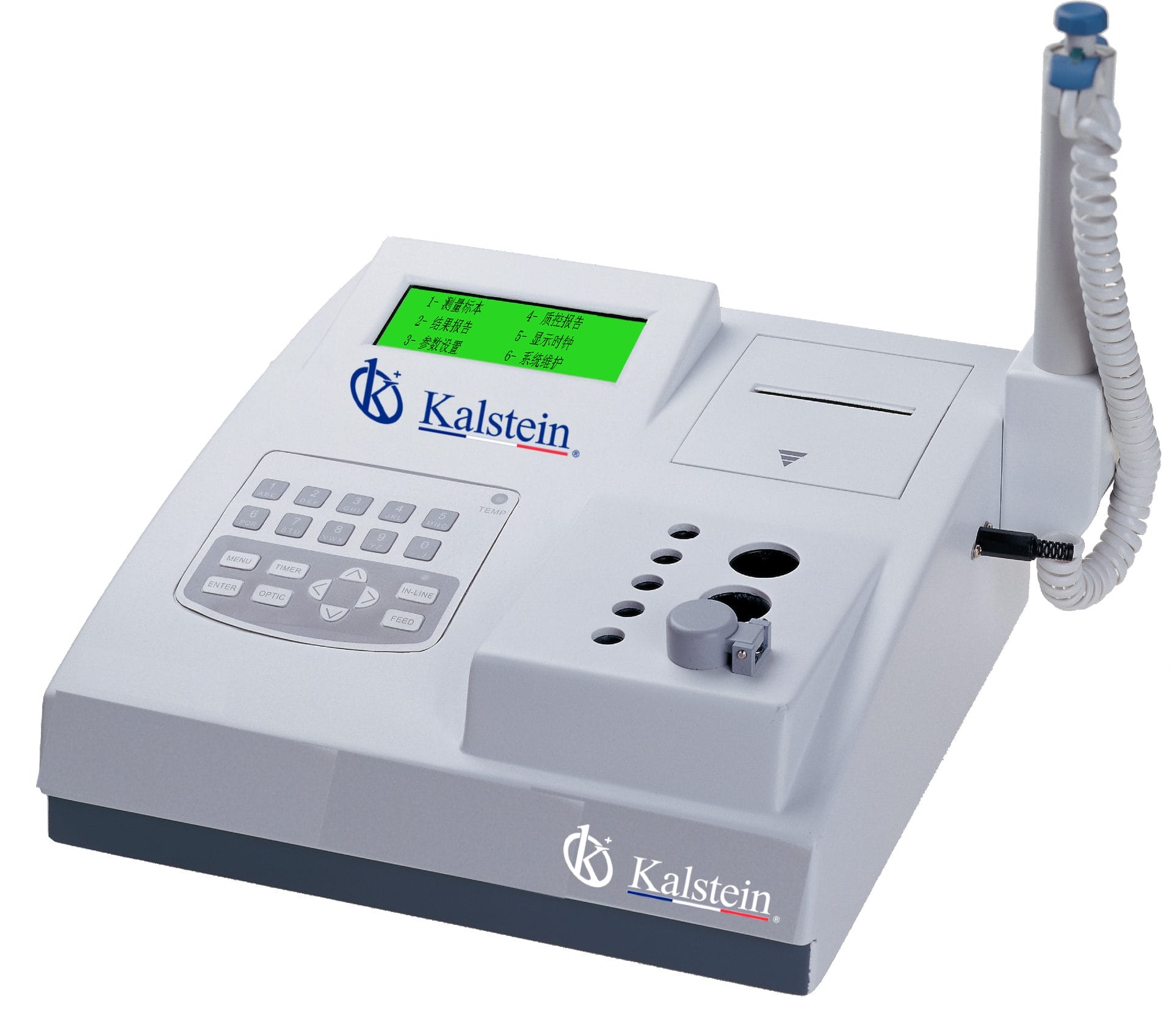
Coagulation Analyzers: Best Techniques and Protocols in 2026
What is it used for in 2026
Coagulation analyzers are specialized devices used in laboratories to assess blood coagulation. They play a crucial role in diagnosing bleeding disorders, monitoring anticoagulant therapy, and performing routine coagulation tests such as Prothrombin Time (PT) and Activated Partial Thromboplastin Time (APTT). In 2026, these analyzers have become increasingly sophisticated, enabling healthcare professionals to deliver precise and rapid results, crucial for patient management.
History and evolution of the technology
The history of coagulation testing dates back to the early 20th century, with the introduction of basic manual techniques. Over the decades, advancements in technology have driven the development of more automated systems. By the early 2000s, the first fully automated coagulation analyzers emerged, significantly improving testing efficiency and accuracy. The ongoing refinement of optical technologies and software algorithms has further enhanced these devices, making them integral to modern laboratories.
How to use it step by step
Using a coagulation analyzer involves several key steps:
- Preparation: Ensure the device is calibrated according to the manufacturer's instructions and check reagent levels.
- Sample Collection: Collect the blood sample in a citrated tube to prevent clotting.
- Sample Loading: Load the sample into the analyzer, ensuring proper positioning for accurate measurement.
- Running Tests: Select the desired tests from the analyzer’s interface, such as PT or APTT.
- Result Analysis: Once the tests are complete, review the results displayed on the analyzer’s screen.
- Documentation: Print or electronically save the results in the laboratory information system for record-keeping.
Best techniques and protocols
Best practices in using coagulation analyzers involve adhering to standardized protocols:
- Always use fresh reagents to ensure reliability.
- Perform regular quality control checks using control samples.
- Maintain a clean environment around the analyzer to avoid contamination.
- Follow manufacturer guidelines for maintenance and calibration.
Practical applications by laboratory type
Coagulation analyzers find applications in various laboratory settings, including:
- Clinical Laboratories: Routine coagulation testing for patient management.
- Research Laboratories: Studies on coagulation pathways and drug interactions.
- Blood Banks: Ensuring the safety of blood products through coagulation testing.
Regulations, standards and certifications
In 2026, coagulation analyzers must comply with stringent regulations and standards, including:
- ISO 13485 for medical device quality management.
- CLIA regulations for laboratory testing accuracy.
- FDA approvals for new devices entering the market.
Comparison with alternative technologies
While coagulation analyzers are essential, alternative technologies such as point-of-care testing devices are gaining traction due to their convenience. However, these alternatives often trade off some accuracy for speed. Traditional manual methods are still in use but are less efficient than automated systems.
Comparison of available models
| Model | Best for | Key specs | Recommended use case |
|---|---|---|---|
| YR05117 | Routine coagulation tests | Weight: 5 kg, Price: $750.00 | Clinical laboratories with moderate testing volume |
| YR05118 | Expanded testing capabilities | Weight: 5 kg, Price: $600.00 | Clinical laboratories looking for a compact option |
| YR06083 | High-throughput testing | Weight: 110 kg, Price: $13000.00 | Large clinical laboratories with high volume needs |
| YR06082 | Automated testing solutions | Weight: 53 kg, Price: $6800.00 | Clinical settings requiring precision and efficiency |
Common mistakes and how to avoid them
Common pitfalls when using coagulation analyzers include:
- Neglecting regular maintenance can lead to inaccurate results.
- Using expired reagents compromises test integrity.
- Failing to calibrate the device regularly can cause variability in results.
To avoid these mistakes, establish a routine maintenance schedule, verify reagent expiration dates, and perform calibration checks frequently.
Maintenance, calibration and good practices 2026
In 2026, maintaining a coagulation analyzer involves:
- Conducting daily cleaning and maintenance as per the manufacturer’s guidelines.
- Scheduling regular calibration using certified calibration standards.
- Implementing a bi-annual full service check by a qualified technician.
Cost-benefit analysis 2026
The cost of coagulation analyzers varies significantly based on features and throughput capabilities. While initial investments may seem high, the long-term savings from improved accuracy, reduced manual labor, and faster turnaround times often justify the cost. Additionally, the ability to expand testing capabilities can lead to increased revenue for laboratories.
Frequently asked questions
What types of tests can be performed using coagulation analyzers?
Coagulation analyzers can perform various tests, including Prothrombin Time (PT), Activated Partial Thromboplastin Time (APTT), and fibrinogen analysis. Some models also allow for specific factor assays.
How often should coagulation analyzers be calibrated?
Calibration frequency can vary, but it is generally recommended to calibrate coagulation analyzers at least once a day or before high-stakes testing. Regular checks should also be performed after reagent changes.
What are the key indicators of a malfunctioning coagulation analyzer?
Signs of malfunction may include inconsistent results, error messages on the display, or mechanical issues such as improper sample loading. Regular maintenance checks can help identify these problems early.
Can coagulation analyzers be used for point-of-care testing?
While most coagulation analyzers are designed for laboratory use, some models are suitable for point-of-care testing, offering rapid results in a compact format.
What training is needed to operate a coagulation analyzer?
Operators should receive training on the specific model being used, including understanding the user interface, sample handling, and quality control procedures. Regular refreshers on protocols are also beneficial.
How can I choose the right coagulation analyzer for my laboratory?
Consider factors such as testing volume, types of tests required, budget constraints, and available space when selecting a coagulation analyzer. Evaluate the features of different models to find the best fit for your laboratory's needs.
Where can I request a quote for coagulation analyzers?
You can request a quote for coagulation analyzers by contacting our sales team or visiting our online platform, where you can explore our range of products and pricing options.
If you are looking for a fusion of innovation and quality, you have come to the right place. At Kalstein, we offer you the luxury of exploring our exclusive catalog of laboratory equipment. We manufacture every device to the highest standards of excellence. Our intuitive and seamless online purchasing channels are designed for your convenience, securing the most competitive prices. Hesitate no longer — we bring science to life, it is time to become part of our community.