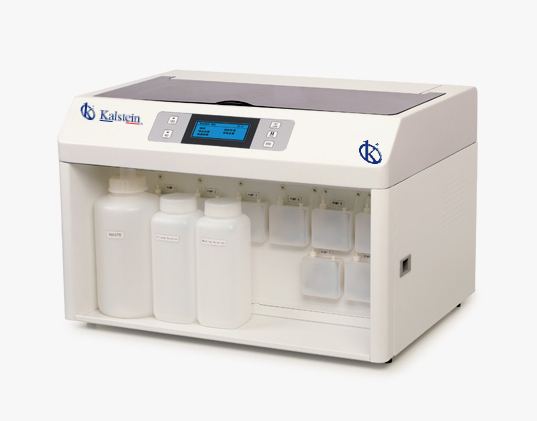
Food Safety Analyzers: Best Techniques and Protocols 2026
What is it used for in 2026
Food Safety Analyzers are essential tools in the laboratory for testing food products for contaminants such as pesticides, antibiotics, and other organic pollutants. In 2026, these analyzers are equipped with advanced technology that allows for rapid analysis, high throughput, and improved accuracy, making them indispensable for both laboratory and field testing.
History and evolution of the technology
The technology behind Food Safety Analyzers has evolved significantly over the years. Initially, food safety testing relied heavily on manual methods that were time-consuming and often inaccurate. The introduction of automated systems such as the YR06090 and YR06089 has transformed the landscape, allowing for more reliable testing processes that can handle a larger volume of samples with reduced human error.
How to use it step by step
Using Food Safety Analyzers involves several key steps:
- Preparation: Ensure the analyzer is calibrated and ready for use according to the manufacturer's instructions.
- Sample Collection: Gather food samples as per the required standards, ensuring to follow correct protocols for sample size and storage.
- Testing: Load the samples onto the analyzer, selecting the appropriate settings for the specific test being conducted. For instance, use the YR06090 for immunology tests.
- Data Analysis: Once testing is complete, analyze the results using the software provided with the analyzer. Review for accuracy and consistency.
- Documentation: Record the results systematically, following laboratory protocols for data management.
Best techniques and protocols
In 2026, the best techniques for using Food Safety Analyzers include:
- Routine calibration to ensure accuracy.
- Using control samples alongside tests to validate results.
- Employing multiple testing methods (e.g., combining YR06089 and YR06093 for comprehensive analysis).
- Regular maintenance checks to prolong the lifespan of the equipment.
Practical applications by laboratory type
Food Safety Analyzers are utilized in various laboratory types:
- Quality Control Labs: To ensure products meet safety standards before reaching consumers.
- Research Institutions: For studying the effects of contaminants on food safety.
- Field Testing: In agriculture, for rapid on-site analysis of food samples.
Regulations, standards and certifications
Food Safety Analyzers must comply with various regulations and standards such as ISO 17025 for testing and calibration laboratories, along with specific food safety standards set by agencies like the FDA and EFSA. Ensuring that equipment meets these standards is crucial for laboratory accreditation and consumer safety.
Comparison with alternative technologies
While alternative technologies such as traditional spectrophotometers can be used for food safety testing, Food Safety Analyzers offer superior speed and accuracy. They incorporate automation, which reduces human error and increases throughput, providing a distinct advantage over manual methods.
Comparison of available models
| Model | Best for | Key specs | Recommended use case |
|---|---|---|---|
| YR06090 | High-volume immunology testing | Processes up to 40 strips, 6 dispensing channels | Clinical labs with high testing demand |
| YR06089 | Multi-sample food safety testing | 96 tests on a single plate, absorbance range 0-4,500 | Quality control in food production |
| YR06093 | Incubation and shaking for assays | 25-60°C temperature range, compatible with ELISA | Research labs requiring precise incubation |
Common mistakes and how to avoid them
Common mistakes in using Food Safety Analyzers include:
- Improper calibration leading to inaccurate results. Ensure regular checks.
- Neglecting to use control samples, which can validate test results.
- Overloading the analyzer beyond its capacity, which can cause malfunction.
Maintenance, calibration and good practices 2026
Regular maintenance of Food Safety Analyzers is essential. This includes:
- Routine calibration as per the manufacturer’s guidelines.
- Cleaning the components to prevent contamination.
- Keeping software updated for optimal performance.
Cost-benefit analysis 2026
Investing in Food Safety Analyzers is financially beneficial in the long run. They reduce labor costs by automating processes, enhance accuracy, and minimize the risk of product recalls due to safety violations. Considering the initial investment versus long-term savings, these analyzers provide significant value to laboratories.
Frequently asked questions
What should I consider when choosing a Food Safety Analyzer?
Consider the volume of tests you need to perform, the types of contaminants you will be testing for, and whether you need capabilities for both lab and field testing. Also, evaluate the analyzer's throughput and ease of use.
How often should I calibrate my Food Safety Analyzer?
Calibration frequency depends on the analyzer's usage and manufacturer recommendations. Typically, it should be done before significant testing periods and after any maintenance.
Can multiple types of tests be done with a single analyzer?
Yes, many Food Safety Analyzers, like the YR06089, allow for multiple assays on a single plate, making them versatile for various food safety tests.
What are the best practices for maintaining my analyzer?
Regularly clean all components, perform calibration checks, and ensure that the software is up to date. Keeping a maintenance log can help track care over time.
How can I ensure my results are accurate?
Utilize control samples, regularly calibrate your equipment, and follow established protocols meticulously to enhance the accuracy of your results.
What are the advantages of automated Food Safety Analyzers over manual methods?
Automated analyzers enhance throughput, reduce human error, and provide faster results, all of which are critical for maintaining food safety standards.
If you are looking for a fusion of innovation and quality, you have come to the right place. At Kalstein, we offer you the luxury of exploring our exclusive catalog of laboratory equipment. We manufacture every device to the highest standards of excellence. Our intuitive and seamless online purchasing channels are designed for your convenience, securing the most competitive prices. Hesitate no longer — we bring science to life, it is time to become part of our community.