Veterinary Surgical Tools: A Step-by-Step Practical Guide in 2026
What is it used for in 2026
Veterinary surgical tools are essential in animal healthcare, facilitating a range of surgical procedures across various species. In 2026, these tools have evolved to support complex surgeries including joint surgeries, orthopedic repairs, and intricate cardiac procedures. The advancements in technology allow for greater precision, enhanced safety and improved patient outcomes, making these tools indispensable in veterinary practices.
History and evolution of the technology
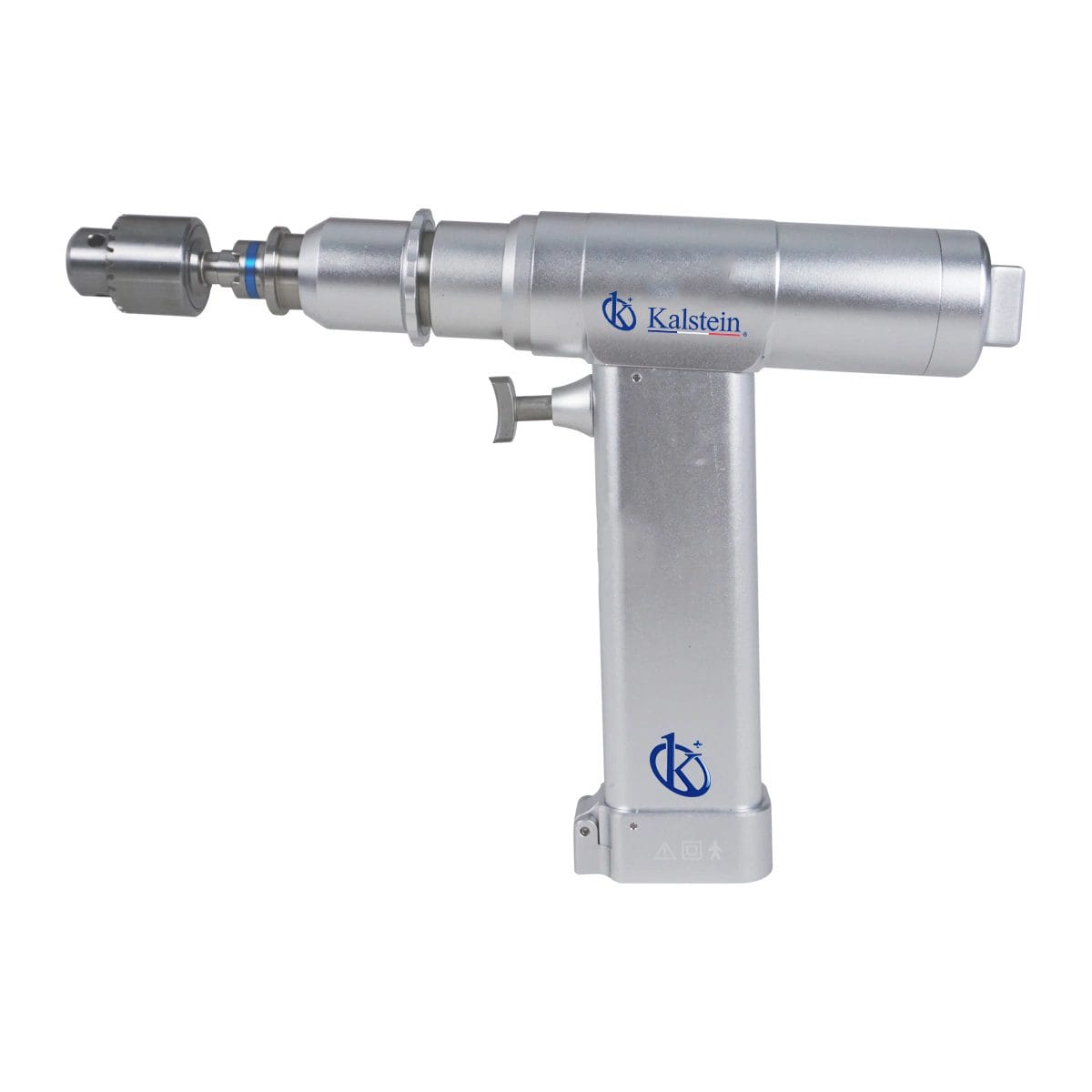
Veterinary surgical tools have undergone significant advancements over the decades. The early tools were rudimentary, made from basic metals and designed for simple procedures. With the advent of technology, tools have become more sophisticated, incorporating features that enhance functionality and ergonomics. The introduction of electric multifunction tools, like the YR06126, has revolutionized the way surgeries are performed by providing versatility and ease of use. Today, tools are designed not only for efficiency but also for safety, ensuring minimal trauma to the animals.
How to use it step by step
The effective use of veterinary surgical tools involves several key steps:
- Preparation: Ensure all tools are sterilized and ready for use. Create a sterile environment to prevent infections.
- Selection of Tools: Choose the appropriate surgical tools based on the procedure. For instance, the YR06126 is ideal for complex surgeries while the YR06127 is suitable for smaller animals.
- Understanding the Procedure: Familiarize yourself with the surgical procedure to be performed. This ensures that the correct tools are used at the right time.
- Execution: Use the tools according to their designed purpose. For instance, the YR06128 TPLO saw is specifically used for knee stabilization surgeries.
- Post-operative Care: After the surgery, ensure tools are cleaned and sterilized again, and monitor the animal for recovery.
Best techniques and protocols
To maximize the efficacy and safety of veterinary surgical procedures, it is essential to follow best practices:
- Always adhere to sterilization protocols to minimize infection risks.
- Use tools designed for specific procedures to obtain the best results.
- Regularly train staff on the latest techniques and equipment to ensure proficiency.
- Document all procedures to track outcomes and improve future practices.
Practical applications by laboratory type
Veterinary surgical tools are utilized in various types of veterinary practices, including:
- Animal Hospitals: For routine surgeries such as spaying, neutering, and orthopedic repairs.
- Research Facilities: Used in experimental surgeries on animal models for medical research.
- Mobile Clinics: Equip traveling veterinary services with essential tools for on-the-go surgeries.
Regulations, standards and certifications
In 2026, the veterinary surgical tools industry is regulated by stringent standards to ensure safety and efficacy. Tools must comply with national and international regulations, which include:
- ISO certifications for quality management systems.
- Local veterinary board regulations for practice standards.
- CE marking for tools sold in the European market ensuring compliance with health and safety requirements.
Comparison with alternative technologies
While there are various surgical technologies available, veterinary surgical tools stand out due to their specific design for animal care. Compared to traditional hand tools, electric tools like the YR06126 provide:
- Greater precision in surgical cuts.
- Reduced operation time due to efficiency.
- Less physical strain on the surgeon, thanks to ergonomic designs.
Comparison of available models
| Model | Best for | Key specs | Recommended use case |
|---|---|---|---|
| YR06126 | Complex surgeries | Power: ≥ 130W, Voltage: 14.4V | Joint and cardiac surgeries |
| YR06127 | Small animal surgeries | Power: ≥50W, Voltage: 7.2V | Various minor surgical procedures |
| YR06128 | TPLO surgeries | Power: 12V, Frequency: 0-16000 Hz | Knee stabilization surgeries |
Common mistakes and how to avoid them
Veterinary professionals often encounter common pitfalls when using surgical tools. These include:
- Improper sterilization: Always follow sterilization protocols to prevent infection.
- Using the wrong tool: Ensure the selected tool is appropriate for the procedure to avoid complications.
- Neglecting maintenance: Regularly check and maintain tools to ensure they operate effectively.
Maintenance, calibration and good practices 2026
To ensure longevity and performance, veterinary surgical tools require regular maintenance:
- Clean tools after each use and sterilize them according to protocols.
- Inspect tools for wear and tear, recalibrating as necessary to maintain precision.
- Store tools in a safe and organized manner to prevent damage.
Cost-benefit analysis 2026
Investing in veterinary surgical tools can be significant, but the benefits outweigh the costs. Factors to consider include:
- Enhanced surgical outcomes lead to higher client satisfaction and repeat business.
- Time saved during procedures translates to increased capacity for more patients.
- Quality tools reduce complications, which can decrease the overall cost of care.
Frequently asked questions
What should I consider when choosing veterinary surgical tools?
When selecting surgical tools, consider the type of procedures you perform, the size and species of the animals, and the specific features that enhance ease of use and precision.
How often should surgical tools be maintained?
Tools should be cleaned and sterilized after each use. Additionally, a thorough inspection and maintenance should be performed regularly, ideally after every 10 uses or monthly.
Can I use one tool for multiple types of surgeries?
While some tools are multifunctional, it is advisable to use tools suited specifically for each type of surgery to ensure the best outcomes.
Are electric surgical tools worth the investment?
Yes, electric surgical tools often provide greater precision, efficiency, and lower risk of physical strain during procedures, making them a worthwhile investment for veterinary practices.
What are the best practices for post-operative care using surgical tools?
Post-operative care should include monitoring the patient for any signs of distress, ensuring the surgical site is clean, and following up with the owner about recovery procedures.
Where can I find the latest veterinary surgical tools?
For the latest in veterinary surgical tools, consider requesting a quote through trusted manufacturers and suppliers that specialize in veterinary equipment.
If you are looking for a fusion of innovation and quality, you have come to the right place. At Kalstein, we offer you the luxury of exploring our exclusive catalog of laboratory equipment. We manufacture every device to the highest standards of excellence. Our intuitive and seamless online purchasing channels are designed for your convenience, securing the most competitive prices. Hesitate no longer — we bring science to life, it is time to become part of our community.