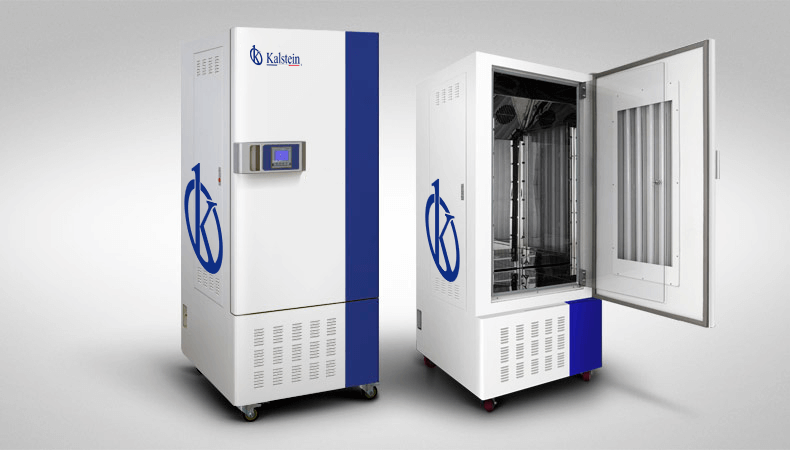
Artificial Climate Chamber: Step-by-Step Usage Guide 2026
What is it used for in 2026
The Artificial Climate Chamber is a crucial tool used in various laboratory settings. It simulates environmental conditions by controlling parameters such as temperature, humidity, and light. This allows for precise experiments related to biological tissues, cell cultures, plant growth, and the behavior of small animals and insects. In 2026, its applications are expanding, especially in fields like agriculture, biotechnology, and environmental studies.
History and evolution of the technology
The concept of climate simulation chambers began in the mid-20th century when researchers required controlled environments to conduct delicate experiments. Over the years, advancements in technology have introduced more sophisticated control systems, enhanced energy efficiency, and automatic defrost features. Today's models, such as the Climate Simulation Cameras YR05347, YR05348, and YR05349, incorporate microprocessor PID controllers for better accuracy and reliability, making them integral to modern laboratories.
How to use it step by step
Using an Artificial Climate Chamber involves several key steps:
- Setup: Ensure the chamber is placed in a stable environment, away from direct sunlight and heat sources.
- Temperature and Humidity Settings: Input the desired temperature and humidity levels based on your experimental requirements.
- Light Configuration: Adjust the lighting settings to simulate day and night conditions if applicable to your study.
- Load Samples: Carefully place your samples or cultures inside the chamber, ensuring proper spacing for air circulation.
- Monitoring: Continuously monitor the parameters using the built-in display or software interface to ensure they remain stable.
- Data Collection: Record data as needed throughout the experiment, allowing for analysis during and after the process.
- Post-Experiment Cleanup: After completing your experiments, clean the chamber according to the manufacturer's guidelines.
Best techniques and protocols
To maximize the efficiency of your experiments using an Artificial Climate Chamber, consider the following protocols:
- Regularly calibrate the chamber to maintain accuracy in measurements.
- Employ standard operating procedures (SOPs) specific to your research goals.
- Document all settings and results meticulously for reproducibility.
- Use control groups to validate the outcomes of your experiments.
- Conduct preliminary tests to fine-tune the environmental conditions before full-scale experiments.
Practical applications by laboratory type
Artificial Climate Chambers are utilized in various laboratory types:
- Biological Research Laboratories: For studying cell growth and behavior under controlled conditions.
- Agricultural Research Facilities: To optimize plant growth and test agricultural innovations.
- Environmental Testing Labs: For simulating climate change effects on various biological systems.
- Pharmaceutical Labs: To create specific conditions for drug stability testing and biological assays.
Regulations, standards and certifications
In 2026, laboratories employing Artificial Climate Chambers must adhere to various regulations and standards, including:
- ISO 9001: Quality Management Systems
- ISO 17025: Testing and Calibration Laboratories
- Health and safety regulations concerning equipment operation and sample handling.
Comparison with alternative technologies
Artificial Climate Chambers differ from other technologies such as incubators and environmental test chambers. While incubators are primarily designed for maintaining constant temperatures for cell cultures, climate chambers offer a broader range of control over multiple environmental factors, making them suitable for more complex experiments.
Comparison of available models
| Model | Best for | Key specs | Recommended use case |
|---|---|---|---|
| YR05347 | Long-term cultural experiments | Temperature: 10~65 °C, Humidity: 50~90% HR, Price: $2745.00 | Biological tissue and plant growth studies. |
| YR05348 | Cell culture optimization | Temperature: 10~65 °C, Humidity: 50~90% HR, Price: $3060.00 | Advanced cell culture experiments. |
| YR05349 | Insect and small animal feeding | Temperature: 10~65 °C, Humidity: 50~90% HR, Price: $3420.00 | Studies involving small animals and insects. |
Common mistakes and how to avoid them
Common mistakes include:
- Incorrect calibration: Regularly check and adjust the calibration for accuracy.
- Poor sample placement: Ensure proper spacing within the chamber to allow for airflow.
- Neglecting maintenance: Follow a strict maintenance schedule to avoid equipment failures.
Maintenance, calibration and good practices 2026
To ensure optimal performance of an Artificial Climate Chamber:
- Perform routine maintenance checks every six months.
- Calibrate temperature and humidity sensors regularly.
- Keep a record of all maintenance and calibration activities for compliance purposes.
- Train all personnel on proper usage and emergency procedures.
Cost-benefit analysis 2026
The investment in an Artificial Climate Chamber can be justified through its capabilities to enhance experimental accuracy and reliability. The initial costs can range from $2745.00 to $3420.00, depending on the model chosen. However, the potential for superior research outcomes and the ability to conduct complex experiments can lead to significant long-term benefits.
Frequently asked questions
What should I consider when choosing an Artificial Climate Chamber?
Consider factors such as temperature range, humidity control, energy efficiency, and the specific requirements of your experiments. Choosing a model that offers the best specifications for your needs is crucial.
How do I maintain optimal conditions in the chamber?
Regularly monitor conditions and calibrate sensors. Keep the chamber clean and ensure that it is not overloaded with samples.
Can I use the chamber for both plants and small animals?
Yes, but it’s essential to ensure the conditions are suitable for both. Different species may require different humidity and light levels.
How often should I calibrate the equipment?
Calibration should be performed at least every six months or whenever you notice discrepancies in measurements.
What are the energy consumption levels of these chambers?
Energy consumption varies by model, but most are designed to be energy-efficient. Refer to the specifications of each model for detailed information.
How can I ensure reproducibility in my experiments?
Document all settings, conditions, and procedures meticulously. Using control samples can also help validate your results.
How can I request a quote for a Climate Chamber?
You can request a quote through the appropriate channels to ensure you get the best pricing and options for your laboratory's needs.
If you are looking for a fusion of innovation and quality, you have come to the right place. At Kalstein, we offer you the luxury of exploring our exclusive catalog of laboratory equipment. We manufacture every device to the highest standards of excellence. Our intuitive and seamless online purchasing channels are designed for your convenience, securing the most competitive prices. Hesitate no longer — we bring science to life, it is time to become part of our community.