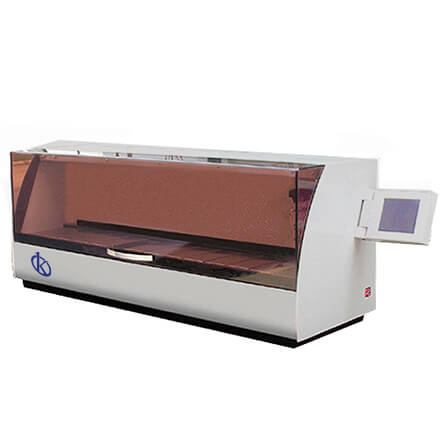
Automatic Slide Stainers: Applications in Research, Biotechnology, and Academia 2026
Automatic slide stainers have become vital in laboratory settings, particularly in research, biotechnology, and academic institutions. These devices streamline the staining process, providing consistent and high-quality results across various applications. In this article, we delve into their uses, history, best practices, and comparisons among available models to help laboratory professionals make informed decisions.
What is it used for in 2026
In 2026, automatic slide stainers are primarily used for:
- Histology and Pathology: Essential for preparing tissue samples for microscopic examination.
- Cytology: Used for staining cellular samples to identify diseases.
- Immunohistochemistry: Facilitates the coloring of proteins in tissues, aiding in disease diagnosis and research.
- Education: Employed in academic settings to teach students about sample preparation and microscopy techniques.
History and evolution of the technology
The evolution of slide staining technology has been significant over the years. Initially, staining was a manual process requiring considerable time and expertise. The advent of automatic slide stainers has revolutionized this field by introducing:
- Automation: Reducing human error and variability in results.
- Standardization: Ensuring consistent staining protocols across different samples.
- Efficiency: Allowing higher throughput and faster processing times.
How to use it step by step
Using an automatic slide stainer involves several key steps:
- Preparation: Ensure all reagents and slides are ready and accessible.
- Loading: Place slides into the designated holders according to the model’s guidelines.
- Setting Parameters: Adjust the time and temperature settings as required for the specific staining protocol.
- Running the Cycle: Start the staining process and monitor the machine as it automates the steps.
- Unloading: Once the cycle is complete, safely remove the slides for drying or further analysis.
Best techniques and protocols
To achieve optimal results with automatic slide stainers, consider the following techniques and protocols:
- Follow Manufacturer Guidelines: Always adhere to the protocols provided by the manufacturer for specific reagents and timings.
- Use High-Quality Reagents: Select reagents that are compatible with your stainer to enhance staining quality.
- Regular Calibration: Periodically calibrate the machine to maintain accuracy in staining processes.
Practical applications by laboratory type
Different laboratories utilize automatic slide stainers in diverse ways:
- Research Laboratories: For standardized sample preparation in various experiments.
- Clinical Pathology Labs: For routine analysis of tissue samples to diagnose diseases.
- Educational Institutions: For teaching students about histological techniques and microscopy.
Regulations, standards and certifications
Automatic slide stainers must comply with various regulations and standards:
- ISO Certifications: Many manufacturers adhere to ISO standards for quality management systems.
- FDA Regulations: In the U.S., devices must meet FDA requirements for medical devices.
Comparison with alternative technologies
Alternative technologies to automatic slide stainers include:
- Manual Staining: More labor-intensive and prone to variability.
- Robotic Staining Systems: More complex and costly but may offer enhanced capabilities for large-scale operations.
Comparison of available models
| Model | Best for | Key specs | Recommended use case |
|---|---|---|---|
| YR435 | General staining | Processing cups: 14, Capacity: 1500ml, Dimensions: 1180 × 420 × 470 mm | Ideal for laboratories requiring high throughput. |
| YR435-1 | Specialized staining | Staining capacity: 400 slides/hour, Dimensions: 1050 mm × 615 mm × 590 mm | Best suited for labs performing numerous specialized staining tasks. |
| YR436-1 | Compact applications | Number of tanks: 15, Capacity: 350ml each, Dimensions: 925 × 250 × 260 mm | Perfect for small labs or tight spaces needing reliable performance. |
Common mistakes and how to avoid them
To ensure optimal performance from automatic slide stainers, avoid these common mistakes:
- Skipping Calibration: Regular calibration is essential for consistent results.
- Improper Loading: Ensure slides are loaded correctly to avoid staining errors.
- Ignoring Maintenance: Follow maintenance schedules to prolong the life of your equipment.
Maintenance, calibration and good practices 2026
Best practices for maintaining automatic slide stainers include:
- Regular Cleaning: Clean the machine after each use to prevent contamination.
- Calibration Checks: Conduct calibration checks frequently to ensure accuracy.
- Follow Manufacturer Guidelines: Always adhere to the maintenance recommendations provided.
Cost-benefit analysis 2026
When considering an automatic slide stainer, evaluate the cost against its benefits:
- Initial Investment: Consider the purchase price and ongoing costs for reagents and maintenance.
- Productivity Gains: Analyze how the device will increase efficiency and throughput in your lab.
- Quality Consistency: Factor in the improved accuracy and consistency of staining results.
Frequently asked questions
How do I choose the right automatic slide stainer for my lab?
When selecting an automatic slide stainer, consider the volume of slides you process, the types of stains you use, and the available space in your lab.
What are the advantages of using an automatic slide stainer?
Automatic slide stainers provide consistent results, reduce hands-on time, and minimize variability, leading to improved reliability in laboratory results.
How often should I perform maintenance on my slide stainer?
Regular maintenance should be performed according to the manufacturer's recommendations, typically after every batch of slides or daily, depending on the usage.
Can I use different staining protocols on the same machine?
Yes, many automatic slide stainers allow for multiple programming options, enabling you to switch between different protocols as needed.
What should I do if I encounter staining issues?
If staining issues arise, check the reagents, loading procedures, and calibration settings to identify and rectify the problem promptly.
Is training required to operate an automatic slide stainer?
While most automatic slide stainers are user-friendly, some training on the specific device and protocols may be beneficial for optimal use.
Where can I request a quote for an automatic slide stainer?
You can request a quote through our online platform, where you will find competitive prices and a range of options tailored to your laboratory needs.
If you are looking for a fusion of innovation and quality, you have come to the right place. At Kalstein, we offer you the luxury of exploring our exclusive catalog of laboratory equipment. We manufacture every device to the highest standards of excellence. Our intuitive and seamless online purchasing channels are designed for your convenience, securing the most competitive prices. Hesitate no longer — we bring science to life, it is time to become part of our community.