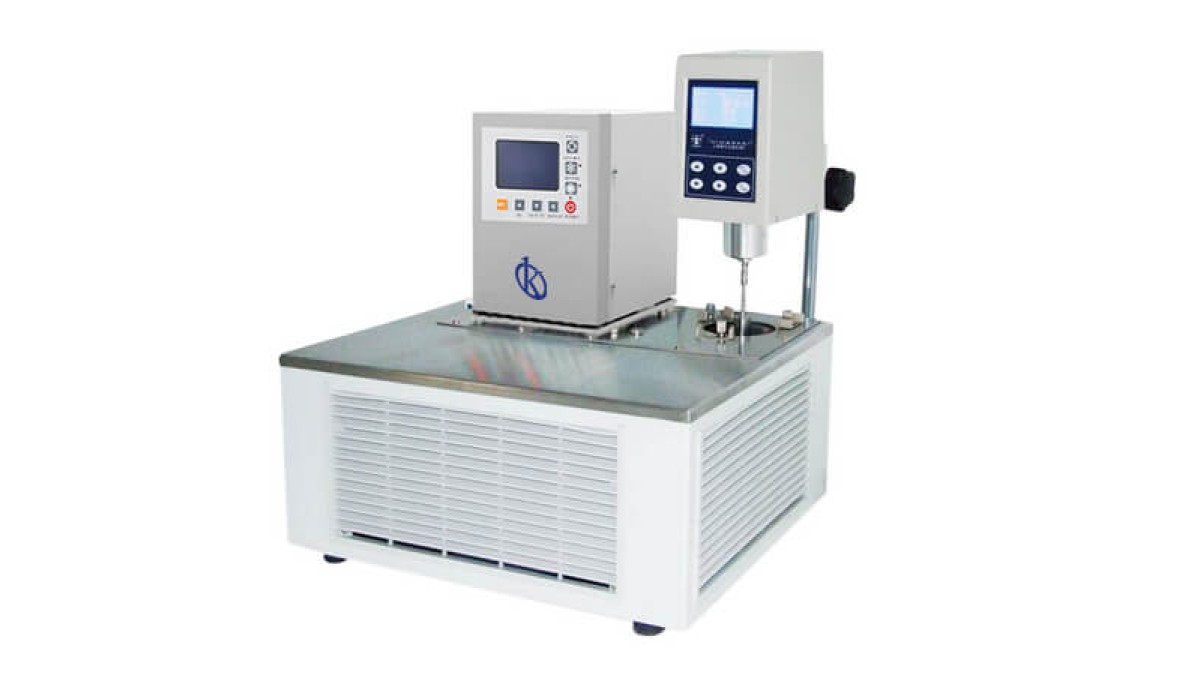
Bath Circulators: Common Mistakes and How to Avoid Them in Daily Operation 2026
Bath circulators are essential in various laboratory settings for maintaining precise temperatures in experiments and processes. Understanding their functionality and best practices can significantly enhance your laboratory's performance. In this article, we will delve into the critical aspects of using bath circulators effectively in 2026, including their applications, common mistakes, and maintenance tips.
What is it used for in 2026
Bath circulators are widely used in laboratories for several applications, such as:
- Temperature Control: Maintaining a stable temperature environment for experiments, which is crucial for obtaining accurate results.
- Viscometry: Ensuring precise temperatures for viscosity measurements in fluids, which is essential in chemical and material science.
- Biological Studies: Providing controlled temperature conditions for biological assays and other life science applications.
- Material Testing: Facilitating the testing of materials under specific temperature conditions to observe their behavior.
History and evolution of the technology
The technology behind bath circulators has evolved significantly over the years. Initially, these devices were simple water baths that relied on ambient temperature control. However, advancements in PID (Proportional-Integral-Derivative) control technology have allowed for much more precise temperature regulation. The introduction of digital displays and automated systems has further improved usability, enabling laboratory professionals to monitor and adjust conditions easily.
How to use it step by step
- Setup: Place the bath circulator on a stable surface and connect it to the power supply.
- Fill the bath: Use distilled water or an appropriate liquid for your application and fill the bath to the recommended level.
- Set the temperature: Use the digital interface to set the desired temperature.
- Start the unit: Turn on the circulator and allow it to reach the set temperature.
- Monitor: Continuously check the temperature and fluid levels during the experiment.
- Shutdown: After use, power down the device and properly dispose of or store any fluids used.
Best techniques and protocols
To ensure optimal performance when using bath circulators, consider the following techniques:
- Calibration: Regularly calibrate your equipment to ensure accurate temperature readings.
- Fluid Maintenance: Regularly check the fluid quality and replace it as needed to prevent contamination.
- Temperature Gradient Awareness: Be aware of potential temperature gradients within the bath and adjust accordingly.
- Proper Placement: Ensure the circulator is placed away from direct sunlight or drafts to maintain stable conditions.
Practical applications by laboratory type
Different laboratories utilize bath circulators for various specific applications:
- Biochemistry Labs: For conducting enzyme assays and chemical reactions at controlled temperatures.
- Material Science Labs: For testing the properties of materials under specific thermal conditions.
- Pharmaceutical Labs: For stability testing of drug formulations and ensuring proper conditions for reactions.
- Environmental Labs: For simulating environmental conditions to study ecological effects on various species.
Regulations, standards and certifications
When using bath circulators, it's essential to adhere to relevant regulations and standards. Ensure that your equipment is compliant with:
- ISO Standards: Follow ISO standards pertinent to laboratory equipment to maintain quality management processes.
- Safety Regulations: Adhere to local and international safety regulations to ensure safe operation in the lab environment.
- Certification Programs: Utilize equipment that has been certified for use in laboratories by recognized organizations, ensuring reliability and safety.
Comparison with alternative technologies
Bath circulators are often compared with other temperature control technologies. Here are some considerations:
- Water Baths: While traditional water baths provide basic heating, bath circulators offer more precise temperature control and stability.
- Refrigerated Circulators: These are designed for cooling applications and are necessary for experiments requiring low temperatures, which standard bath circulators cannot achieve.
- Heating Mantles: Although suitable for certain applications, they lack the fluid dynamics and consistency of temperature control provided by bath circulators.
Comparison of available models
| Model | Best for | Key specs | Recommended use case |
|---|---|---|---|
| YR04985 | Viscosity measurements | Range: -5 to 99.9°C, 1000W | Precise control for viscometers |
| YR04999 | General temperature control | Range: -30 to 100°C, 700W | Temperature control in various experiments |
| YR04996 | Chemical synthesis | Range: -5 to 100°C, 30L/min flow | Stable conditions for chemical reactions |
| YR04988 | Biological assays | Range: -20 to 100°C, 14L/min flow | Controlled environment for life science experiments |
| YR04989 | Material testing | Range: -30 to 100°C, 600x540x950mm | Testing material properties under various temperatures |
| YR04986 | General laboratory use | Range: -5 to 100°C, 14L/min flow | Versatile applications across multiple laboratory experiments |
Common mistakes and how to avoid them
Using bath circulators comes with several common pitfalls. Here are mistakes to avoid:
- Incorrect Fluid Level: Always ensure that the fluid level is within the recommended range to avoid overheating the device.
- Neglecting Calibration: Regularly calibrate your bath circulator to maintain accuracy.
- Overloading the Bath: Avoid placing too many items in the bath, which can disrupt temperature uniformity.
- Ignoring Maintenance: Follow a strict maintenance schedule to ensure long-lasting performance.
Maintenance, calibration and good practices 2026
For optimal performance and longevity of bath circulators, adhere to the following:
- Routine Checks: Conduct daily inspections of the circulator, checking for leaks or abnormalities.
- Calibrate Regularly: Schedule calibration checks every few months, or more frequently if used intensively.
- Fluid Replacement: Change the bath fluid regularly to prevent contamination and ensure accurate temperature control.
- Cleanliness: Keep the equipment and surrounding area clean to avoid cross-contamination.
Cost-benefit analysis 2026
When considering the investment in bath circulators, evaluate the following:
- Initial Costs: Compare the purchase costs of different models against their features.
- Operational Efficiency: Assess how improved temperature control can enhance your experiments, leading to better results and potentially lower costs in the long run.
- Durability: Consider the lifespan of the equipment versus the expected frequency of replacement.
- Return on Investment: Calculate how improved results can translate into higher productivity and efficiency in your lab.
Frequently asked questions
What is the best liquid to use in a bath circulator?
The best liquid to use in a bath circulator is typically distilled water or a specifically formulated heat transfer fluid that is compatible with the materials being tested.
How often should I calibrate my bath circulator?
It is recommended to calibrate your bath circulator at least every 6 months, or more frequently if used under demanding conditions, to ensure accuracy.
Can I use a bath circulator for cooling applications?
Yes, many bath circulators are designed to provide both heating and cooling functions; however, make sure to select a model that supports the desired temperature range.
What should I do if the temperature display is inaccurate?
If the temperature display is inaccurate, first check the calibration. If calibration does not resolve the issue, consult the manufacturer for troubleshooting or consider servicing the unit.
How do I clean the bath circulator?
Cleaning the bath circulator involves draining the fluid, wiping down surfaces with a suitable cleaning agent, and ensuring that no residues are left in the tank or on components.
What are the safety precautions I should take when using a bath circulator?
Ensure safety precautions include wearing appropriate personal protective equipment, avoiding overfilling the bath, and ensuring proper electrical safety practices are followed.
How can I ensure accurate temperature control in my experiments?
To ensure accurate temperature control, maintain proper calibration, monitor fluid levels, and avoid placing too many items in the bath that could disrupt thermal uniformity.
If you are looking for a fusion of innovation and quality, you have come to the right place. At Kalstein, we offer you the luxury of exploring our exclusive catalog of laboratory equipment. We manufacture every device to the highest standards of excellence. Our intuitive and seamless online purchasing channels are designed for your convenience, securing the most competitive prices. Hesitate no longer — we bring science to life, it is time to become part of our community.