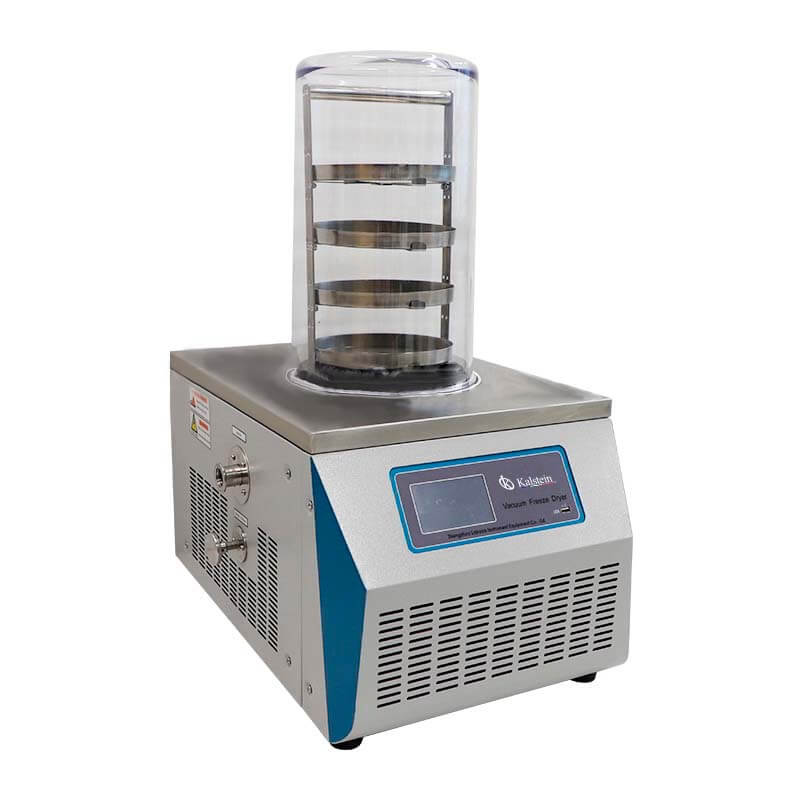
Benchtop Laboratory Freeze Dryer: Best Practices and Techniques 2026
What is it used for in 2026
In 2026, Benchtop Laboratory Freeze Dryers are essential tools in various fields such as medicine, pharmaceuticals, biological research, the chemical industry, and food production. These devices allow for the preservation of products through the lyophilization process, effectively enabling long-term storage while maintaining the chemical and biological integrity of the samples. By eliminating moisture through sublimation, these freeze dryers facilitate the restoration of samples to their original state when rehydrated.
History and evolution of the technology
The technology of freeze drying has evolved significantly since its inception in the early 20th century. Initially used for preserving blood serum and vaccines, the development of vacuum technology and refrigeration has enabled more efficient and effective lyophilization processes. Over the decades, advancements in digital controls, material science, and automation have made modern Benchtop Laboratory Freeze Dryers more user-friendly and versatile for a diverse range of applications.
How to use it step by step
Using a Benchtop Laboratory Freeze Dryer involves several key steps:
- Preparation of samples: Ensure that samples are in suitable containers and at the appropriate concentration for freeze drying.
- Loading the freeze dryer: Place the samples on the drying trays, ensuring proper spacing to allow airflow.
- Setting the parameters: Adjust the temperature and vacuum settings on the digital interface according to the specific requirements of the samples.
- Starting the cycle: Initiate the freeze drying process and monitor the system for any alerts or anomalies.
- Post-drying handling: Once the cycle is complete, remove the samples and store them appropriately to prevent moisture reabsorption.
Best techniques and protocols
To achieve optimal results with Benchtop Laboratory Freeze Dryers, consider the following techniques and protocols:
- Ensure samples are pre-frozen adequately before placing them in the freeze dryer.
- Use appropriate containers that can withstand low temperatures and vacuum conditions.
- Regularly calibrate the device to maintain accuracy in temperature and vacuum measurements.
- Document each freeze drying cycle for future reference and reproducibility.
Practical applications by laboratory type
Different laboratory types utilize freeze dryers in unique ways:
- Pharmaceutical labs: For lyophilizing drugs and vaccines, ensuring stability and extending shelf life.
- Biological research labs: For preserving microbial strains and tissue samples without losing viability.
- Chemical industry: For drying chemicals and compounds that are sensitive to heat.
- Food production: For creating freeze-dried products that retain nutrients and flavor.
Regulations, standards and certifications
Laboratories using Benchtop Laboratory Freeze Dryers must adhere to various regulations and standards to ensure safety and efficacy:
- Good Manufacturing Practices (GMP) for pharmaceutical applications.
- ISO standards relevant to laboratory equipment and processes.
- Environmental regulations concerning waste management from freeze drying processes.
Comparison with alternative technologies
Other drying technologies, such as spray drying and air drying, offer different advantages:
- Spray drying: Generally faster and suitable for liquid samples but may alter the properties of heat-sensitive materials.
- Air drying: Less expensive but often results in reduced stability and higher moisture content in the final product.
- Freeze drying: Best for preserving sensitive materials without compromising their integrity.
Comparison of available models
| Model | Best for | Key specs | Recommended use case |
|---|---|---|---|
| YR05186 | General laboratory use | 0.12㎡, 3-4 L/24h, -55 ℃ | For extensive experiments requiring multiple samples. |
| YR05187 | Laboratory experiments | 0.08㎡, 3-4 L/24h, -55 ℃ | For small-scale freeze drying applications. |
| YR05188 | Multi-sample experiments | 0.12㎡, 3-4 L/24h, -55 ℃ | Best for diverse sample types in biological research. |
| YR05189 | Collector use | 0.08㎡, 3-4 L/24h, -55 ℃ | For concentrated sample preservation. |
| YR05189-1 | Specialized tasks | 3-4 kg/24h, -55 ℃ | For customized freeze drying processes with varying vial sizes. |
Common mistakes and how to avoid them
Here are some common mistakes users make when operating Benchtop Laboratory Freeze Dryers and tips on how to avoid them:
- Inadequate freezing: Always ensure samples are fully frozen before starting the freeze drying process.
- Overloading the dryer: Avoid overloading the trays; it can lead to uneven drying and extended cycle times.
- Neglecting maintenance: Schedule regular cleaning and calibration to maintain performance.
- Ignoring vacuum levels: Monitor vacuum levels throughout the process to avoid poor results.
Maintenance, calibration and good practices 2026
To ensure the longevity and efficiency of Benchtop Laboratory Freeze Dryers, adhere to these maintenance and calibration practices:
- Regularly clean the vacuum chamber and trays to prevent contamination.
- Calibrate temperature and vacuum sensors at least once every six months.
- Check seals and gaskets for wear and replace them as needed.
- Keep a maintenance log for tracking service and performance issues.
Cost-benefit analysis 2026
When considering the investment in Benchtop Laboratory Freeze Dryers, evaluate the cost versus the benefits:
- Initial purchase costs can be high, but reduced preservation costs over time and improved efficiency justify the investment.
- Freeze drying increases the shelf life of sensitive materials, leading to potential cost savings in the long run.
- Consider the potential for increased revenue from high-quality products resulting from freeze-dried processes.
Frequently asked questions
What common mistakes should I avoid when using a freeze dryer?
Avoid inadequate freezing, overloading the dryer, neglecting maintenance, and ignoring vacuum levels.
How can I determine the right freeze dryer for my laboratory?
Consider the scale of your operations, the types of samples you work with, and the specific needs of your processes.
What maintenance is required for a freeze dryer?
Regular cleaning, calibration of sensors, checking seals and gaskets, and keeping a maintenance log are essential.
How does freeze drying compare to other drying methods?
Freeze drying preserves sensitive materials better than air or spray drying, which can alter the properties of heat-sensitive substances.
What are the benefits of using a freeze dryer in pharmaceutical applications?
Freeze dryers extend the shelf life of drugs and vaccines while maintaining their efficacy and stability.
Can I use a freeze dryer for food preservation?
Yes, freeze dryers are excellent for preserving food while retaining nutrients and flavor.
How long does the freeze-drying process typically take?
The duration varies based on the sample type and size, but it can take from several hours to a couple of days.
If you are looking for a fusion of innovation and quality, you have come to the right place. At Kalstein, we offer you the luxury of exploring our exclusive catalog of laboratory equipment. We manufacture every device to the highest standards of excellence. Our intuitive and seamless online purchasing channels are designed for your convenience, securing the most competitive prices. Hesitate no longer — we bring science to life, it is time to become part of our community.