Biosafety Cabinets: Applications in Research, Biotechnology, and Academia 2026
What is it used for in 2026
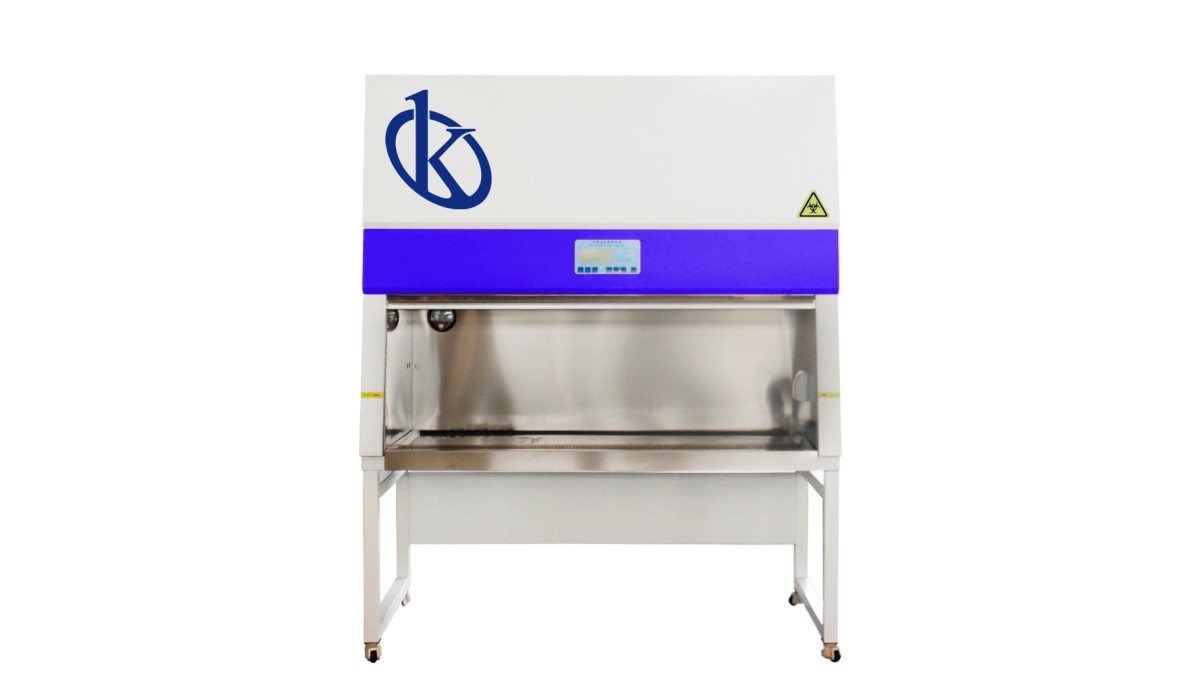
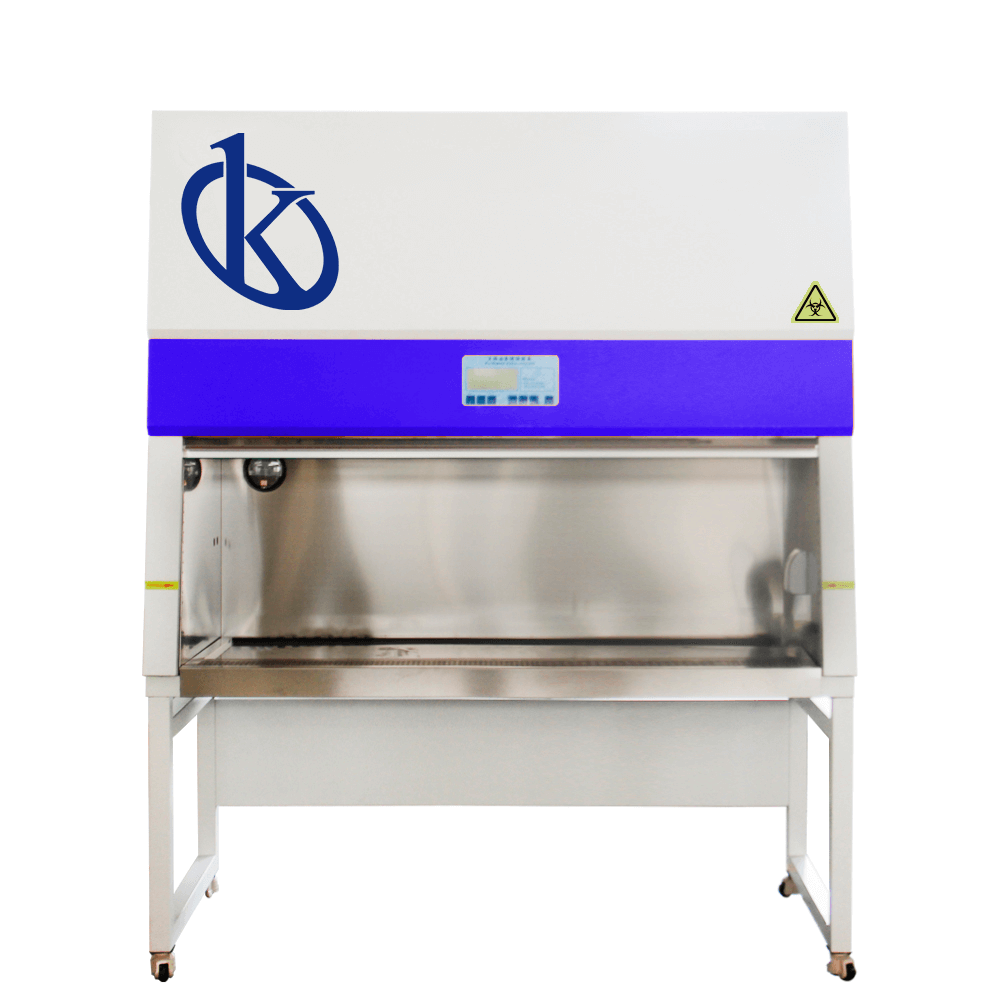
Biosafety cabinets (BSCs) are crucial in laboratory environments to ensure the safety of personnel, the environment, and the integrity of experiments. In 2026, these cabinets are predominantly used in handling infectious agents, hazardous microorganisms, and potentially dangerous materials. They provide a sterile workspace by employing laminar airflow and HEPA filtration systems, reducing the risk of contamination and exposure. Applications span across various fields, including microbiology, molecular biology, and biomedical research, where maintaining an uncontaminated environment is paramount.
History and evolution of the technology
The concept of biosafety cabinets emerged in the mid-20th century, evolving from basic fume hoods to sophisticated systems that incorporate advanced filtration and airflow technologies. The development of HEPA filters in the 1940s significantly enhanced the ability to trap airborne particles, setting the foundation for modern BSCs. Over the decades, advancements in materials and controls have led to the current Class II BSCs, which are integral to safe laboratory practices. These cabinets have continuously adapted to meet the growing demands of safety and regulatory standards in laboratory settings.
How to use it step by step
Using a biosafety cabinet involves several critical steps to ensure optimal operation:
- Preparation: Ensure the workspace is clean and all necessary materials are gathered.
- Powering On: Turn on the cabinet and allow it to run for at least 10-15 minutes before use to ensure proper airflow and filtration.
- Setting Up: Arrange materials inside the cabinet without overcrowding to ensure adequate airflow.
- Personal Safety: Wear appropriate personal protective equipment (PPE) including gloves, lab coats, and safety goggles.
- Operation: Conduct experiments, ensuring that materials remain within the designated working area.
- Post-Use: After completing the work, dispose of waste materials safely and sanitize surfaces within the cabinet.
- Powering Down: Follow proper shutdown procedures, including running the cabinet for a few minutes to clear any airborne contaminants before turning it off.
Best techniques and protocols
Adhering to best practices is essential for the effective use of biosafety cabinets:
- Regular Training: Ensure all personnel are trained on the correct use and protocols of the BSC.
- Routine Checks: Perform regular checks on airflow and filter integrity to guarantee optimal performance.
- Proper Disposal: Establish protocols for disposing of hazardous waste generated within the cabinet.
- Airflow Monitoring: Use anemometers to periodically measure airflow speeds to ensure compliance with specifications.
- Documentation: Maintain records of usage, maintenance, and any repairs conducted on the equipment.
Practical applications by laboratory type
The applications of biosafety cabinets vary across different laboratory types:
- Microbiology Labs: Used for culturing and manipulating pathogenic microorganisms while ensuring containment.
- Biotechnology Labs: Employed in genetic engineering and cell culture work, safeguarding against contamination.
- Clinical Labs: Utilized for handling patient samples and conducting diagnostics in a safe environment.
- Pharmaceutical Labs: Essential for drug development processes that require aseptic conditions.
Regulations, standards and certifications
Compliance with regulations and certifications is mandatory for biosafety cabinets. The main standards include:
- ISO 14644: Outlines cleanroom and controlled environments quality.
- US Federal Standard 209E: Defines air cleanliness levels in controlled environments.
- NIH Guidelines: Provides regulations for biomedical research involving recombinant DNA.
- ANSI/SLI Z9.5: Establishes safety standards for BSC design and performance.
Comparison with alternative technologies
Comparing biosafety cabinets with alternative technologies highlights their unique advantages:
- Fume Hoods: Primarily designed for chemical safety rather than biological containment.
- Laminar Flow Cabinets: Focus on providing clean air but do not contain hazardous biological materials.
- Dedicated Ventilation Systems: While they manage air quality, they lack the localized protection that BSCs provide for biological safety.
Comparison of available models
| Model | Best for | Key specs | Recommended use case |
|---|---|---|---|
| YR05704 | Handling infectious agents | Price: $1600.00, Cleanliness: Class 100 | Microbiology research |
| YR05705 | Cell culture processes | Price: $1650.00, Cleanliness: Class 100 | Biotechnology applications |
| YR05706 | Advanced microbiological work | Price: $2150.00, Cleanliness: Class 100 | Clinical diagnostics |
| YR0090-A | General laboratory use | Price: $1260.00, Cleanliness: Class 100 | Educational institutions |
| YR05270 | Pharmaceutical research | Price: $2750.00, Cleanliness: Class 5 | Drug development |
| YR05271 | Advanced biological research | Price: $2940.00, Cleanliness: Class 5 | High-containment laboratories |
Common mistakes and how to avoid them
Several mistakes can compromise the safety and effectiveness of biosafety cabinets:
- Improper Setup: Ensure the cabinet is level and the airflow is unobstructed by equipment or materials.
- Neglecting Maintenance: Follow a strict maintenance schedule to ensure filters and airflow systems are functioning properly.
- Ignoring Protocols: Always adhere to established protocols for material handling and waste disposal.
- Inadequate Training: Regularly train staff on proper usage and safety measures associated with BSCs.
Maintenance, calibration and good practices 2026
To maintain optimal performance, regular maintenance and calibration are crucial:
- Filter Replacement: Change HEPA filters according to manufacturer guidelines to ensure high efficiency.
- Calibration: Regularly calibrate airflow sensors and monitor performance metrics.
- Cleaning Protocols: Implement routine cleaning schedules using appropriate disinfectants to maintain sterility.
- Record Keeping: Maintain detailed logs of all maintenance, calibrations, and repairs performed.
Cost-benefit analysis 2026
When considering the investment in a biosafety cabinet, a cost-benefit analysis is essential:
- Initial Costs: Prices range from $1260 to $2940 based on the model and specifications.
- Operational Savings: Increased safety protocols can prevent costly contamination incidents.
- Regulatory Compliance: Meeting safety standards may reduce liability and improve laboratory standing.
- Longevity and Reliability: Investing in quality cabinets ensures long-term use with lower maintenance costs over time.
Frequently asked questions
What is the importance of using a biosafety cabinet in a laboratory?
A biosafety cabinet is essential for protecting laboratory personnel from exposure to hazardous biological agents and maintaining the integrity of experiments by providing a sterile workspace.
How do I choose the right model of biosafety cabinet?
Choosing the right model depends on your specific laboratory needs, such as the type of work being conducted, required cleanliness levels, and available budget. Review the specifications and applications of different models to determine the best fit.
What maintenance is required for biosafety cabinets?
Routine maintenance includes filter replacement, periodic calibration, and cleaning the workspace to ensure optimal performance and compliance with safety standards.
Can biosafety cabinets be used for all types of biological research?
While biosafety cabinets are versatile, it is crucial to select a model that is suitable for the specific biological agents or materials being handled, as different models offer varying levels of protection.
How often should I train staff on the use of biosafety cabinets?
Regular training sessions should be conducted, ideally at least once a year, or whenever new equipment is introduced or existing protocols are updated.
What should I do if I suspect my biosafety cabinet is not functioning properly?
If you suspect any issues, cease use immediately and consult the manufacturer for troubleshooting guidance or arrange for professional servicing and inspection.
Where can I get a quote for a biosafety cabinet?
To request a quote for a biosafety cabinet tailored to your laboratory needs, please contact our sales team for detailed pricing and options.
If you are looking for a fusion of innovation and quality, you have come to the right place. At Kalstein, we offer you the luxury of exploring our exclusive catalog of laboratory equipment. We manufacture every device to the highest standards of excellence. Our intuitive and seamless online purchasing channels are designed for your convenience, securing the most competitive prices. Hesitate no longer — we bring science to life, it is time to become part of our community.