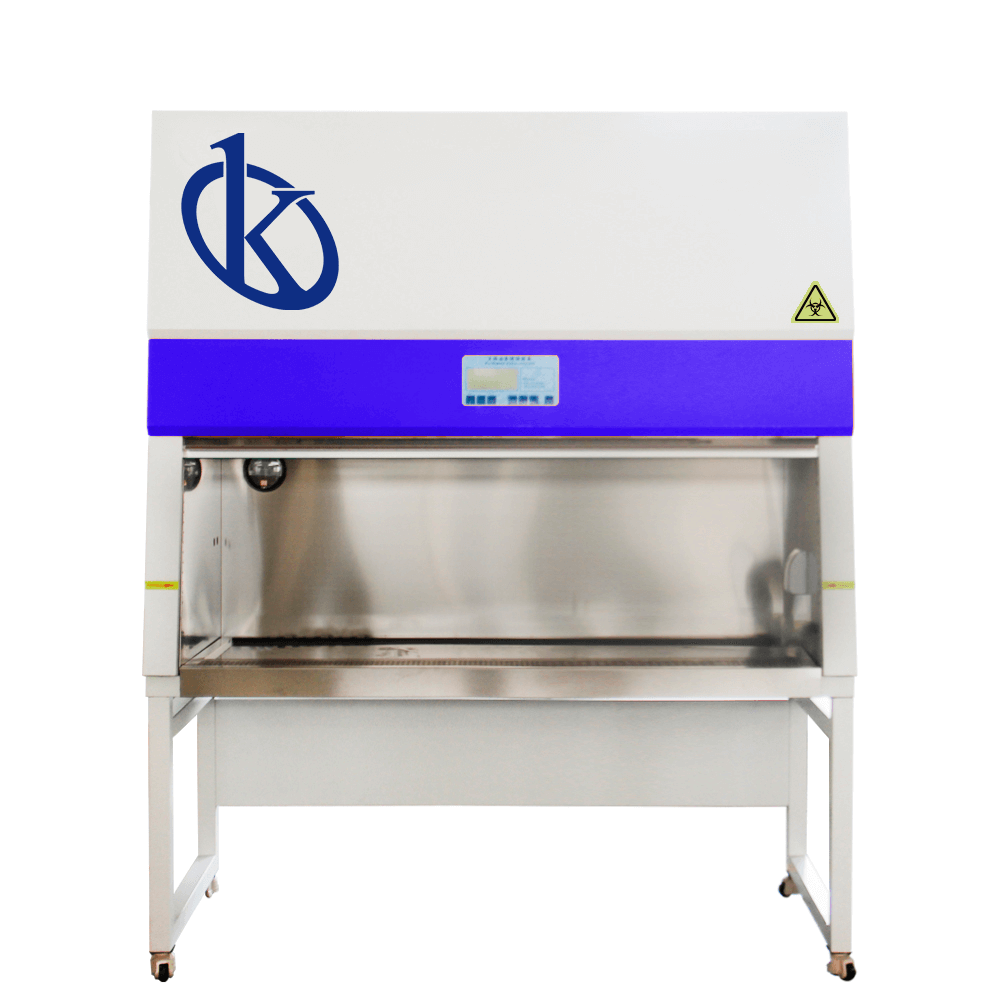
Biosafety Cabinets Class II: Integration with LIMS and Data Flow Digitalization 2026
In the rapidly evolving landscape of laboratory environments, the integration of Class II Biosafety Cabinets with Laboratory Information Management Systems (LIMS) and the digitalization of data flow represent critical advancements. These enhancements not only improve operational efficiency but also ensure compliance with safety regulations. This article will delve into various models of Class II biosafety cabinets, their unique features, and how they can effectively integrate with LIMS, facilitating a seamless data flow within laboratory settings.
Understanding the Importance of LIMS Integration
Laboratories are increasingly recognizing the need for automation and digitalization to enhance productivity and ensure data integrity. LIMS serves as a backbone for managing laboratory information efficiently. By integrating biosafety cabinets with LIMS, laboratories can automate workflows, track samples, and maintain compliance with various regulations.
Key Benefits of Digitalizing Data Flow
Digitalization of data flow allows for real-time monitoring and analysis, which significantly improves decision-making processes. For instance, when biosafety cabinets are connected to LIMS, data such as airflow velocities, contamination levels, and maintenance schedules can be monitored in real time, ensuring a safer working environment.
Comparison of Available Models
| Model | Price (USD) | Best For | Key Features | LIMS Integration Capability |
|---|---|---|---|---|
| YR05704 | 1600.00 | General laboratory use | 100% exhaust, easy access | Mid-level complexity |
| YR05705 | 1650.00 | Mid-sized labs | Flexible height adjustment | Standard features |
| YR05706 | 2150.00 | High-throughput environments | Enhanced airflow control | Advanced integration |
| YR0090-A | 1260.00 | Small facilities | Compact design | Basic LIMS connection |
| YR05270 | 2750.00 | Research laboratories | HEPA filter, LCD control | Seamless integration |
| YR05271 | 2940.00 | Advanced research | High efficiency, low noise | Full integration potential |
Common Mistakes and How to Avoid Them
When integrating biosafety cabinets with LIMS, laboratories often overlook the importance of proper configuration and calibration. A common mistake is failing to thoroughly assess the compatibility of the biosafety cabinet with existing LIMS systems. To avoid this, conduct a detailed analysis of data protocols, and ensure that all systems are configured to communicate effectively with one another.
Model-Specific Features Enhancing LIMS Integration
Each model of Class II biosafety cabinet offers unique features that can enhance LIMS integration:
- YR05704: Equipped with a flexible exhaust system, this model allows for easy connectivity with middleware solutions that facilitate LIMS integration.
- YR05705: Its customizable door height can be programmed into LIMS to provide real-time updates on operational status.
- YR05706: With advanced airflow management, this cabinet supports data logging features that can be integrated into LIMS for compliance tracking.
- YR0090-A: Ideal for small labs, this model offers straightforward integration, simplifying the learning curve for staff.
- YR05270: The LCD control system provides easy access to monitoring parameters, facilitating LIMS connectivity.
- YR05271: Its low-noise operation makes it suitable for environments where audit compliance is critical, enabling seamless LIMS data flow.
Challenges in LIMS Integration with Biosafety Cabinets
Integrating biosafety cabinets with LIMS is not without its challenges. Laboratories must navigate issues such as data compatibility, user training, and system maintenance. Understanding these challenges upfront can help laboratories devise strategies to mitigate risks, such as developing robust training programs for staff and ensuring regular software updates.
Best Practices for Digitalizing Data Flow
To maximize the benefits of digitalizing data flow, laboratories should implement best practices, including:
- Regularly updating software and hardware components to ensure compatibility with LIMS.
- Conducting routine assessments of data accuracy and integrity.
- Utilizing middleware solutions for efficient data transfer between systems.
- Establishing clear protocols for data entry and management to prevent errors.
Frequently Asked Questions
How can I ensure compliance with LIMS integration in my biosafety cabinet in 2026?
To ensure compliance, choose models like YR05706, which features advanced airflow management and logging capabilities. Regular audits and updates to your LIMS system according to ISO standards will help maintain compliance.
Which biosafety cabinet model is most suitable for high-throughput labs in 2026?
The YR05706 model is ideal for high-throughput labs due to its enhanced airflow control and ability to seamlessly integrate with LIMS, promoting efficient workflows.
What is the cost of integrating a biosafety cabinet with LIMS in a mid-sized laboratory?
Integration costs can vary, but models like YR05705 priced at $1650 provide solid features for LIMS connectivity and cost-effectiveness for mid-sized laboratories.
How does the YR05271 model enhance data flow digitalization in labs?
The YR05271 model enhances data flow through its high-efficiency HEPA filter and seamless integration capabilities, allowing for automatic data logging and reporting within LIMS.
What training is required for staff to effectively use LIMS with biosafety cabinets?
Staff should receive training on data entry protocols, LIMS functionalities, and specific features of the biosafety cabinets like YR05704 to maximize efficiency and compliance.
How does the YR0090-A model support compliance with safety standards in a laboratory?
The YR0090-A model is designed to meet Class II safety standards, providing effective aerosol containment and compatibility with LIMS for monitoring compliance.
What are the key features to look for in a biosafety cabinet for LIMS integration?
Look for models with flexible connectivity options, real-time monitoring features, and user-friendly controls. Models like YR05706 excel in these areas, providing robust integration capabilities.
How often should a biosafety cabinet be calibrated to ensure accurate data flow with LIMS?
Calibration should be performed at least annually or whenever significant changes occur in the laboratory environment. Regular checks on models like YR05270 ensure accurate data flow integration.
If you are looking for a fusion of innovation and quality, you have come to the right place. At Kalstein, we offer you the luxury of exploring our exclusive catalog of laboratory equipment. We manufacture every device to the highest standards of excellence. Our intuitive and seamless online purchasing channels are designed for your convenience, securing the most competitive prices. Hesitate no longer — we bring science to life, it is time to become part of our community.