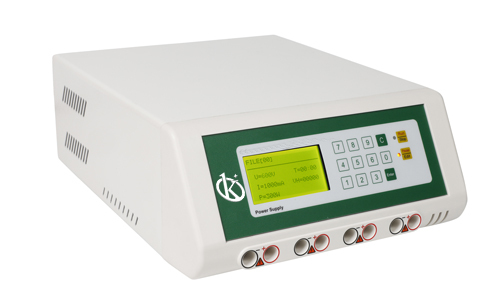
Ensuring Biosafety in High-Voltage Power Supply Operations: Best Practices for Safe Operator Management
High-voltage power supplies are critical components in various laboratory applications, from electrophoresis to industrial testing. However, the operational dangers associated with high voltages necessitate stringent biosafety protocols. This article aims to provide laboratory professionals with comprehensive guidelines and best practices for ensuring safe operator management when handling high-voltage power supplies.
Understanding Biosafety Protocols in High-Voltage Environments
Biosafety in high-voltage environments encompasses a range of practices aimed at minimizing risks to operators and ensuring a safe laboratory environment. These protocols include using appropriate personal protective equipment (PPE), conducting risk assessments, and implementing decontamination measures. Operators must be familiar with the specific biosafety levels (BSL) relevant to their processes, particularly when the equipment is used in conjunction with biological materials.
High-voltage power supplies, such as the YR03409 and YR03408, provide substantial voltage output for various applications; thus, understanding their operational protocols is crucial for maintaining safety. Operators should ensure they are trained in the safe handling and operational procedures associated with their specific models.
Key Safety Equipment for High-Voltage Power Supply Operations
Personal protective equipment (PPE) is essential in high-voltage operations. Operators should wear insulated gloves, dielectric shoes, and protective eyewear to prevent electric shocks and related injuries. Additionally, the workspace must be equipped with safety signage, emergency shut-off switches, and appropriate grounding systems to protect against accidental electrocution.
Regarding high-voltage power supplies, models like the YR03406 and YR03407 come with built-in safety features such as overload protection and fault alert systems. These features are critical in preventing accidents and ensuring that operators can perform their tasks without undue risk.
Conducting Risk Assessments for High-Voltage Operations
Effective risk assessments involve identifying potential hazards associated with high-voltage power supplies and evaluating the risks they pose to operators. Factors to consider include the voltage levels, the environment in which the equipment is used, and the presence of any flammable or biohazardous materials.
Laboratories should develop a risk management plan based on the findings of these assessments. This plan should outline procedures for safe operation, emergency response protocols, and regular safety training for personnel. For instance, using the YR03405, operators should review its operational manual regularly to stay updated on safety features and operational protocols.
Implementing Effective Decontamination Protocols
Decontamination protocols are vital to maintaining a safe laboratory environment. After using high-voltage power supplies, especially when working with biological materials, it is essential to ensure that all surfaces are cleaned and sanitized properly. This minimizes the risk of contamination and protects the health of laboratory staff.
Operators should follow established decontamination procedures, which may include using specific cleaning agents that are effective against potential contaminants without damaging the equipment. For example, using the YR03408 in conjunction with biological samples requires thorough cleaning of the workspace to prevent cross-contamination.
Comparison of Available Models
| Model | Output Voltage Range (V) | Current Range (mA) | Best Use Case | Price (USD) |
|---|---|---|---|---|
| YR03409 | 20–3000 | 1–200 | Electrophoresis and general laboratory applications | 1105.80 |
| YR03408 | 20–5000 | 1–200 | Advanced electrophoresis and research applications | 1475.00 |
| YR03405 | 10–600 | 1–500 | Standard laboratory experiments | 967.20 |
| YR03406 | 20–1600 | 1–100 | Low to medium voltage applications | 552.00 |
| YR03407 | 20–3000 | 1–400 | Electrophoresis with high precision requirements | 1383.00 |
Common Mistakes and How to Avoid Them
Laboratory professionals often make critical errors in the handling of high-voltage power supplies, which can lead to severe accidents. A common mistake is neglecting to use appropriate PPE, which significantly increases the risk of electric shocks. Operators must understand the importance of PPE and ensure compliance with biosafety protocols.
Another frequent oversight is failing to conduct regular maintenance checks on equipment like the YR03409. Regular checks help identify potential faults that could lead to hazardous situations, ensuring that all safety features function correctly.
Frequently Asked Questions
What biosafety measures should be taken when working with high-voltage power supplies?
Biosafety measures include using appropriate PPE, conducting risk assessments, and implementing decontamination protocols. For example, when using the YR03408, operators should ensure they wear insulated gloves and protective eyewear to prevent electric shocks.
How can I ensure compliance with safety standards for high-voltage operations?
Compliance can be achieved by adhering to established biosafety protocols and regularly training staff on safety measures. Utilizing models like the YR03406 with built-in safety features can also enhance compliance efforts.
What are the best practices for decontaminating high-voltage power supplies?
Best practices include using approved cleaning agents effective against contaminants and ensuring thorough cleaning after each use. For instance, handling biological materials with the YR03405 requires careful workspace decontamination to prevent cross-contamination.
How often should risk assessments be conducted for high-voltage operations?
Risk assessments should be conducted regularly, preferably at least once a year or whenever there are significant changes in laboratory processes. This ensures safety protocols remain current and relevant to equipment like the YR03409.
Which high-voltage power supply is best for electrophoresis?
The YR03408 is considered one of the best options for electrophoresis due to its high voltage range and advanced features, making it suitable for a variety of laboratory applications.
How can I improve operator safety in high-voltage environments?
Improving operator safety can be achieved by ensuring proper training, using PPE, and implementing safety protocols. Regular checks on equipment like the YR03407 can also significantly enhance safety.
What should I include in a risk management plan for high-voltage power supplies?
A risk management plan should include safe operation procedures, emergency response protocols, and regular training for users. It is essential to tailor the plan to specific models like the YR03406 to address unique safety features.
How can I request a quote for high-voltage power supply models?
You can request a quote for high-voltage power supply models by contacting us directly for tailored pricing based on your laboratory's needs.
If you are looking for a fusion of innovation and quality, you have come to the right place. At Kalstein, we offer you the luxury of exploring our exclusive catalog of laboratory equipment. We manufacture every device to the highest standards of excellence. Our intuitive and seamless online purchasing channels are designed for your convenience, securing the most competitive prices. Hesitate no longer — we bring science to life, it is time to become part of our community.