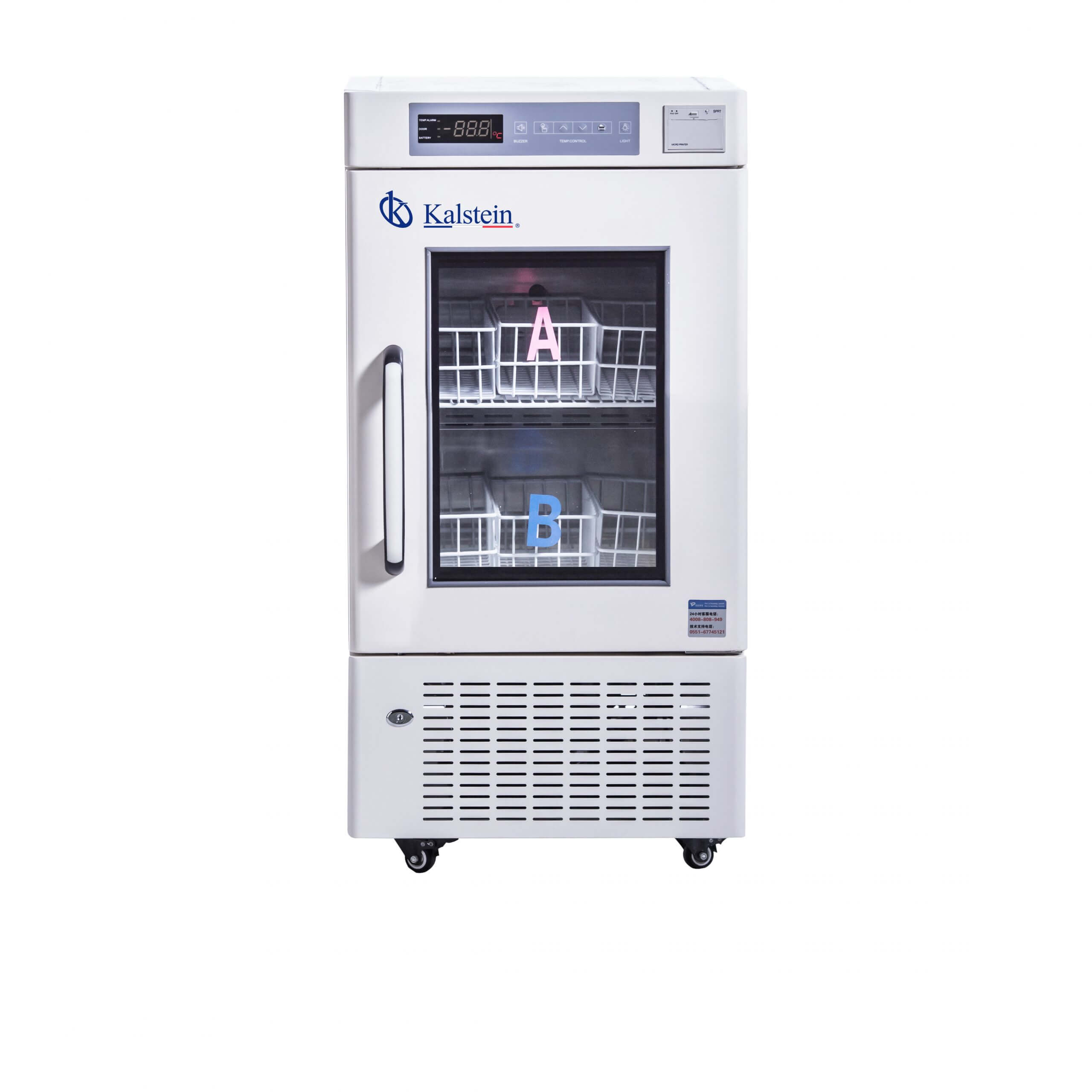
How Can Blood Bank Refrigerators Contribute to Energy Sustainability and Reduce Environmental Footprint?
In an era where sustainability is paramount, laboratories and medical facilities are seeking innovative solutions to reduce their environmental footprint. Blood bank refrigerators play a crucial role in this endeavor. These devices are essential for the safe storage of blood products, but they also represent significant energy consumption. Understanding how different models operate can help healthcare facilities achieve energy efficiency while maintaining regulatory compliance. This article delves into the features, benefits, and comparisons of various blood bank refrigerators to help you make informed decisions that align with sustainability goals.
Understanding Energy Sustainability in Blood Bank Refrigeration
Energy sustainability in blood bank refrigeration involves minimizing energy consumption while ensuring optimal storage conditions for blood products. Traditional refrigeration systems often operate inefficiently, leading to unnecessary energy waste. Blood bank refrigerators, specifically designed for the safe storage of blood, have evolved to incorporate advanced technologies that enhance energy efficiency. Features such as microprocessor-controlled air cooling and automatic defrost systems are integral in achieving lower energy consumption and improved performance.
Key Features that Promote Energy Efficiency
Modern blood bank refrigerators are equipped with several features that not only ensure compliance with storage regulations but also contribute to energy efficiency:
- Microprocessor Control: Models like the YR05091 and YR05092 utilize microprocessor-controlled forced air cooling systems, which adjust the temperature dynamically based on the load, reducing energy consumption during non-peak hours.
- Automatic Defrost: Automatic defrost mechanisms prevent ice buildup and enhance thermal efficiency, as seen in the YR05094 model, which boasts a frost-free design.
- High-Efficiency Compressors: The use of high-efficiency compressors in models like the YR05292 ensures that the energy consumed is minimized while maintaining optimal temperatures.
Comparison of Available Models
| Model | Energy Consumption (kWh/24h) | Noise Level (db) | Best For |
|---|---|---|---|
| YR05091 | 1.95 | 49.6 | Small to medium blood banks |
| YR05092 | 2.22 | 51.2 | Hospitals with high storage needs |
| YR05094 | 6.31 | 51.2 | Large blood storage facilities |
| YR05098 | 3.4 | 55 | Long-term blood storage |
| YR05292 | 3.5 | N/A | Blood banks requiring multiple drawers |
Evaluating the Environmental Impact of Blood Bank Refrigerators
When selecting a blood bank refrigerator, it’s essential to consider its overall environmental impact. This includes not only energy consumption but also the type of refrigerants used, greenhouse gas emissions, and the life cycle of the equipment. Models utilizing environmentally friendly refrigerants like R290 (YR05098) contribute to reduced emissions, making them a more sustainable choice for modern healthcare facilities.
Lifecycle Assessment and E-Waste Management
Lifecycle assessments (LCA) are crucial tools to evaluate the total environmental impacts of blood bank refrigerators. Facilities should assess energy consumption during use, the emissions associated with refrigerants, and the disposal practices at the end of the equipment's life. Choosing models designed for easy recycling and eco-friendly materials is a step toward minimizing e-waste and improving sustainability in laboratory operations.
Common Mistakes and How to Avoid Them
Many facilities overlook critical aspects when selecting blood bank refrigerators, potentially leading to inefficient operations and increased environmental impact. Common mistakes include:
- Neglecting Energy Efficiency Ratings: Always check for energy efficiency ratings. Selecting a model like the YR05091 can significantly reduce energy costs.
- Ignoring Maintenance Needs: Regular maintenance is vital for energy efficiency. Failing to perform routine checks can lead to increased energy consumption.
- Overlooking Refrigerant Types: Choosing models that utilize eco-friendly refrigerants can help minimize the facility's carbon footprint.
Implementing Strategies for Energy Efficiency
To maximize energy efficiency, laboratories should implement several strategies:
- Regular Audits: Conduct energy audits to monitor consumption and identify areas for improvement.
- Optimize Storage Practices: Properly organize blood products to enhance airflow and cooling efficiency.
- Train Staff: Educate staff on the importance of energy-efficient practices and proper equipment use.
Future Trends in Blood Bank Refrigeration
The future of blood bank refrigeration is moving towards even greater sustainability. Innovations in technology, such as smart monitoring systems that provide real-time energy usage data, are emerging. For example, models such as the YR05292 with advanced monitoring capabilities can be integrated into a facility's broader energy management systems, allowing for enhanced tracking and optimization of energy use.
Frequently Asked Questions
How does a blood bank refrigerator help meet energy sustainability goals?
Blood bank refrigerators, such as the YR05091, incorporate features like microprocessor controls and efficient compressors that optimize energy usage, helping medical facilities meet sustainability goals.
Which blood bank refrigerator models are most environmentally friendly?
The YR05098 model is notable for using R290 refrigerant, which is environmentally stable, contributing to reduced greenhouse gas emissions and aligning with sustainability efforts.
What is the average energy consumption of blood bank refrigerators?
Models like the YR05091 have an average energy consumption of about 1.95 kWh/24h, making them suitable for energy-conscious blood storage facilities.
How can proper maintenance of blood bank refrigerators reduce environmental impact?
Regular maintenance of blood bank refrigerators, such as the YR05092, ensures they operate efficiently, reducing unnecessary energy consumption and prolonging equipment life, thus lowering environmental impact.
What are the best practices for organizing blood products in refrigerators?
To enhance airflow and cooling efficiency in models like the YR05094, proper organization of blood products is essential. This includes avoiding overloading and ensuring that air can circulate freely.
What role do automatic defrost systems play in energy efficiency?
Automatic defrost systems in models such as the YR05094 prevent ice buildup, maintaining optimal temperatures and ensuring energy efficiency during operation.
How can blood bank refrigerators be integrated into energy management systems?
Advanced models like the YR05292 can be integrated into energy management systems to monitor real-time energy usage, facilitating better optimization of energy consumption across healthcare facilities.
What is the expected lifespan of a blood bank refrigerator and its environmental considerations?
The lifespan of models like the YR05292 can typically reach over ten years, but facilities must consider sustainable disposal practices and recycling options to minimize environmental impact.
If you are looking for a fusion of innovation and quality, you have come to the right place. At Kalstein, we offer you the luxury of exploring our exclusive catalog of laboratory equipment. We manufacture every device to the highest standards of excellence. Our intuitive and seamless online purchasing channels are designed for your convenience, securing the most competitive prices. Hesitate no longer — we bring science to life, it is time to become part of our community.