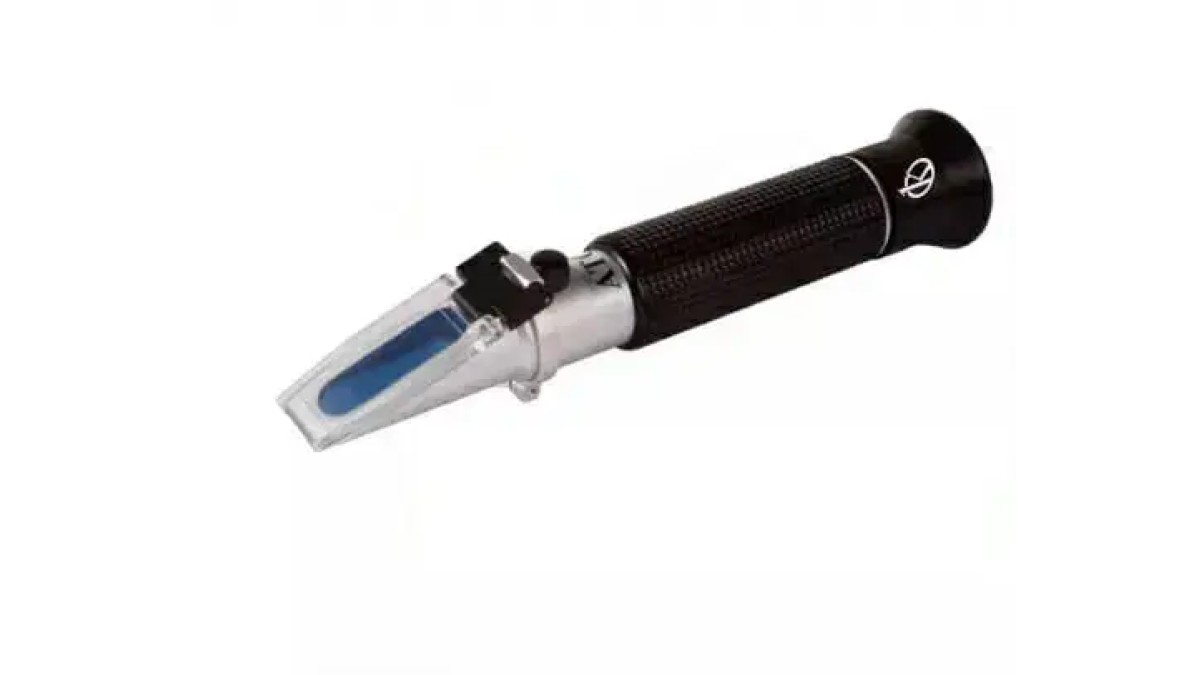
Brix Refractometers: Practical Applications and Techniques 2026
Brix Refractometers are essential tools in various laboratories, particularly in the analysis of sugar content in fruits, vegetables, and beverages. This guide will provide an in-depth understanding of how to use these instruments, their practical applications, and the best practices for 2026.
What is it used for in 2026
In 2026, Brix Refractometers are primarily used to measure the sugar concentrations in liquids, which is crucial for numerous industries, including agriculture, food and beverage production, and quality control laboratories. These devices help determine the ripeness of fruits, the fermentation progress in breweries, and the quality of products in food processing. Understanding sugar content helps producers maintain quality and consistency in their products.
History and evolution of the technology
The evolution of Brix Refractometers dates back to the early 20th century when refractometry was first utilized in sugar analysis. Initially, these instruments were simple manual devices. However, technological advancements have led to the development of more sophisticated optical refractometers with automatic temperature compensation (ATC), enhancing accuracy and usability. The integration of electronics has further improved measurements, allowing for digital readings and increased reliability in various laboratory environments.
How to use it step by step
Using a Brix Refractometer involves several straightforward steps:
- Calibration: Before using the refractometer, ensure it is calibrated correctly. Use distilled water to set the zero point on the scale.
- Sample Preparation: Obtain the sample to be tested. Ensure it’s at room temperature for accurate readings.
- Application: Place a few drops of the sample on the prism of the refractometer. Ensure the prism is clean to avoid contamination.
- Measurement: Close the cover plate to spread the sample evenly. Look through the eyepiece and take the reading where the light and dark fields meet on the scale.
- Record Results: Document the Brix value displayed. If necessary, perform calculations for temperature adjustments based on the ATC feature.
- Cleaning: After use, clean the prism with distilled water and dry it carefully to ensure longevity.
Best techniques and protocols
To achieve optimal results when using Brix Refractometers, adhere to the following techniques:
- Ensure the instrument is calibrated regularly to maintain accuracy.
- Use fresh samples for testing, avoiding any contamination from previous tests.
- Perform multiple readings for each sample and use the average value for more reliable results.
- Maintain the refractometer in a stable environment to minimize fluctuations due to temperature or humidity.
- Record environmental conditions alongside measurements for better context and traceability.
Practical applications by laboratory type
Brix Refractometers have diverse applications across various laboratory types:
- Agricultural Laboratories: Used to determine the sugar content in fruits to assess their ripeness and quality.
- Food and Beverage Laboratories: Essential for measuring sugar levels in products like juices, wines, and beers to ensure compliance with quality standards.
- Research Laboratories: Utilized in experiments to analyze the effects of different growing conditions on sugar content in plants.
- Quality Control Laboratories: Critical for product testing to maintain consistency in production processes.
Regulations, standards and certifications
In 2026, laboratories using Brix Refractometers must adhere to various regulations and standards to ensure quality and safety:
- ISO 9001 for quality management systems in laboratories.
- GLP (Good Laboratory Practice) guidelines to ensure the reliability of data.
- FDA regulations for food safety and quality in food and beverage testing.
- ASTM standards for testing methods and equipment in laboratories.
Comparison with alternative technologies
While Brix Refractometers are popular, alternative technologies exist:
- Hydrometers: Measure specific gravity but are less accurate for sugar content.
- Spectrophotometers: Provide detailed chemical analysis but require more extensive sample preparation and are generally more expensive.
- Digital Density Meters: Offer precise density measurements but may not specifically measure Brix.
Comparison of available models
| Model | Best for | Key specs | Recommended use case |
|---|---|---|---|
| YR05872 | Low sugar content liquids | Range: 0-5% Brix, Accuracy: ± 0.10% Brix | Testing sap from sugar plants |
| YR05873 | Medium sugar content liquids | Range: 0-10% Brix, Accuracy: ± 0.10% Brix | Testing fruit juices and soft drinks |
| YR05874 | Moderate sugar concentration | Range: 0-18% Brix, Accuracy: ± 0.10% Brix | Testing wine and beer fermentation |
| YR05875 | High sugar concentration | Range: 0-20% Brix, Accuracy: ± 0.10% Brix | Testing concentrated syrups |
| YR05876 | Very high sugar content | Range: 0-32% Brix, Accuracy: ± 0.10% Brix | Testing honey and molasses |
| YR05877 | General purpose | Range: 0-10% Brix, Accuracy: ± 0.10% Brix | Versatile use in various applications |
Common mistakes and how to avoid them
Using Brix Refractometers can lead to errors if not handled properly. Here are some common mistakes to watch out for:
- Not calibrating: Always calibrate the instrument before taking measurements to ensure accuracy.
- Using contaminated samples: Ensure that the sample is uncontaminated to avoid inaccurate readings.
- Ignoring temperature effects: Always consider the temperature of the sample and utilize the ATC feature for adjustments.
- Not cleaning the prism: A dirty prism can lead to erroneous results; always clean the device post-use.
Maintenance, calibration and good practices 2026
To ensure the longevity and accuracy of Brix Refractometers, follow these maintenance guidelines:
- Regularly calibrate using standard solutions.
- Store the device in a protective case to prevent physical damage.
- Clean the prism after each use with a soft cloth and distilled water.
- Check for any physical damage or discrepancies in readings periodically.
- Keep the device in a stable environment away from extreme temperatures.
Cost-benefit analysis 2026
The cost of Brix Refractometers varies by model and features, but their benefits outweigh the costs when considering:
- Improved accuracy in measurements leads to better product quality.
- Time savings through quick measurements compared to alternative methods.
- Reduced waste by ensuring correct sugar levels in products.
- Return on investment through enhanced productivity in laboratory operations.
Frequently asked questions
How do I choose the right Brix Refractometer for my lab?
Consider the sugar content range and the specific applications you will be using the refractometer for. Each model specializes in different ranges, so select one that fits your testing needs.
Can I use a Brix Refractometer for liquids other than fruit juices?
Yes, Brix Refractometers can be used for various liquids, including wines, syrups, and even some non-food liquids, provided they fall within the measurement range of the specific model.
What should I do if my Brix Refractometer is not giving consistent readings?
First, ensure it is properly calibrated. If consistent readings are still not achieved, check for cleanliness of the prism, or consider consulting the manufacturer for troubleshooting.
Are Brix Refractometers easy to maintain?
Yes, they require minimal maintenance. Regular cleaning and periodic calibration are the key practices to ensure accurate and reliable measurements.
How often should I calibrate my Brix Refractometer?
Calibration should be performed before each use or at least daily, especially in high-traffic laboratory environments where it might be subject to varying conditions.
What are the best practices for using a Brix Refractometer?
Ensure that the instrument is calibrated, use fresh uncontaminated samples, perform multiple readings for accuracy, and maintain a stable environment for testing.
If you are looking for a fusion of innovation and quality, you have come to the right place. At Kalstein, we offer you the luxury of exploring our exclusive catalog of laboratory equipment. We manufacture every device to the highest standards of excellence. Our intuitive and seamless online purchasing channels are designed for your convenience, securing the most competitive prices. Hesitate no longer — we bring science to life, it is time to become part of our community.