Car Refractometers: Practical Applications and Techniques 2026
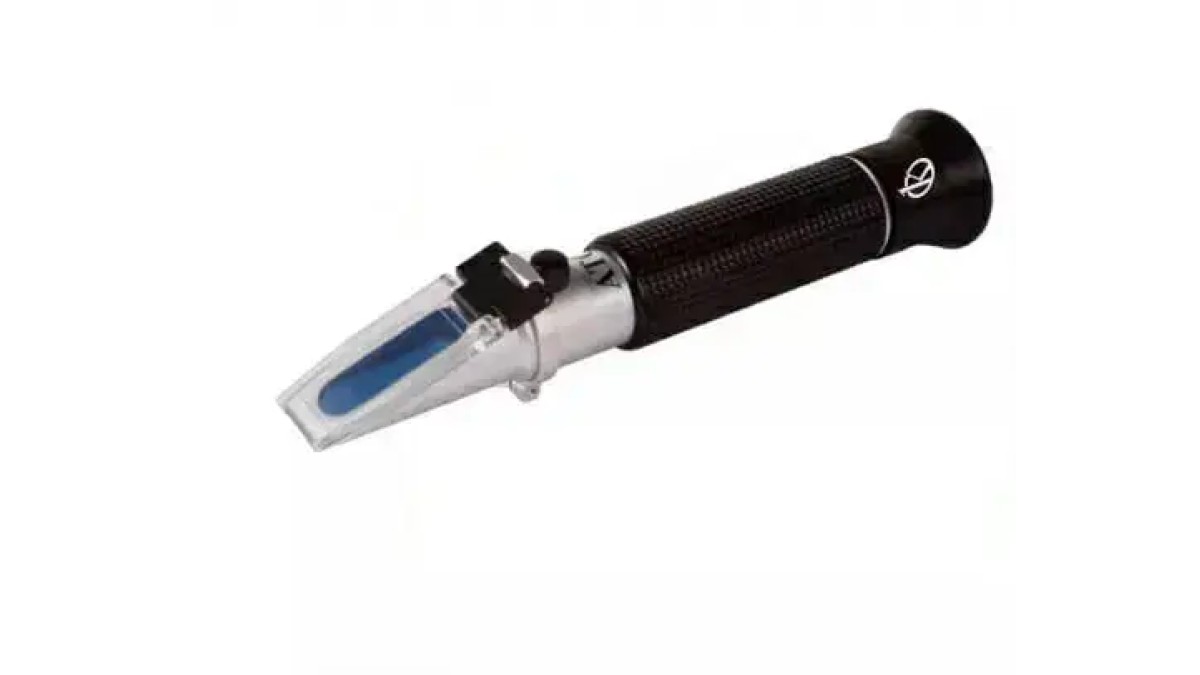
Car refractometers are essential tools used in laboratories for various applications related to automotive and coolant fluids. These devices allow accurate measurement of the refractive index of liquids, which can indicate concentration levels and freezing points, thus playing a crucial role in maintaining vehicle performance and safety. In this article, we will explore the practical applications, best practices, and techniques involved in using car refractometers effectively in clinical and hospital settings in 2026.
What is it used for in 2026
In 2026, car refractometers are primarily utilized in laboratories to assess the concentration of antifreeze solutions, windshield washer fluids, and coolant systems. By measuring the refractive index, these tools help in determining the antifreeze’s freezing point, ensuring that vehicles operate efficiently and safely under varying temperature conditions. Their applications extend to quality control processes in automotive industries and environmental testing, where the concentration of chemicals in wastewater or other fluids is critical.
History and evolution of the technology
Car refractometers have evolved significantly since their inception. Initially, these devices were used primarily in scientific research laboratories. Over the decades, advancements in optical technology and materials science have improved their accuracy and usability. The introduction of Automatic Temperature Compensation (ATC) has allowed modern refractometers to adjust readings based on temperature, providing more reliable results in real-time applications. Today, they are indispensable tools in both automotive and laboratory settings.
How to use it step by step
Using a car refractometer requires precision and attention to detail to ensure accurate results. Here’s a step-by-step guide:
- Preparation: Ensure the refractometer is clean and calibrated. Rinse the prism and cover with distilled water.
- Sample Collection: Collect a small sample of the liquid to be tested, ensuring no contamination occurs.
- Applying the Sample: Drop a few drops of the sample onto the refractometer’s prism.
- Reading the Measurement: Close the cover and look through the eyepiece. Note the reading where the boundary line crosses the scale.
- Adjust for Temperature: If applicable, adjust the reading based on the temperature indicated by ATC.
- Clean Up: Clean the prism again after use to maintain accuracy for future tests.
Best techniques and protocols
To achieve optimal results with car refractometers, follow these techniques and protocols:
- Regularly calibrate the device using standard solutions to ensure accuracy.
- Use distilled water for cleaning to avoid contamination of the prism.
- Maintain the refractometer at room temperature before use to reduce variability in readings.
- Consistently apply the same volume of liquid to the prism for each measurement to minimize errors.
Practical applications by laboratory type
The applications of car refractometers vary across different types of laboratories:
- Automotive Laboratories: Used for testing antifreeze concentration and ensuring vehicle safety.
- Environmental Laboratories: Assess chemical concentrations in fluids for environmental impact studies.
- Industrial Laboratories: Monitor coolant solutions in manufacturing processes to minimize equipment wear.
- Academic Laboratories: Used in educational settings to demonstrate principles of refractive index and fluid dynamics.
Regulations, standards and certifications
Car refractometers must comply with various regulations and standards to ensure their reliability and accuracy. Key certifications include ISO 9001 for quality management systems and ISO/IEC 17025 for laboratory testing. Understanding these regulations is crucial for laboratories to validate and document their testing procedures, ensuring that results are accepted by regulatory agencies and stakeholders.
Comparison with alternative technologies
While car refractometers are invaluable, alternative technologies exist, such as:
- Hydrometers: Useful for measuring liquid density, but less precise for small volume samples.
- Infrared Sensors: Effective for real-time monitoring of fluid properties but more expensive and complex.
- Digital Refractometers: Offer automated readings and data logging but may come at a higher cost.
Choosing the right technology depends on specific laboratory needs, including accuracy requirements and budget constraints.
Comparison of available models
| Model | Best for | Key specs | Recommended use case |
|---|---|---|---|
| YR05916 | Measuring freezing points of antifreeze solutions | Range: E:-60°C--0°C, P:-50°C-0°C, Min. Div: 0.01sg, ATC: Yes | Automotive coolant testing |
| YR05917 | Measuring concentrations of ethylene glycol | Range: E:-60°C--0°C, P:-50°C-0°C, Min. Div: 0.01sg, ATC: Yes | Laboratory quality control |
| YR05918 | Measuring freezing points in Fahrenheit scale | Range: E:-60°F-32°F, P:-50°F-32°F, Min. Div: 0.01sg, ATC: Yes | Environmental testing |
| YR05919 | General automotive fluid testing | Range: E:-60°C--0°C, P:-50°C-0°C, Min. Div: 0.01sg, ATC: Yes | Automotive industry diagnostics |
| YR05920 | Testing windshield washer fluids | Range: E:-60°C--0°C, P:-50°C-0°C, Min. Div: 0.01sg, ATC: Yes | Routine vehicle maintenance |
| YR05921 | Assessing coolant concentrations | Range: E:-60°C--0°C, P:-50°C-0°C, Min. Div: 0.01sg, ATC: Yes | Industrial coolant management |
Common mistakes and how to avoid them
Common mistakes in using car refractometers include:
- Not Calibrating: Always calibrate with standard solutions before each use.
- Ignoring Temperature Effects: Account for temperature variations to ensure accurate readings.
- Contaminating the Prism: Clean the prism thoroughly between tests to avoid cross-contamination.
- Improper Sample Size: Use the correct volume of liquid to ensure reliable results.
By being aware of these mistakes and taking preventive measures, users can significantly enhance the accuracy and reliability of their measurements.
Maintenance, calibration and good practices 2026
Proper maintenance and calibration are essential for the longevity and accuracy of car refractometers:
- Regularly clean the prism and cover with distilled water.
- Calibrate the refractometer at least once a month or before critical measurements.
- Store the device in a protective case to avoid dust and physical damage.
- Check the battery if using a digital model to ensure functionality.
Implementing these practices will ensure that your refractometer remains functional and accurate throughout its lifespan.
Cost-benefit analysis 2026
The cost-benefit analysis of car refractometers in 2026 reflects their importance in laboratory settings:
- Initial Investment: The cost of a car refractometer ranges from affordable to moderately expensive depending on features.
- Long-term Savings: Accurate measurements can prevent costly mistakes in automotive maintenance and fluid management.
- Labor Efficiency: Streamlined testing processes save time and increase productivity in labs.
- Quality Assurance: Maintaining product quality through regular testing enhances brand reputation and customer trust.
Considering these factors, investing in a car refractometer can yield significant returns in both financial and operational efficiency.
Frequently asked questions
How do I choose the right car refractometer for my laboratory?
Choosing the right car refractometer depends on your specific testing needs, such as the range of fluids you will measure and the required accuracy. Consider models with Automatic Temperature Compensation for added reliability.
Can car refractometers be used for non-automotive applications?
Yes, while primarily designed for automotive fluids, car refractometers can also be used in environmental testing to measure concentrations of various solutions.
What is the significance of Automatic Temperature Compensation?
Automatic Temperature Compensation adjusts the readings based on the temperature of the sample, ensuring accuracy and reliability across different conditions.
How often should I calibrate my refractometer?
You should calibrate your refractometer at least once a month or before conducting critical measurements to ensure accurate readings.
What are the common errors when using a refractometer?
Common errors include improper calibration, contamination of the prism, and not accounting for temperature variations. Proper training and following best practices can help avoid these errors.
Is it necessary to clean the refractometer after each use?
Yes, cleaning the refractometer after each use is crucial to prevent contamination and ensure accurate measurements for future tests.
Where can I find high-quality car refractometers?
You can find high-quality car refractometers through specialized suppliers and manufacturers that focus on laboratory equipment.
If you are looking for a fusion of innovation and quality, you have come to the right place. At Kalstein, we offer you the luxury of exploring our exclusive catalog of laboratory equipment. We manufacture every device to the highest standards of excellence. Our intuitive and seamless online purchasing channels are designed for your convenience, securing the most competitive prices. Hesitate no longer — we bring science to life, it is time to become part of our community.