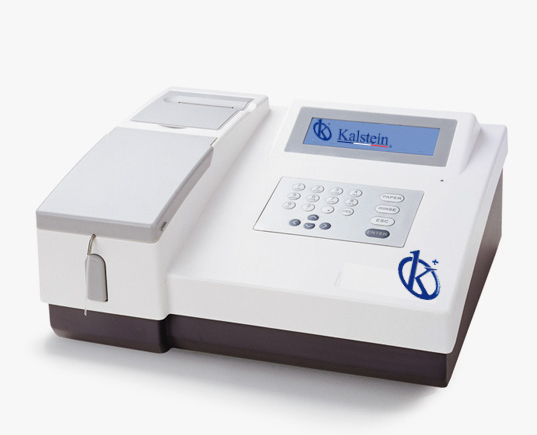
Chemical Analyzers: ROI and Cost-Benefit Analysis for the Lab 2026
In today's competitive laboratory environment, choosing the right analytical equipment is crucial not only for efficiency but also for financial viability. This article focuses on the ROI and cost-benefit analysis for various chemical analyzers available in 2026. These instruments play a vital role in laboratories, helping professionals achieve precise results while managing costs effectively. By comparing multiple models, this analysis provides valuable insights into which chemical analyzer could best serve your laboratory's needs.
Understanding ROI in Chemical Analyzers
Return on investment (ROI) is an essential metric for laboratories to assess the financial return from their equipment purchases. When considering chemical analyzers, ROI encompasses direct costs such as purchase price, maintenance, and operating expenses, alongside the expected output in terms of efficiency and accuracy. For 2026, it is essential to analyze these factors thoroughly to ensure that the investments made align with the laboratory's goals.
Cost-Benefit Analysis for Chemical Analyzers
A cost-benefit analysis offers a systematic approach to evaluate the financial implications of acquiring a chemical analyzer. This assessment takes into account the initial capital expenditure (CAPEX) versus ongoing operational expenditures (OPEX), depreciation, cost per test, and the expected payback period. For laboratories in 2026, having this analysis lays the groundwork for informed decision-making regarding their analytical equipment purchases.
Comparison of Available Models
| Model | CAPEX (USD) | Cost per Test (USD) | Payback Period (Months) | Recommended Scenario |
|---|---|---|---|---|
| YR05115 | 800.00 | 2.00 | 12 | Small labs, occasional use |
| YR05114 | 950.00 | 2.50 | 15 | Small to medium labs |
| YR06092 | 150.00 | 1.50 | 10 | Field testing environments |
| YR06075 | 12500.00 | 5.00 | 6 | High-demand labs |
| YR05116 | 1300.00 | 3.00 | 14 | Mid-sized labs, diverse testing |
| YR06078 | 1100.00 | 2.75 | 13 | Compact lab setups |
Common Mistakes and How to Avoid Them
Many laboratories make common mistakes when selecting chemical analyzers, such as neglecting to conduct a thorough ROI analysis or failing to account for ongoing maintenance costs. It's vital to evaluate each model's long-term financial impact rather than only focusing on the initial purchase price. Additionally, not considering the specific testing needs of the lab can lead to underutilized equipment. Therefore, laboratories should engage in comprehensive analyses and consult with experts to avoid these pitfalls.
Strategies to Maximize ROI
To ensure optimal ROI from chemical analyzers, laboratories should consider strategies such as regular maintenance, staff training, and efficient sample batching. For instance, the YR06075 model, with its high throughput capability of 560 tests per hour, can significantly enhance lab efficiency and reduce the cost per test. Implementing a systematic approach to testing protocols and leveraging automation can also provide substantial returns on investment.
Future Trends in Chemical Analyzers
As technology advances, the chemical analyzer market is evolving. In 2026, we can anticipate increased integration of Artificial Intelligence (AI) and machine learning algorithms to improve accuracy and predictive maintenance. These innovations can help laboratories minimize downtime and enhance their overall operational efficiency. Keeping an eye on these trends can assist laboratories in making informed decisions regarding future investments.
Energy Consumption and Sustainability Considerations
In light of global sustainability efforts, energy consumption and waste reduction are becoming more critical in laboratory settings. Analyzers with lower energy requirements can significantly impact operational costs. For example, considering the energy profile of models like the YR06092, which consumes less power, can lead to substantial savings while supporting the lab's sustainability goals. Laboratories should prioritize equipment that contributes to reduced energy footprints without compromising performance.
Frequently Asked Questions
What is the expected ROI for a YR06075 chemistry analyzer in high-demand labs?
The YR06075 can provide a quick return on investment due to its capacity to perform 560 tests per hour. With a CAPEX of $12,500 and expected operational efficiencies, many labs report a payback period as short as six months.
How do operational costs compare between different models of chemical analyzers?
Operational costs vary significantly across models. For instance, the YR05115 has a cost per test of $2.00, while the YR06075 has a higher cost per test of $5.00, reflecting its high throughput and advanced capabilities.
Which chemical analyzer is best for small laboratory setups in 2026?
The YR06092 is ideal for small setups, with a low price of $150 and compact size. Its efficient heating capabilities make it perfect for labs needing flexibility without a hefty investment.
How can labs ensure compliance with industry standards while using chemical analyzers?
Labs can maintain compliance by selecting models like the YR05116, which supports a wide range of tests and has features to ensure accuracy and reliability, thereby meeting industry standards.
What are the maintenance requirements for chemical analyzers in 2026?
Models like the YR06075 require regular maintenance checks to ensure peak performance. Preventive maintenance should be scheduled quarterly to keep results consistent and minimize downtime.
What factors influence the cost per test of chemistry analyzers?
Factors such as the analyzer's operational efficiency, reagent costs, and consumption rates significantly influence the cost per test. For example, the YR05114 has a cost per test of $2.50, influenced by its design and testing capabilities.
How do different models of chemical analyzers support sustainability?
Sustainability is supported through energy-efficient designs and lower reagent consumption. The YR06092, for instance, is compact and energy-efficient, contributing to reduced operational costs and environmental impact.
What role do training and user proficiency play in maximizing the utility of chemical analyzers?
Proper training significantly enhances the efficiency and accuracy of chemical analyzers like the YR06078. Well-trained staff can optimize testing protocols and minimize errors, ultimately leading to better ROI.
If you are looking for a fusion of innovation and quality, you have come to the right place. At Kalstein, we offer you the luxury of exploring our exclusive catalog of laboratory equipment. We manufacture every device to the highest standards of excellence. Our intuitive and seamless online purchasing channels are designed for your convenience, securing the most competitive prices. Hesitate no longer — we bring science to life, it is time to become part of our community.