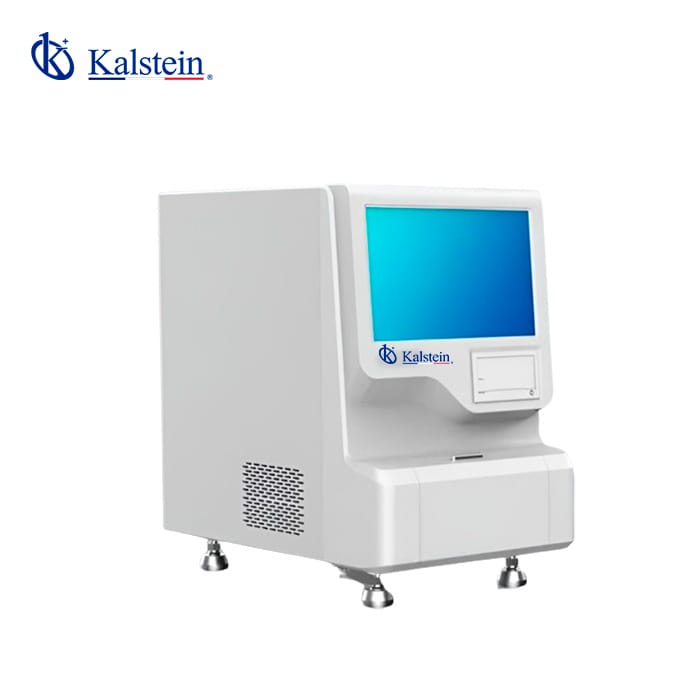
Chemiluminescent Immunoassay Analyzers: Real Applications in Clinical and Hospital Laboratories 2026
What is it used for in 2026
Chemiluminescent immunoassay analyzers are vital tools in modern clinical and hospital laboratories, offering rapid and accurate diagnostic testing. These analyzers utilize chemiluminescent reactions to quantify various biomarkers in biological samples, making them essential for diagnosing diseases, monitoring health conditions, and conducting research. In 2026, the applications of these analyzers have expanded greatly, encompassing areas such as infectious disease testing, hormonal assays, tumor markers, and autoimmune disease detection.
History and evolution of the technology
The technology behind chemiluminescent immunoassays has evolved significantly since its inception. Initially developed in the early 1980s, the first analyzers relied on manual processes that were both time-consuming and prone to human error. Over the years, advancements in automation, microfluidics, and detection technologies have transformed these analyzers into fully automated systems capable of delivering high-throughput testing with minimal human intervention. Today, they are recognized for their sensitivity, specificity, and efficiency in laboratory workflows.
How to use it step by step
Using a chemiluminescent immunoassay analyzer involves several key steps, ensuring accurate and reliable results:
- Sample Preparation: Collect and prepare biological samples such as serum, plasma, or whole blood according to established protocols.
- Calibration: Calibrate the analyzer using appropriate calibration standards to ensure measurement accuracy.
- Loading Samples: Load the prepared samples into the analyzer, ensuring that they are correctly placed in the designated positions.
- Running Assays: Initiate the assay program on the analyzer, selecting the appropriate test type and parameters.
- Data Analysis: Once the assay is complete, analyze the results using the built-in software, which will provide quantitative data on the analytes of interest.
- Result Reporting: Generate and review reports, ensuring that all results meet quality control standards before dissemination to healthcare providers.
Best techniques and protocols
To achieve optimal results with chemiluminescent immunoassay analyzers, laboratory professionals should adhere to established techniques and protocols:
- Ensure strict adherence to sample handling protocols to avoid contamination.
- Implement regular maintenance schedules for the analyzers to ensure functionality and accuracy.
- Utilize appropriate controls and calibrators specific to each assay.
- Train personnel adequately on the operation of the analyzers and interpretation of results.
- Regularly review and update laboratory protocols based on the latest guidelines and technological advancements.
Practical applications by laboratory type
Chemiluminescent immunoassay analyzers find applications across various laboratory settings:
- Clinical Laboratories: Used for routine diagnostic testing, including hormone levels, infectious diseases, and metabolic panels.
- Hospital Laboratories: Essential in emergency departments for rapid testing of critical biomarkers, aiding in quick decision-making.
- Research Laboratories: Employed in clinical research studies to investigate new biomarkers and therapeutic targets.
Regulations, standards and certifications
In 2026, compliance with regulations and standards is crucial for the operation of chemiluminescent immunoassay analyzers:
- All analyzers must comply with the guidelines set forth by the FDA and CLIA (Clinical Laboratory Improvement Amendments).
- Regular audits and inspections are necessary to maintain accreditation from recognized bodies such as ISO and CAP (College of American Pathologists).
Comparison with alternative technologies
When comparing chemiluminescent immunoassay analyzers with alternative technologies, several factors come into play:
- Enzyme-Linked Immunosorbent Assay (ELISA): Traditionally used but often requires multiple steps and manual handling, leading to longer turnaround times.
- Radioimmunoassay (RIA): Offers high sensitivity but poses safety concerns due to radioactive materials.
- Fluorescent Immunoassays: Provide rapid results but may lack the sensitivity and specificity of chemiluminescent methods.
Comparison of available models
| Model | Best for | Key specs | Recommended use case |
|---|---|---|---|
| YR06387 | High-volume clinical testing | Spectrum: 300-650 nm, Weight: 45 kg, Dimensions: 320 mm x 550 mm x 550 mm | Ideal for environments requiring flexibility and efficiency. |
| YR06388 | Emergency testing | Spectrum: 300-650 nm, Weight: 55 kg, Dimensions: 520 mm x 550 mm x 550 mm | Suitable for urgent testing with dual camera functionality. |
| YR06389 | Outpatient inspections | Speed: 120T/h, Results in 15 min | Excellent for high-demand testing environments. |
| YR06390 | Clinical diagnostics | Speed: 220 T/h, Results in 15 min | Best for labs needing rapid and reliable results. |
| YR06710 | Small spaces | Compact size, Weight: approx. 109 kg | Perfect for limited space environments like emergency departments. |
Common mistakes and how to avoid them
To ensure effective use of chemiluminescent immunoassay analyzers, laboratories should be aware of common pitfalls:
- Ignoring Calibration: Regular calibration is essential; failure to do so can lead to inaccurate results.
- Inadequate Training: Ensure all personnel are properly trained to minimize errors in operation.
- Neglecting Quality Control: Implement strict quality control measures to validate assay performance consistently.
Maintenance, calibration and good practices 2026
Routine maintenance and calibration are crucial to the longevity and accuracy of chemiluminescent immunoassay analyzers. Recommended practices include:
- Schedule regular maintenance checks based on manufacturer guidelines.
- Calibrate analyzers daily or before critical testing periods.
- Keep detailed logs of maintenance and calibration activities for compliance purposes.
Cost-benefit analysis 2026
The investment in chemiluminescent immunoassay analyzers can yield significant benefits, including:
- Increased throughput and efficiency, reducing overall operational costs.
- Improved patient outcomes through faster and more accurate diagnostics.
- Flexibility in testing, allowing laboratories to adapt to changing demands.
Frequently asked questions
What should I consider when choosing a chemiluminescent immunoassay analyzer?
Consider factors such as the analyzer's throughput, the range of assays it can perform, ease of use, footprint, and support services from the manufacturer.
How often should calibration be performed?
Calibration should be performed at least daily or before any significant testing event to ensure result accuracy.
What types of samples can be analyzed?
Chemiluminescent immunoassay analyzers can process a variety of biological samples, including whole blood, serum, and plasma.
Are these analyzers suitable for emergency departments?
Yes, many models are designed for rapid testing, making them ideal for emergency and critical care settings.
What are the common maintenance tasks required?
Regular tasks include cleaning, calibration, software updates, and checking the functionality of all components.
How can I ensure compliance with regulatory standards?
Maintain thorough documentation, adhere to quality control protocols, and conduct regular internal audits.
What are the benefits of using chemiluminescent immunoassay analyzers over other methods?
They offer higher sensitivity, faster results, and automation capabilities, significantly improving laboratory efficiency and diagnostic accuracy.
If you are looking for a fusion of innovation and quality, you have come to the right place. At Kalstein, we offer you the luxury of exploring our exclusive catalog of laboratory equipment. We manufacture every device to the highest standards of excellence. Our intuitive and seamless online purchasing channels are designed for your convenience, securing the most competitive prices. Hesitate no longer — we bring science to life, it is time to become part of our community.