Chest Freezers: Applications and Best Practices in 2026
What is it used for in 2026
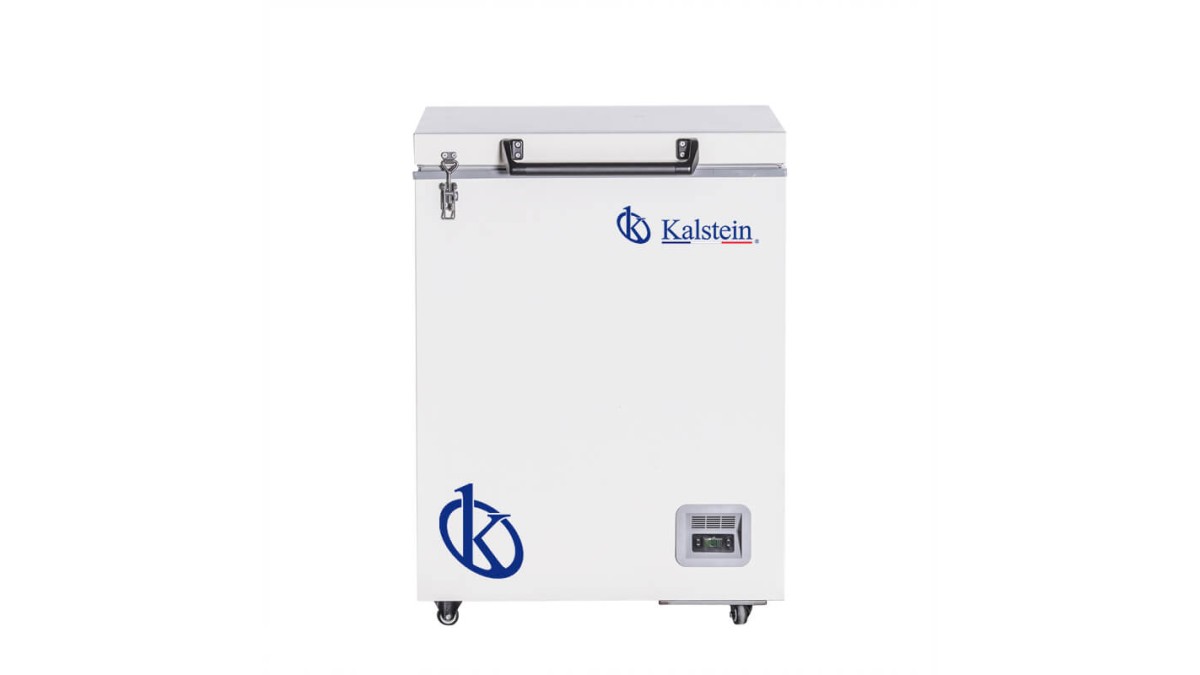
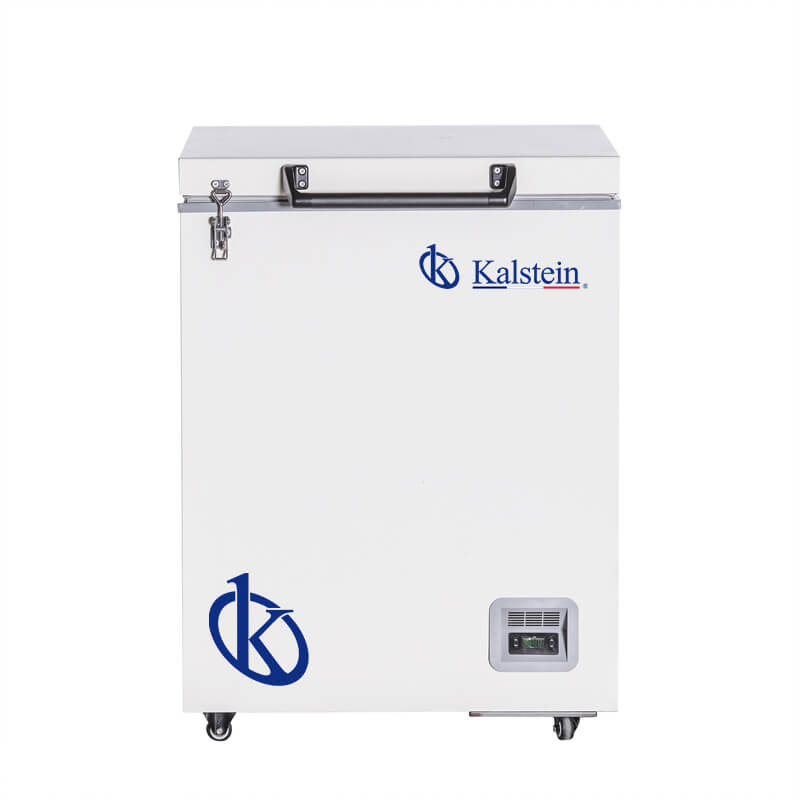
Chest freezers are integral to laboratory environments, particularly in fields that require the long-term preservation of biological samples, vaccines, and sensitive materials. In 2026, these freezers play a crucial role in biomedical research, clinical laboratories, and pharmaceutical storage, enabling professionals to maintain sample integrity by operating at ultra-low temperatures. The versatility of chest freezers makes them suitable for various applications including but not limited to storing biological specimens, pharmaceuticals, and laboratory reagents.
History and evolution of the technology
The technology behind chest freezers has evolved significantly over the decades. Initially, refrigeration relied on mechanical systems without precise temperature control. With advancements in thermodynamic principles and materials science, modern chest freezers now utilize microprocessor-controlled systems that provide precise and adjustable temperature settings. The introduction of environmentally friendly refrigerants, such as R290, has further propelled the development of energy-efficient models that meet today's rigorous environmental standards.
How to use it step by step
Using a chest freezer effectively involves several key steps:
- Placement: Ensure proper placement in a well-ventilated area away from heat sources.
- Temperature Setting: Set the temperature according to the specific requirements of the materials being stored.
- Loading: Allow the unit to stabilize at the set temperature before loading samples to avoid temperature fluctuations.
- Organization: Use bins or racks to organize samples within the freezer for easy access and inventory management.
- Monitoring: Regularly check temperature readings and alarms to ensure the freezer is functioning correctly.
- Regular Maintenance: Schedule routine maintenance to clean and check the unit for any issues.
Best techniques and protocols
When using chest freezers, following best practices is essential for optimal performance:
- Temperature Control: Regularly calibrate the temperature settings and ensure that readings are accurate.
- Minimize Open Time: Limit the time the freezer door is open to maintain stable internal temperatures.
- Document Storage Conditions: Keep detailed logs of temperature settings and any incidents that may affect sample integrity.
- Use of Alerts: Utilize alarm systems to notify users of any temperature deviations.
Practical applications by laboratory type
Different laboratory types utilize chest freezers according to their specific needs:
- Biomedical Laboratories: Store vaccines, blood samples, and genetic material requiring ultra-low temperatures.
- Pharmaceutical Companies: Maintain conditions necessary for drug storage and research.
- Clinical Laboratories: Preserve laboratory samples for testing and research purposes.
Regulations, standards and certifications
Adhering to regulations is vital when operating chest freezers:
- FDA Regulations: Ensure compliance with guidelines for the storage of biological materials.
- ISO Standards: Follow ISO 9001 for quality management systems in laboratory practices.
- Environmental Standards: Utilize freezers that comply with environmental regulations regarding refrigerants.
Comparison with alternative technologies
When choosing storage solutions, it’s important to compare chest freezers with alternative technologies such as upright freezers and cryogenic storage systems:
- Chest Freezers: Provide more storage space and better thermal retention but may require more floor space.
- Upright Freezers: Easier access and organization but typically have less storage capacity.
- Cryogenic Systems: Ideal for extreme low temperatures but more expensive and complex to operate.
Comparison of available models
| Model | Best for | Key specs | Recommended use case |
|---|---|---|---|
| YR05102 | General laboratory storage | 1.65 kWh/23h, -10 to -40 °C | Storing biological samples at normal ultra-low temperatures. |
| YR05103 | Medium laboratory storage | 1.68 kWh/23h, -10 to -40 °C | Suitable for pharmaceuticals requiring consistent low temperatures. |
| YR05104 | High-capacity storage | 3.45 kWh/23h, -20 to -40 °C | Ideal for large quantities of biological materials. |
| YR05314 | Ultra-low storage | 11.5 kWh/24h, -40 to -86 °C | Perfect for storing sensitive biological substances. |
| YR05313 | Small sample storage | 3.8 kWh/24h, -40 to -86 °C | Great for labs with limited space needing ultra-low temperatures. |
| YR05315 | Biomedical storage | 3.2 kWh/24h, -25 to -60 °C | Optimal for storing vaccines and sensitive biological samples. |
Common mistakes and how to avoid them
Laboratory professionals often make common errors when using chest freezers:
- Ignoring Temperature Logs: Always maintain and review temperature logs to catch any fluctuations.
- Overloading the Freezer: Avoid placing too many items in the freezer as it can hinder air circulation.
- Neglecting Maintenance: Schedule regular maintenance checks to ensure the freezer operates efficiently.
Maintenance, calibration and good practices 2026
Proper maintenance is essential for longevity and reliability:
- Regular Cleaning: Keep the interior clean to prevent contamination.
- Calibration: Calibrate the temperature settings at regular intervals to ensure accuracy.
- Monitor Performance: Use performance monitoring systems to detect any deviations early.
Cost-benefit analysis 2026
When investing in chest freezers, consider the long-term cost-effectiveness:
- Initial Costs: Evaluate the upfront costs versus the expected lifespan and reliability of the models.
- Energy Efficiency: Opt for models with lower energy consumption to reduce running costs.
- Value of Stored Samples: Remember that the cost of losing valuable samples far outweighs the investment in quality freezers.
Frequently asked questions
What is the ideal temperature for storing biological samples?
The ideal temperature for storing biological samples typically ranges from -20 °C to -86 °C depending on the specific requirements of the materials being stored.
How often should I check the temperature of my chest freezer?
It is recommended to check the temperature of your chest freezer at least once a week and maintain a log for monitoring.
What should I do if the alarm goes off?
Immediately check the temperature setting and inspect for any power or mechanical issues. Follow your facility's protocol for addressing alarms.
Can I store vaccines in a standard chest freezer?
For vaccines, it is crucial to use a freezer designed for ultra-low temperatures, as standard freezers may not maintain the required conditions for vaccine stability.
What maintenance is required to keep a chest freezer in good condition?
Regular cleaning, monitoring temperature, and scheduling professional servicing are essential for maintaining your chest freezer.
Are there any energy-efficient models available?
Yes, many modern chest freezers are designed to be energy efficient, incorporating features that reduce power consumption while maintaining optimal performance.
How can I request a quote for a chest freezer?
To request a quote, visit our website where you can fill out a form for your specific requirements, and our team will provide you with a tailored proposal.
If you are looking for a fusion of innovation and quality, you have come to the right place. At Kalstein, we offer you the luxury of exploring our exclusive catalog of laboratory equipment. We manufacture every device to the highest standards of excellence. Our intuitive and seamless online purchasing channels are designed for your convenience, securing the most competitive prices. Hesitate no longer — we bring science to life, it is time to become part of our community.