COD/BOD Analyzers: LIMS Integration and Data Flow Digitalization 2026
In the evolving landscape of laboratory technology, COD (Chemical Oxygen Demand) and BOD (Biochemical Oxygen Demand) analyzers are not only crucial for environmental testing but also pivotal in integrating with Laboratory Information Management Systems (LIMS) and digitalizing data flows. This article delves into the functionalities of various models available in 2026, focusing on their capabilities to enhance laboratory workflows through seamless data integration and automation.
Understanding COD and BOD Analyzers in the Context of LIMS Integration
As laboratories strive for greater efficiency and accuracy, the integration of COD and BOD analyzers with LIMS becomes essential. These analyzers measure the amount of organic compounds in water, providing critical data for environmental monitoring and water quality assessments. By integrating with LIMS, laboratories can automate data collection, enhance traceability, and streamline reporting processes, thereby reducing human error and improving turnaround times.
Key Features of COD/BOD Analyzers for Effective Data Digitalization
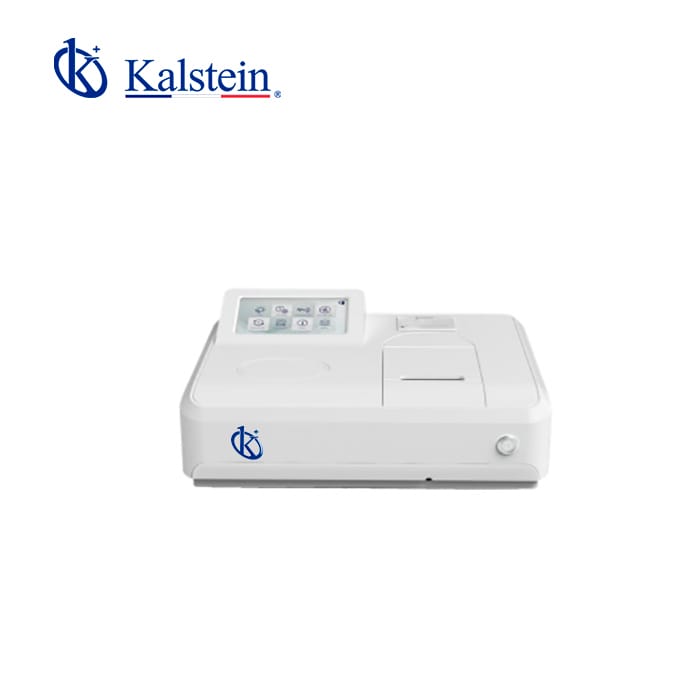
Modern COD and BOD analyzers come equipped with advanced features that facilitate data digitalization. For instance, analyzers like the COD Analyzer YR06295 feature a high-resolution touchscreen interface, making data entry and retrieval effortless. Integration capabilities allow for direct data export to LIMS, eliminating manual entry and ensuring that data is up-to-date and easily accessible. Moreover, these devices often support various connectivity protocols to enhance compatibility with existing laboratory systems.
Comparison of Available Models
| Model | Connectivity | Supported Protocols | Integration Effort | Best For |
|---|---|---|---|---|
| YR06295 | USB | Custom API | Moderate | Fixed Laboratory Settings |
| YR06296 | Micro USB | Custom API | Low | Field Use |
| YR06297 | LAN | HL7 | High | Automated Laboratories |
| YR06298 | USB | Custom API | Moderate | Multi-Parameter Testing |
Common Mistakes and How to Avoid Them
When integrating COD/BOD analyzers within a LIMS, laboratories often encounter pitfalls that can hinder data flow efficiency. A common mistake is neglecting proper calibration of the instruments, which can lead to inaccurate readings and unreliable data. Additionally, insufficient training on the LIMS and analyzer functionalities can result in underutilization of important features. To avoid these issues, laboratories should implement a thorough training program for users and establish a regular calibration schedule to ensure that all instruments function correctly.
LIMS Integration Challenges and Solutions
Despite the advantages, integrating COD/BOD analyzers into a LIMS can pose several challenges. One significant challenge is compatibility with existing systems, as laboratories may use diverse software solutions. To overcome this, it is essential to evaluate the integration capabilities of each analyzer before purchase. Additionally, conducting a pilot integration test can help identify potential issues early in the process.
Impact of LIMS Integration on Laboratory Productivity
The integration of COD and BOD analyzers with LIMS significantly enhances laboratory productivity. Automation of data entry reduces the time spent on manual tasks, allowing laboratory personnel to focus on more critical analytical processes. Furthermore, the ability to access real-time data improves decision-making capabilities, leading to faster response times in addressing water quality issues.
Future Trends in COD/BOD Analysis and Digitalization
As technology continues to advance, the future of COD and BOD analysis will likely see further digitalization and miniaturization of devices. Emerging trends include the development of portable analyzers, like the COD Analyzer Portable YR06296, which facilitates on-site testing. Additionally, the use of artificial intelligence and machine learning in data analysis could enhance predictive capabilities and trend analysis in environmental monitoring.
Frequently Asked Questions
What are the benefits of integrating COD analyzers with LIMS in 2026?
Integrating COD analyzers like the YR06295 with LIMS offers numerous benefits, including enhanced data accuracy, reduced manual errors, and streamlined reporting processes. This integration supports real-time data access, allowing laboratories to respond quickly to compliance issues and improve overall operational efficiency.
How can I ensure proper calibration of my BOD analyzer in compliance with standards?
To ensure proper calibration of the BOD Analyzer YR06297, laboratories should establish a regular calibration schedule following ISO/IEC 17025 standards. This involves using traceable calibration materials and maintaining detailed records of all calibration activities to ensure compliance and accuracy in testing results.
Which portable COD analyzers are best for field testing in 2026?
The COD Analyzer Portable YR06296 is an excellent choice for field testing due to its lightweight design and battery operation. This model's IP54 rating ensures durability in various outdoor environments, making it ideal for on-site water quality assessments in diverse conditions.
What data integration protocols should I look for in a BOD analyzer?
When selecting a BOD analyzer, look for models like YR06297 that support LIMS integration through protocols such as HL7 and custom APIs. These protocols facilitate seamless data transfer and integration with existing laboratory systems, enhancing overall workflow efficiency.
How does digitalization improve data management in laboratories?
Digitalization improves data management in laboratories by automating data collection and reducing reliance on manual entry. Analyzers such as the COD Analyzer YR06295 allow for direct data export to LIMS, enhancing traceability and ensuring that laboratory data is accurate and readily available for analysis and reporting.
What are the key features to consider in COD/BOD analyzers for LIMS integration?
Key features to consider include connectivity options, supported protocols, ease of use, and compatibility with existing LIMS. Models like YR06298 offer a wide range of connectivity options and user-friendly interfaces, making them suitable for efficient integration and maximizing laboratory productivity.
How much does it cost to implement a LIMS-integrated COD analyzer in 2026?
The cost of implementing a LIMS-integrated COD analyzer varies based on the model and integration complexity. For instance, the YR06295 is priced at approximately $600. Additional costs may include software licenses and training for users, which should be factored into the overall budget.
Conclusion and Call to Action
If you are looking for a fusion of innovation and quality, you have come to the right place. At Kalstein, we offer you the luxury of exploring our exclusive catalog of laboratory equipment. We manufacture every device to the highest standards of excellence. Our intuitive and seamless online purchasing channels are designed for your convenience, securing the most competitive prices. Hesitate no longer — we bring science to life, it is time to become part of our community.