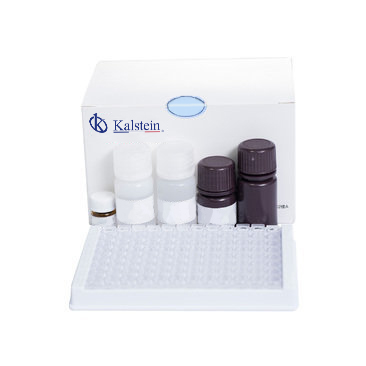
Common Mistakes and How to Avoid Them in Daily Operations of Clinical Chemistry Reagents 2026
In the realm of laboratory diagnostics, Clinical Chemistry Reagents play a pivotal role. These reagents are crucial for various biochemical analyses that assist in diagnosing and monitoring medical conditions. However, despite their importance, laboratory professionals often encounter a variety of challenges during their daily operations. This article aims to provide insights into common mistakes and how to avoid them, ensuring optimal performance and accuracy in lab results.
What is it used for in 2026
In 2026, Clinical Chemistry Reagents are primarily used for analyzing various biochemical substances in biological samples. These reagents help determine chemical content related to:
- Hepatic function
- Myocardial enzyme indices
- Renal function
- Electrolyte levels in blood gases
By providing reliable results, these reagents are indispensable in both clinical and research settings, allowing healthcare professionals to make informed decisions regarding patient care.
History and evolution of the technology
The technology behind Clinical Chemistry Reagents has evolved significantly over the years. Initially, biochemical analyses relied on basic chemical reactions observed visually or with rudimentary instruments. However, advancements in technology have led to the development of highly specific reagents that yield precise and reproducible results. Innovations in production methods and formulation science have enhanced the reliability of these reagents, making them suitable for diverse laboratory settings.
How to use it step by step
Using Clinical Chemistry Reagents effectively involves the following steps:
- Sample Collection: Collect samples following standardized protocols to avoid contamination.
- Reagent Preparation: Prepare the reagents as per the manufacturer’s instructions. Ensure all reagents are at the correct temperature.
- Instrument Calibration: Calibrate the analytical instrument to ensure accuracy and precision.
- Running Assays: Introduce the prepared sample and reagents into the instrument, following the specified protocol for each biochemical analysis.
- Result Interpretation: Analyze and interpret the results based on established reference ranges.
- Documentation: Maintain accurate logs of results for future reference and regulatory compliance.
Best techniques and protocols
Best practices for utilizing Clinical Chemistry Reagents include:
- Adhering strictly to the manufacturer’s protocols for each reagent.
- Ensuring regular maintenance and calibration of analytical instruments.
- Implementing quality control measures to validate test results consistently.
- Training personnel thoroughly on the use of reagents and equipment to minimize human error.
Practical applications by laboratory type
Different laboratory environments apply Clinical Chemistry Reagents in various ways:
- Clinical Laboratories: Focus on routine analyses for diagnostics.
- Research Laboratories: Use specialized reagents for experimental studies.
- Hospital Laboratories: Conduct emergency tests for rapid diagnosis.
Regulations, standards and certifications
Compliance with regulations such as CLIA (Clinical Laboratory Improvement Amendments) and ISO (International Organization for Standardization) standards is crucial. These regulations ensure that laboratories maintain high-quality testing standards and that reagents used meet safety and reliability criteria. Certifications from recognized bodies also enhance the credibility of laboratory operations.
Comparison with alternative technologies
While Clinical Chemistry Reagents remain a cornerstone of laboratory diagnostics, alternative technologies such as point-of-care testing and biosensors are emerging. These technologies offer rapid results and the convenience of testing outside traditional laboratory settings. However, they may lack the specificity and reliability offered by traditional reagents, particularly in complex biochemical analyses.
Comparison of available models
| Model | Best for | Key specs | Recommended use case |
|---|---|---|---|
| YRA1 | ALT testing | R1:48ml x2, R2:12ml x2, 120ml | Hepatic function analysis |
| YRA2 | AST testing | R1:48ml x2, R2:12ml x2, 120ml | Assessment of liver function |
| YRA3 | GGT testing | R1:48ml x2, R2:16ml x2, 128ml | Monitoring liver health |
| YRA4 | Albumin testing | R:20ml x8, 160ml | Assessment of liver and kidney function |
| YRA5 | Bilirubin testing | R1:48ml x2, R2:12ml x2, 120ml | Monitoring jaundice and liver function |
| YRA6 | Bilirubin testing | R1:48ml x2, R2:12ml x2, 120ml | Clinical evaluations of liver function |
Common mistakes and how to avoid them
The operation of Clinical Chemistry Reagents can lead to several common mistakes, including:
- Improper storage: Always store reagents according to the manufacturer's guidelines to maintain their efficacy.
- Incorrect dilution: Following proper dilution protocols is critical for accurate results.
- Failure to calibrate instruments: Regular calibration is essential to ensure measurement accuracy.
- Inadequate quality control: Implement strict quality control protocols to catch errors early.
Maintenance, calibration and good practices 2026
Maintenance of Clinical Chemistry Reagents involves:
- Regularly checking reagent expiration dates and discarding outdated reagents.
- Calibrating instruments before each use to ensure precision.
- Cleaning work surfaces and instruments meticulously to avoid contamination.
- Training staff on best practices to uphold laboratory standards.
Cost-benefit analysis 2026
When considering the investment in Clinical Chemistry Reagents, one must weigh the costs against the benefits. While initial costs may seem high, the reliability and accuracy of results provided by these reagents can lead to significant savings in time and resources. Enhanced patient outcomes and reduced error rates further justify the investment in quality reagents.
Frequently asked questions
What are the most common issues faced while using Clinical Chemistry Reagents?
Common issues include reagent degradation due to improper storage, incorrect handling techniques, and instrument calibration errors. Addressing these issues through proper training and adherence to protocols is essential.
How do I determine which reagent to use for a specific test?
Refer to the manufacturer's specifications and guidelines for each reagent. They typically provide details on the specific tests each reagent is designed for and the best practices for usage.
What are the key signs that a reagent has expired?
Signs include changes in color, precipitation, or inconsistency in test results. Always check the expiration date and perform quality control checks as part of routine lab practices.
How often should I calibrate my instruments for Clinical Chemistry analysis?
Calibration should be performed before each use or at least daily if used frequently. Regular intervals may also be specified by the manufacturer based on the specific equipment used.
Can I use reagents beyond their expiration date?
No, using reagents beyond their expiration date is not recommended as it may lead to inaccurate results which can affect patient care.
What protocols should be followed for reagent storage?
Reagents should be stored at the temperatures specified by the manufacturer, away from direct light, and in conditions that minimize contamination risks.
How can I ensure consistent results in my laboratory?
Implement strict quality control measures, ensure proper training for staff, and maintain a consistent workflow with standardized protocols for all procedures.
If you are looking for a fusion of innovation and quality, you have come to the right place. At Kalstein, we offer you the luxury of exploring our exclusive catalog of laboratory equipment. We manufacture every device to the highest standards of excellence. Our intuitive and seamless online purchasing channels are designed for your convenience, securing the most competitive prices. Hesitate no longer — we bring science to life, it is time to become part of our community.