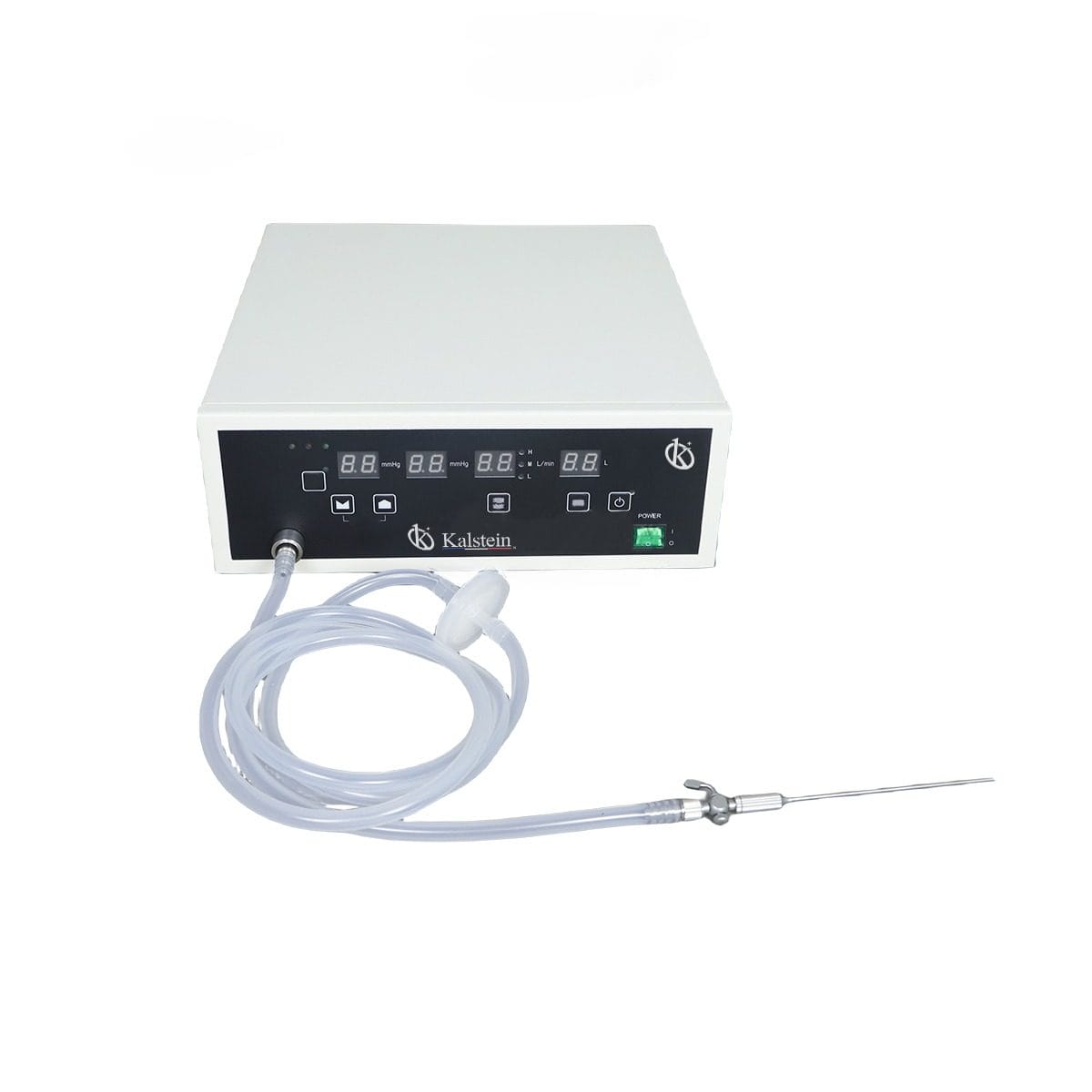
Comparative Analysis of Veterinary Laparoscopy Systems: Choosing the Best Option
The field of veterinary surgery has seen significant advancements with the integration of laparoscopy, enabling less invasive procedures and improved patient outcomes. Veterinary laparoscopy systems are crucial for veterinarians looking to enhance their surgical capabilities. This article delves into a comparative analysis of different models within this category, focusing on their unique features, benefits, and applications in clinical settings.
Understanding Veterinary Laparoscopy Systems
Veterinary laparoscopy systems utilize high-definition imaging and CO2 insufflation to create a clear view of internal structures. This minimally invasive approach allows for procedures such as spaying, neutering, and organ biopsies with reduced recovery time and less postoperative pain. Understanding the capabilities of various laparoscopy systems is essential for making informed decisions in veterinary practice.
Comparison of Available Models
| Model | Features | Best Suited For | Price (USD) |
|---|---|---|---|
| YR06157 | Automatic CO2 insufflator, three flow options (4L/6L/10L), alarm function. | Small animals like dogs and cats. | 1900.00 |
| YR06156 | High-definition endoscopic imaging system, portable, versatile positioning. | Dynamic surgical environments requiring mobility. | 7700.00 |
| YR06158 | Touch screen, high flow supply (2L/min-40L/min), stable properties. | Complex laparoscopic surgeries requiring significant CO2 space. | 3000.00 |
Key Considerations in Choosing a Veterinary Laparoscopy System
When selecting a veterinary laparoscopy system, several factors must be considered:
- Purpose of Use: Determine the specific types of surgeries you will perform.
- Animal Size: Choose equipment that caters to the size of the animals you treat.
- Budget: Evaluate the total cost of ownership including purchase price and ongoing expenses.
Technical Comparison of Key Features
Each model presents distinct technical specifications that cater to different clinical needs:
- YR06157: Offers a flow rate range, ensuring adequate CO2 supply for smaller procedures.
- YR06156: Integrated imaging system provides high-resolution visuals, enhancing surgical precision.
- YR06158: The enhanced flow rate accommodates larger surgeries, making it versatile for various applications.
Common Mistakes and How to Avoid Them
Veterinary professionals often make critical errors when selecting and using laparoscopy systems:
- Underestimating Equipment Requirements: Always evaluate the specific demands of your surgical procedures.
- Ignoring Training Needs: Ensure all staff are adequately trained to operate the laparoscopy system.
Maintaining Your Veterinary Laparoscopy System
Regular maintenance is essential for the longevity and reliability of your laparoscopy system. Follow these guidelines:
- Conduct routine checks on the insufflator and imaging equipment.
- Ensure all software is up to date to avoid operational issues.
Frequently Asked Questions
What are the key benefits of using a veterinary laparoscopy system in small animal surgeries?
Using a veterinary laparoscopy system, such as the YR06157, allows for minimally invasive procedures that result in shorter recovery times and less pain for small animals.
How does the YR06156 enhance imaging during veterinary surgeries?
The YR06156 model provides high-definition imaging, critical for accurate diagnostics and surgical precision in various veterinary procedures.
What inflow rates does the YR06158 provide for laparoscopic procedures?
The YR06158 offers a remarkable inflow range of 2L/min to 40L/min, accommodating complex surgeries by creating necessary CO2 space.
Which veterinary laparoscopy system is best for emergency surgeries?
The YR06156 is best suited for emergency surgeries due to its portability and quick setup, ensuring rapid response times in urgent situations.
How can I properly maintain my veterinary laparoscopy equipment?
Regular maintenance includes routine checks, cleaning, and software updates to ensure that your veterinary laparoscopy system operates seamlessly.
What is the cost of different veterinary laparoscopy systems?
Prices vary by model, with systems ranging from $1900 for the YR06157 to $7700 for the advanced YR06156, reflecting their features and capabilities.
How do veterinary laparoscopy systems compare to traditional surgical methods?
Veterinary laparoscopy systems, like the YR06158, offer less invasive techniques than traditional methods, reducing healing time and improving outcomes.
What factors should I consider when purchasing a veterinary laparoscopy system?
Considerations include your budget, the size and type of animals treated, and the specific surgical procedures you commonly perform.
If you are looking for a fusion of innovation and quality, you have come to the right place. At Kalstein, we offer you the luxury of exploring our exclusive catalog of laboratory equipment. We manufacture every device to the highest standards of excellence. Our intuitive and seamless online purchasing channels are designed for your convenience, securing the most competitive prices. Hesitate no longer — we bring science to life, it is time to become part of our community.