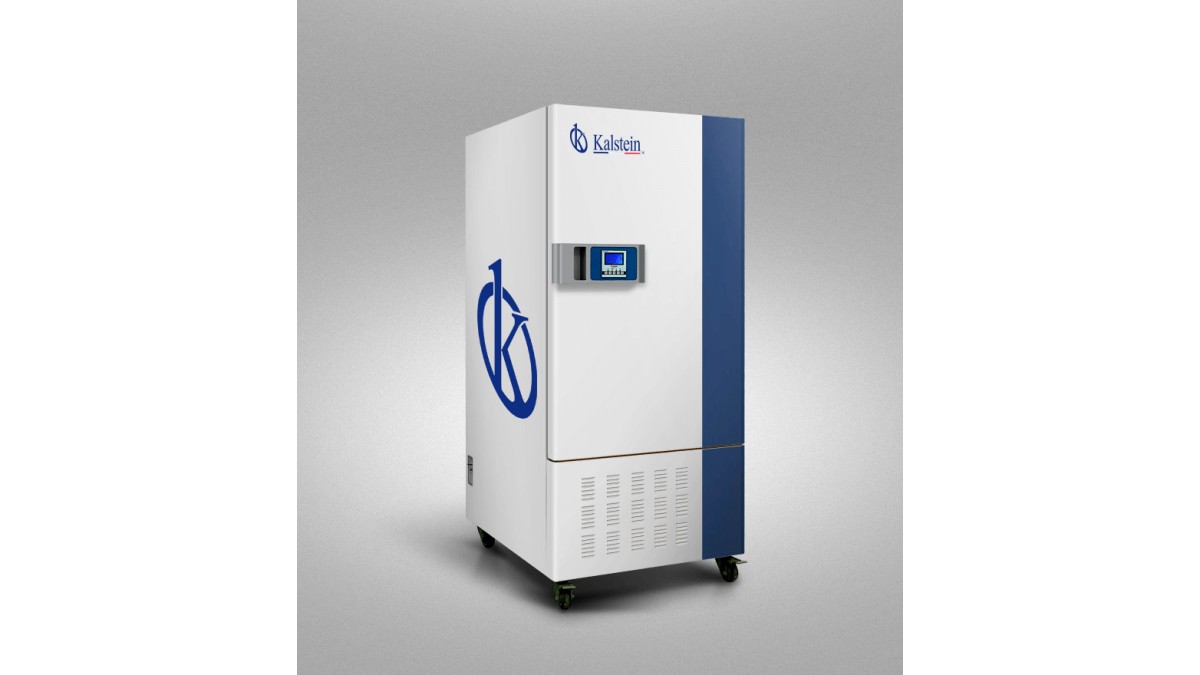

Constant Temperature and Humidity Chambers: Best Practices and Techniques 2026
What is it used for in 2026
In 2026, constant temperature and humidity chambers are widely used in various laboratory settings for simulating environmental conditions to test products and samples under controlled conditions. These chambers are essential in fields such as pharmaceutical development, agricultural research, and material testing. They allow researchers to study the effects of different temperatures and humidity levels on the stability and performance of biological samples, chemicals, and other materials. Specific applications include life cycle testing, seed germination studies, and microbial growth experiments.
History and evolution of the technology
The technology behind constant temperature and humidity chambers has evolved significantly over the years. Initially, these chambers featured basic heating and cooling systems that struggled with temperature consistency. However, the introduction of advanced PID (Proportional-Integral-Derivative) control systems and better insulation technologies has improved performance and reliability. The integration of digital displays and programmable features has also made these chambers user-friendly, allowing for precise environmental control.
How to use it step by step
Using a constant temperature and humidity chamber involves several steps:
- Prepare the chamber: Ensure that the chamber is clean and free from contaminants. Check that the power supply and sensors are functioning correctly.
- Set the parameters: Use the control panel to set the desired temperature and humidity levels based on your experimental requirements.
- Load your samples: Place your samples inside the chamber, ensuring they are adequately spaced for airflow.
- Start the chamber: Activate the chamber and monitor the display to ensure it reaches the set conditions.
- Monitor and record data: Regularly check the parameters and record any changes or observations throughout the experiment.
- End the experiment: Once the required time has elapsed, turn off the chamber and safely remove your samples.
Best techniques and protocols
To achieve optimal results when using constant temperature and humidity chambers, consider the following techniques and protocols:
- Always calibrate the chamber before use to ensure accurate readings.
- Use certified temperature and humidity sensors for reliable data.
- Perform routine maintenance checks to maintain the equipment's integrity.
- Document all experimental conditions and results meticulously.
- Be mindful of the heat generated by samples, which may affect the chamber's conditions.
Practical applications by laboratory type
Different laboratories utilize constant temperature and humidity chambers for varied purposes:
- Pharmaceutical labs: Conduct stability testing for drugs and formulations.
- Agricultural research: Study germination rates and growth conditions for plants and seeds.
- Microbiology labs: Cultivate microorganisms under specific environmental conditions.
- Material science: Test the durability of materials under varying temperature and humidity levels.
Regulations, standards and certifications
In laboratory settings, constant temperature and humidity chambers must comply with various regulations and standards, including:
- ISO 9001 for quality management systems.
- ISO/IEC 17025 for testing and calibration laboratories.
- CE certification indicating compliance with EU health, safety, and environmental protection standards.
Comparison with alternative technologies
While constant temperature and humidity chambers are widely used, alternative technologies such as environmental test chambers and climate chambers exist. Environmental test chambers usually offer more extensive temperature ranges and additional features, but they can be more expensive and complex to operate. In contrast, constant temperature and humidity chambers are typically easier to use and are suitable for specific applications that require controlled humidity.
Comparison of available models
| Model | Best for | Key specs | Recommended use case |
|---|---|---|---|
| YR05334 | Testing samples, shelf-life studies | Temperature range: 0-60°C, Humidity range: 40-95% | Ideal for scientific research and long-term experiments. |
| YR05335 | Plant and seed culture | Temperature range: 0-60°C, Humidity range: 40-95% | Used in agricultural studies and botanical research. |
| YR05336 | Microbial cultivation | Temperature range: 0-60°C, Humidity range: 40-95% | Best for microbiology labs needing specific growth conditions. |
| YR05337 | Long-term experiment monitoring | Temperature range: 0-60°C, Humidity range: 40-95% | Effective for stability tests in pharmaceuticals. |
| YR05338 | Material testing | Temperature range: 0-60°C, Humidity range: 40-95% | Used to test the durability of various materials. |
| YR05339 | General laboratory testing | Temperature range: 0-60°C, Humidity range: 40-95% | Suitable for diverse applications in quality control. |
Common mistakes and how to avoid them
Laboratory professionals often make several mistakes when using constant temperature and humidity chambers:
- Incorrect calibration: Always calibrate the chamber before starting an experiment to avoid inaccurate data.
- Overloading the chamber: Ensure that the load does not exceed the chamber's capacity to maintain consistent conditions.
- Neglecting maintenance: Regularly check and maintain the chamber to avoid equipment failures.
- Inadequate monitoring: Continuously monitor the chamber conditions and document any anomalies promptly.
Maintenance, calibration and good practices 2026
To ensure that constant temperature and humidity chambers operate efficiently, follow these maintenance and calibration practices:
- Conduct monthly calibration checks on temperature and humidity sensors.
- Clean the interior of the chamber regularly to prevent contamination.
- Inspect seals and insulation for wear and tear to maintain energy efficiency.
- Document and schedule routine maintenance tasks to ensure compliance with standards.
Cost-benefit analysis 2026
Investing in constant temperature and humidity chambers can lead to significant long-term benefits for laboratories. The initial cost of purchasing a chamber is offset by the ability to produce reliable research results, reduce waste, and improve product stability. Additionally, the efficiency gained in testing processes leads to faster product development cycles, enhancing overall productivity and reducing operational costs.
Frequently asked questions
What should I look for when choosing a constant temperature and humidity chamber?
When selecting a chamber, consider factors such as temperature and humidity ranges, control systems, energy efficiency, and available certifications. It's also essential to evaluate your specific application needs to ensure compatibility.
How often should I calibrate my chamber?
Calibration should be performed at least once a month or before critical experiments. Regular calibration ensures accurate readings and reliable data.
Can I use the chamber for cultivating microorganisms?
Yes, constant temperature and humidity chambers are suitable for cultivating microorganisms as they provide the controlled environment necessary for growth.
What is the typical lifespan of these chambers?
The lifespan of a constant temperature and humidity chamber can vary based on usage and maintenance but typically ranges from 10 to 15 years with proper care.
Are there specific safety regulations I need to comply with?
Yes, make sure to comply with standard regulations such as ISO certifications and local safety guidelines to ensure safe operation.
What is the best way to clean the chamber?
Use a mild detergent and water solution to clean the interior surfaces. Avoid abrasive materials that could damage the chamber. Always ensure it is turned off and dry before use.
How can I ensure consistent results in my experiments?
To achieve consistent results, regularly calibrate your equipment, maintain the chamber properly, and correctly follow established protocols during experiments.
If you are looking for a fusion of innovation and quality, you have come to the right place. At Kalstein, we offer you the luxury of exploring our exclusive catalog of laboratory equipment. We manufacture every device to the highest standards of excellence. Our intuitive and seamless online purchasing channels are designed for your convenience, securing the most competitive prices. Hesitate no longer — we bring science to life, it is time to become part of our community.