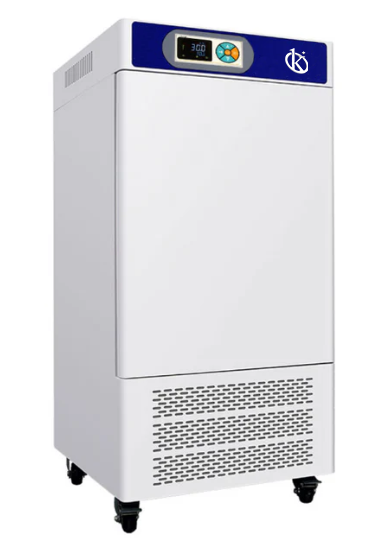
Constant Temperature and Humidity Incubators: A Practical Usage Guide for 2026
What is it used for in 2026
In 2026, constant temperature and humidity incubators play a crucial role in various fields such as environmental protection, medicine, drug testing, health prevention, animal husbandry, aquaculture, and scientific research. These devices ensure that samples, cultures, or experiments are kept under stable conditions, thus enhancing the reliability and reproducibility of results. Their applications extend to biological engineering, water analysis, and many other scientific domains.
History and evolution of the technology
The technology of constant temperature and humidity incubators has evolved significantly over the years. Initially, these incubators were simple boxes with minimal control mechanisms. As understanding of biological processes improved, the demand for precise environmental control led to advancements in materials and technology. Modern incubators now feature digital control systems, advanced insulation materials, and sophisticated humidity management systems, which greatly enhance performance and reliability.
How to use it step by step
Using a constant temperature and humidity incubator involves several key steps:
- **Preparation**: Ensure the incubator is clean and free from contaminants. Check that all components are functional.
- **Set Parameters**: Input the desired temperature and humidity levels according to the specific requirements of your samples.
- **Preheat the Incubator**: Allow the equipment to stabilize at the set conditions before placing any samples inside.
- **Load Samples**: Carefully place your samples in the incubator, ensuring that airflow is not obstructed.
- **Monitoring**: Regularly check the temperature and humidity displays to ensure they remain within the target range.
- **Documentation**: Record any fluctuations or anomalies in the incubator’s performance to maintain quality control.
- **Completion**: Once the incubation period is over, safely retrieve your samples and turn off the incubator.
Best techniques and protocols
To maximize the performance of constant temperature and humidity incubators, here are some best practices:
- **Calibration**: Regularly calibrate the device to ensure accuracy in temperature and humidity readings.
- **Placement**: Position the incubator in a stable environment, away from direct sunlight, drafts, and heat sources.
- **Load management**: Avoid overloading the incubator to maintain optimal airflow and temperature stability.
- **Routine checks**: Conduct frequent inspections to identify wear and tear or potential malfunctions.
Practical applications by laboratory type
Constant temperature and humidity incubators are invaluable across various laboratory settings:
- **Microbiology Labs**: Ideal for culturing bacteria and fungi under controlled conditions.
- **Pharmaceutical Labs**: Used for stability testing of drugs and vaccines.
- **Research Labs**: Essential for biological and chemical experiments that require specific environmental conditions.
- **Agricultural Labs**: Helpful for seed germination studies and plant tissue culture.
Regulations, standards and certifications
Compliance with regulations and standards is crucial when using incubators. Laboratories should adhere to guidelines set forth by organizations like ISO, FDA, and GLP. Certification ensures that equipment meets specific performance criteria and is calibrated correctly, which is vital for maintaining quality and safety in laboratory practices.
Comparison with alternative technologies
While constant temperature and humidity incubators are widely used, there are alternative technologies such as refrigerated incubators and dry heat sterilizers. However, these alternatives often lack the precise control over humidity levels, making them less suitable for certain applications where moisture control is critical.
Comparison of available models
| Model | Best for | Key specs | Recommended use case |
|---|---|---|---|
| YR02053 | General laboratory use | Temperature range: 0~60°C, Accuracy: ±0.1°C | Ideal for environmental protection and drug testing |
| YR02054 | Pharmaceutical applications | Temperature range: 0~60°C, Precision: ±0.1°C | Best for stability testing in pharmaceuticals |
| YR02055 | Biological research | Temperature range: 0~60°C, Humidity control included | Perfect for biological engineering and ecology studies |
Common mistakes and how to avoid them
Common mistakes when using incubators include:
- **Inadequate calibration**: Always ensure your incubator is properly calibrated before use.
- **Overloading the unit**: Follow guidelines for load capacity to avoid temperature spikes.
- **Ignoring fluctuations**: Regularly monitor performance and document any irregularities.
Maintenance, calibration and good practices 2026
To maintain optimal performance, conduct routine maintenance checks. This includes cleaning the interior and checking seals for integrity. Calibration should be performed at regular intervals, and records of these checks should be maintained to ensure compliance and quality control.
Cost-benefit analysis 2026
Investing in a constant temperature and humidity incubator can yield significant benefits in research quality and reproducibility. While the initial cost may be high, the return on investment through improved results and efficiency in laboratory processes justifies the expense. Considering the long lifespan and reliability of these units, they represent a valuable asset for laboratories.
Frequently asked questions
What factors should I consider when choosing a constant temperature and humidity incubator?
When selecting an incubator, consider the required temperature and humidity ranges, the size of the interior, power requirements, and whether it has features such as automatic defrosting and data logging capability.
How often should I calibrate my incubator?
It is recommended to calibrate your incubator at least once every three months, or more frequently if it is used for critical applications.
Can I use the incubator for different types of samples?
Yes, constant temperature and humidity incubators can be used for various samples, including biological cultures, pharmaceuticals, and environmental samples, as long as the parameters are appropriately set.
What maintenance practices should I follow?
Regularly clean the interior, check door seals, and monitor performance metrics. Schedule professional maintenance annually to ensure optimal operation.
How do I troubleshoot temperature fluctuations in the incubator?
First, check for proper calibration. Ensure that the unit is not overloaded and that there are no obstructions blocking airflow. If issues persist, consult the manufacturer's guidelines for further troubleshooting steps.
Is it necessary to log data from the incubator?
Yes, maintaining logs of temperature and humidity data can help identify trends and potential issues, supporting compliance and quality assurance processes.
How can I request a quote for a new incubator?
You can easily request a quote through our website or contact our sales team directly for personalized assistance.
If you are looking for a fusion of innovation and quality, you have come to the right place. At Kalstein, we offer you the luxury of exploring our exclusive catalog of laboratory equipment. We manufacture every device to the highest standards of excellence. Our intuitive and seamless online purchasing channels are designed for your convenience, securing the most competitive prices. Hesitate no longer — we bring science to life, it is time to become part of our community.