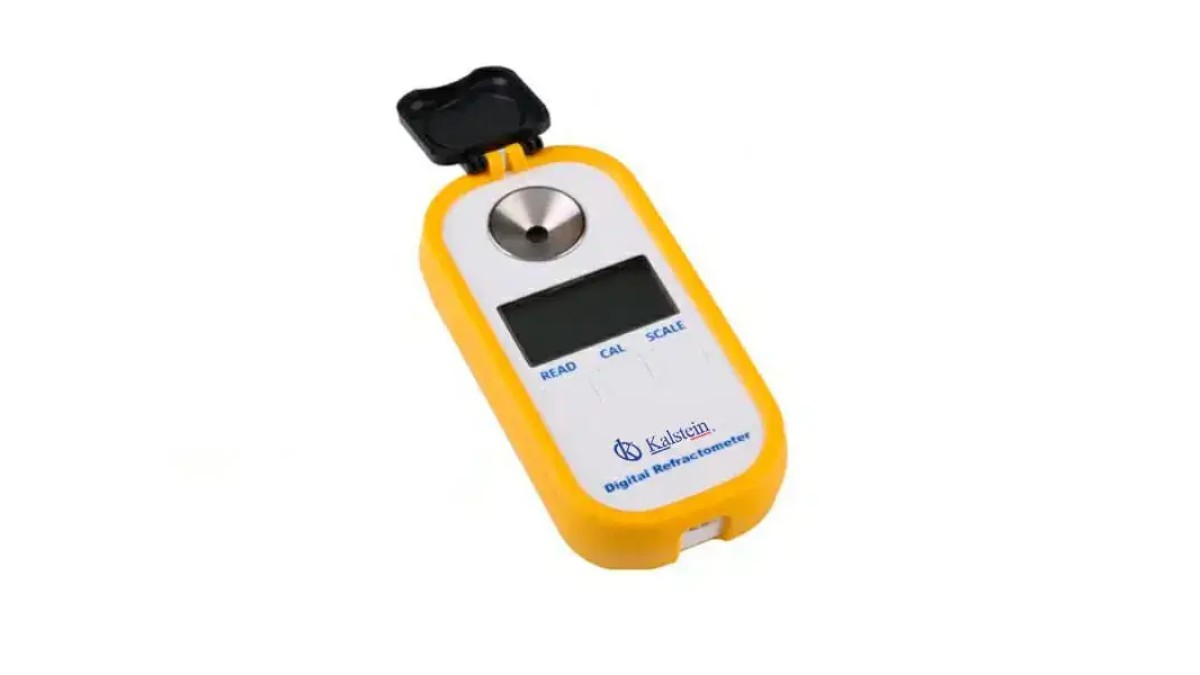
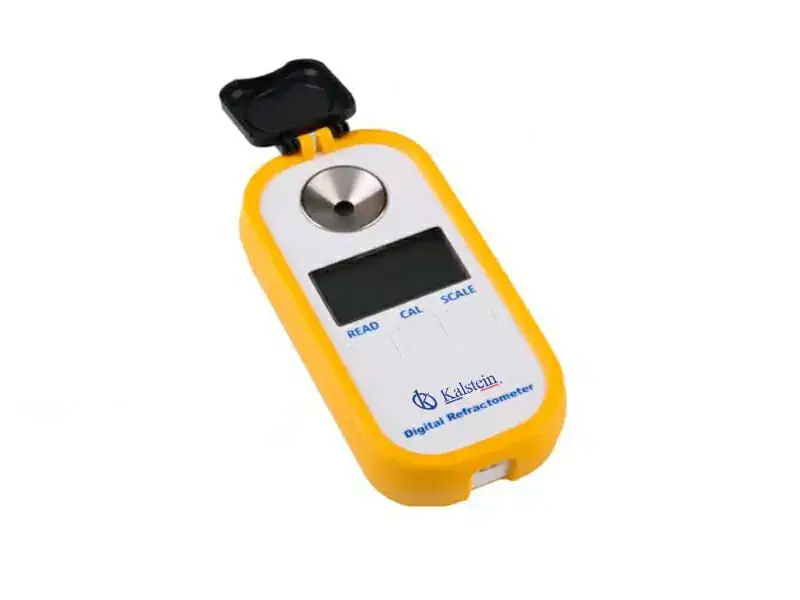
Digital BRIX Refractometers: Applications in Research, Biotechnology, and Academia 2026
What is it used for in 2026
In 2026, Digital BRIX Refractometers play a pivotal role in various fields such as research, biotechnology, and academia. These devices primarily measure the concentration of soluble solids, particularly sugars in aqueous solutions. They are essential tools in industries ranging from food and beverage to pharmaceuticals, ensuring quality control and product formulation.
History and evolution of the technology
The evolution of refractometry dates back to the early 19th century when the first refractometers were developed. Over the decades, advancements in optical technology and digital electronics have transformed traditional refractometers into highly accurate digital devices. The introduction of automatic temperature compensation (ATC) has further enhanced their usability, allowing for precise measurements across a range of temperatures.
How to use it step by step
Using a Digital BRIX Refractometer involves the following steps:
- Ensure the device is clean and calibrated before use.
- Place a few drops of the solution to be measured on the prism.
- Close the cover plate to ensure no air bubbles are trapped.
- Allow the device a moment to stabilize and take the reading displayed on the screen.
- Record the measurement, ensuring to note the temperature if applicable.
Best techniques and protocols
To achieve the best results with Digital BRIX Refractometers, consider the following techniques and protocols:
- Regularly calibrate the device using standard solutions.
- Conduct measurements at a consistent temperature to reduce variability.
- Clean the prism after each use to prevent cross-contamination.
- Use appropriate sample volumes as specified by the manufacturer to ensure accuracy.
Practical applications by laboratory type
Digital BRIX Refractometers are utilized across various laboratory settings:
- Food and Beverage Laboratories: For measuring sugar content in juices, syrups, and other products.
- Biotechnology Laboratories: For assessing fermentation processes and monitoring sugar levels in bioproducts.
- Academic Institutions: For teaching students about solubility and concentration principles in practical experiments.
Regulations, standards and certifications
In the laboratory setting, compliance with relevant regulations and standards is critical. Digital BRIX Refractometers should meet international quality standards such as ISO 9001 for quality management systems. Additionally, specific industries may require adherence to FDA regulations for food safety or GMP (Good Manufacturing Practices) in pharmaceutical applications.
Comparison with alternative technologies
While Digital BRIX Refractometers are specialized for measuring sugar content, alternative technologies include traditional refractometers and hydrometers. Traditional refractometers may lack the precision and ease of use offered by digital models, while hydrometers are limited to measuring liquid density rather than sugar concentration. Digital refractometers provide a combination of accuracy, simplicity, and versatility, making them a preferred choice in many laboratory environments.
Comparison of available models
| Model | Best for | Key specs | Recommended use case |
|---|---|---|---|
| YR05944 | Measuring sugar concentration in fruit juices and syrups | Brix: 0.0-50.0%, Index of refraction: 1.3330-1.4200nD | Quality control in food processing |
| YR05945 | General Brix measurement | Brix: 0.0-90.0% | Research and development in beverage formulation |
| YR05946 | Measuring index of refraction | 1.3330-1.5177nD | Academic research in optical properties |
| YR05947 | Dextran concentration measurements | Dextran: 0.0-10.6% | Research in biopharmaceuticals |
| YR05948 | Fructose concentration measurements | Fructose: 0.0-68.9% | Food industry applications |
| YR05949 | Glucose concentration measurements | Glucose: 0.0-59.9% | Clinical research in metabolic studies |
Common mistakes and how to avoid them
To ensure accurate measurements and prolong the life of the refractometer, avoid the following common mistakes:
- Neglecting to calibrate the device before each use, which can lead to inaccurate readings.
- Using contaminated samples or failing to clean the prism properly, resulting in cross-contamination.
- Measuring samples at varying temperatures without considering ATC compensation.
- Using incorrect sample volumes, which may affect the accuracy of the readings.
Maintenance, calibration and good practices 2026
Regular maintenance and calibration are essential for accurate measurements. Follow these practices:
- Calibrate the refractometer using standardized solutions at least once a month or before critical measurements.
- Clean the prism with distilled water and a soft cloth after each use.
- Store the device in a protective case when not in use to prevent damage.
- Check the battery levels regularly to ensure the device is functioning properly.
Cost-benefit analysis 2026
Investing in Digital BRIX Refractometers can provide substantial benefits in laboratory settings. While the initial cost may seem significant, the improved accuracy, reduced measurement time, and increased productivity often outweigh the expenditure. Additionally, compliance with industry standards can prevent costly errors and enhance product quality, making these devices a valuable asset in research and production environments.
Frequently asked questions
What should I consider when choosing a Digital BRIX Refractometer?
When selecting a Digital BRIX Refractometer, consider the measurement range, accuracy, temperature compensation features, and specific applications that align with your laboratory needs.
How can I ensure the accuracy of my measurements?
To maintain accuracy, regularly calibrate your refractometer using standard solutions, clean the prism after each use, and ensure that you are measuring at a consistent temperature.
Can I use these devices for all types of liquids?
While Digital BRIX Refractometers are designed for aqueous solutions, the concentration of the substance and its refractive index will determine the device’s suitability for specific liquids.
What are the common applications in the food industry?
In the food industry, these refractometers are commonly used for measuring sugar content in fruit juices, syrups, sauces, and other sweet products to ensure quality and consistency.
How do I clean my Digital BRIX Refractometer?
Clean the prism with distilled water and a non-abrasive cloth after each measurement to avoid cross-contamination and ensure accurate readings.
Are there any training requirements to use a Digital BRIX Refractometer?
Basic training on the device's functions and proper measurement techniques is beneficial, but formal training is typically not required. However, understanding the principles of refractometry can enhance usage.
Where can I find more information on purchasing Digital BRIX Refractometers?
You can request a quote and find more information about purchasing these devices through our dedicated platforms.
If you are looking for a fusion of innovation and quality, you have come to the right place. At Kalstein, we offer you the luxury of exploring our exclusive catalog of laboratory equipment. We manufacture every device to the highest standards of excellence. Our intuitive and seamless online purchasing channels are designed for your convenience, securing the most competitive prices. Hesitate no longer — we bring science to life, it is time to become part of our community.