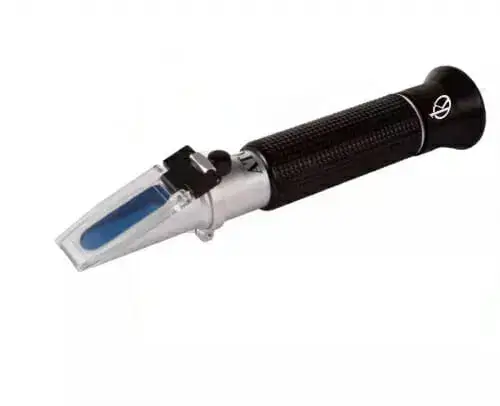
Digital Clinical Refractometers: Common Mistakes and How to Avoid Them in Daily Operation 2026
What is it used for in 2026
Digital clinical refractometers are essential tools in laboratories for measuring the refractive index of liquids, which helps determine various parameters such as specific gravity and protein concentration in both human and veterinary applications. In 2026, these devices are used extensively in clinical settings for accurate diagnostics, hydration status assessment, and quality control in various liquids.
History and evolution of the technology
The technology behind refractometers has evolved significantly since the first manual refractometers were introduced. With advancements in digital technology, modern refractometers now feature automated temperature compensation, enhanced accuracy, and user-friendly interfaces. This evolution has transformed laboratory processes, allowing for quicker and more reliable results.
How to use it step by step
Using a digital clinical refractometer involves the following steps:
- Prepare the sample: Ensure the liquid is clean and free from bubbles.
- Calibrate the device: Use distilled water or a calibration standard to set the device.
- Place the sample: Apply a few drops of the liquid onto the measurement prism.
- Close the cover: This ensures no light interference during measurement.
- Read the results: Wait for the digital display to stabilize and record the value.
- Clean the prism: After measurement, clean the prism to avoid contamination.
Best techniques and protocols
For optimal performance when using digital clinical refractometers, follow these protocols:
- Always calibrate before use to ensure accurate readings.
- Handle samples carefully to avoid air bubbles.
- Use the device within the recommended temperature range for accurate results.
- Regularly maintain and clean the instrument to prolong its lifespan.
Practical applications by laboratory type
Different laboratory types utilize digital clinical refractometers in various ways:
- Clinical Laboratories: Assessing urine specific gravity and blood protein levels.
- Veterinary Practices: Monitoring hydration levels in animals and diagnosing conditions.
- Research Laboratories: Studying solutions and concentrations in various experiments.
Regulations, standards and certifications
Digital clinical refractometers must comply with international standards such as ISO 13485 for medical devices. Additionally, they should be certified for safety and efficacy, ensuring they meet the required regulatory requirements for laboratory equipment.
Comparison with alternative technologies
While digital clinical refractometers are widely used, there are alternative technologies such as analog refractometers and hydrometers. Digital refractometers offer enhanced accuracy, ease of use, and faster results compared to their analog counterparts, making them preferable in most clinical applications.
Comparison of available models
| Model | Best for | Key specs | Recommended use case |
|---|---|---|---|
| YR05915 | Clinical and veterinary use | 0-12g/dl; 1.000-1.050sg; 1.3300RI-1.3600RI | Measuring urine specific gravity |
| YR05966 | Animal and human urine analysis | 1.000-1.050; ±0.002 | Veterinary diagnostics |
| YR05967 | Serum protein measurement | 0-12.1 g/dl; ±0.2 | Human serum analysis |
| YR05968 | Refractive index measurement | 1.3330--1.3900nD; ±0.0003nD | Research applications |
Common mistakes and how to avoid them
Lab professionals often encounter mistakes when using digital clinical refractometers. Here are some common pitfalls and tips to avoid them:
- Failure to calibrate: Always calibrate before use to ensure accuracy.
- Ignoring temperature effects: Use the automatic temperature compensation feature to avoid discrepancies.
- Contaminating the prism: Clean the prism after each use to prevent cross-contamination.
- Improper sample handling: Handle samples gently to prevent bubbles.
Maintenance, calibration and good practices 2026
Regular maintenance is essential for the accuracy and longevity of digital clinical refractometers. Key practices include:
- Calibrate the device regularly, at least once a week.
- Clean the prisms and body with suitable cleaning agents.
- Store the device in a protective case when not in use.
Cost-benefit analysis 2026
The initial investment in digital clinical refractometers can be substantial, but their accuracy, efficiency, and reliability offer significant cost savings in the long run. Reduced errors in measurement lead to better diagnostic outcomes, ultimately saving time and resources in laboratory operations.
Frequently asked questions
What is the best way to clean a digital clinical refractometer?
Clean the prism with a soft lint-free cloth and a suitable cleaning solution. Avoid abrasive materials that can scratch the surface.
How often should I calibrate my refractometer?
It is recommended to calibrate your refractometer at least once a week, or more frequently if used daily.
Can I use the refractometer for both human and animal samples?
Yes, many digital clinical refractometers are designed to analyze both human and animal samples effectively.
What should I do if the readings are inconsistent?
Check for proper calibration, ensure the sample is free of bubbles, and clean the prism to eliminate any contaminants.
Is it necessary to use distilled water for calibration?
Yes, distilled water is recommended for calibration to ensure accuracy without impurities affecting the results.
Where can I request a quote for a digital clinical refractometer?
You can request a quote on Kalstein Plus for your desired model and specifications.
What are the advantages of digital over analog refractometers?
Digital refractometers offer enhanced accuracy, faster results, and user-friendly interfaces, making them more efficient for laboratory use.
If you are looking for a fusion of innovation and quality, you have come to the right place. At Kalstein, we offer you the luxury of exploring our exclusive catalog of laboratory equipment. We manufacture every device to the highest standards of excellence. Our intuitive and seamless online purchasing channels are designed for your convenience, securing the most competitive prices. Hesitate no longer — we bring science to life, it is time to become part of our community.