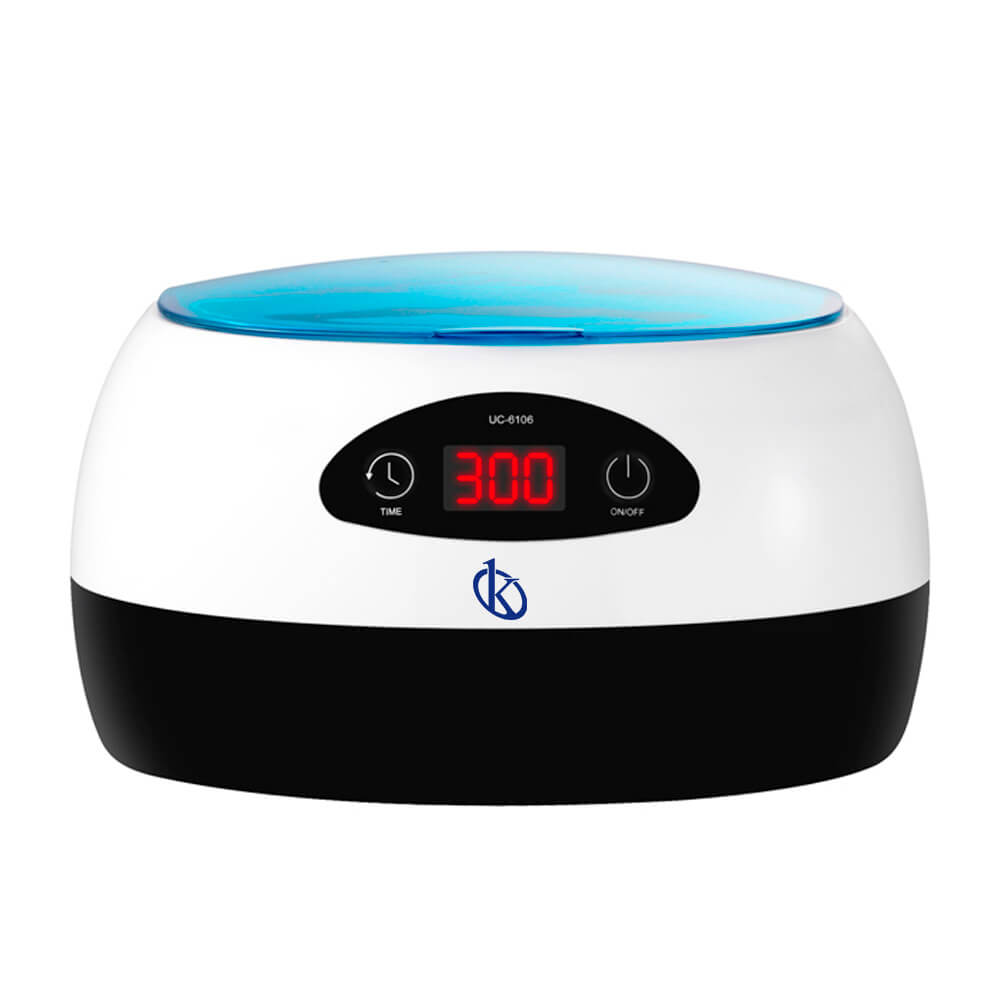
Digital Desktop Ultrasonic Cleaners: Applications and Techniques 2026
What is it used for in 2026
Digital Desktop Ultrasonic Cleaners have become an essential tool in various laboratory settings, particularly in clinical and hospital environments. These devices utilize ultrasonic waves to create high-frequency sound waves in a liquid cleaning solution, effectively removing dirt, grime, and contaminants from surfaces. In 2026, their applications extend beyond jewelry cleaning to include:
- Cleaning dental instruments and tools.
- Restoring optical lenses and glasses.
- Preparing laboratory glassware and equipment.
- Cleaning precision instruments used in research and diagnostics.
- Sanitizing prosthetics and other medical devices.
History and evolution of the technology
The ultrasonic cleaning technology dates back to the 1950s, initially developed for industrial applications. Over the years, advancements in technology have led to the miniaturization and refinement of ultrasonic cleaners, making them accessible for household and clinical use. The introduction of digital controls and enhanced cleaning frequencies has allowed for more precise and effective cleaning. As of 2026, Digital Desktop Ultrasonic Cleaners represent the culmination of decades of innovation, offering users improved efficiency and effectiveness in cleaning various items.
How to use it step by step
Using a Digital Desktop Ultrasonic Cleaner is straightforward. Here’s a step-by-step guide:
- Prepare the cleaning solution: Fill the tank with distilled water or an appropriate cleaning solution, ensuring it is at the recommended level.
- Insert items: Place the items to be cleaned in the basket provided, ensuring they do not touch each other or the tank's bottom.
- Select cleaning settings: Choose the appropriate time and frequency settings for the specific items being cleaned.
- Start the cleaning cycle: Press the start button and allow the machine to run for the selected time.
- Rinse and dry: After cleaning, remove the items, rinse them with clean water, and dry them appropriately.
Best techniques and protocols
To maximize the cleaning effectiveness of Digital Desktop Ultrasonic Cleaners, consider the following techniques and protocols:
- Always use distilled water to prevent mineral buildup.
- Pre-soak items in a suitable cleaning solution for enhanced results.
- Adjust the frequency based on the material being cleaned, with lower frequencies for heavy-duty cleaning and higher frequencies for delicate items.
- Regularly change the cleaning solution to maintain efficiency.
- Follow manufacturer guidelines for the duration of cleaning cycles.
Practical applications by laboratory type
Different laboratory types can leverage Digital Desktop Ultrasonic Cleaners effectively:
- Dental Laboratories: Ideal for cleaning tools, instruments, and dental appliances, ensuring hygiene and precision.
- Optical Laboratories: Perfect for cleaning eyeglasses, lenses, and optical instruments without scratching.
- Research Laboratories: Useful for cleaning glassware, pipettes, and other precision tools to maintain accuracy in experiments.
- Medical Facilities: Facilitates the cleaning of surgical instruments, ensuring they are free from contaminants.
Regulations, standards and certifications
In 2026, the use of Digital Desktop Ultrasonic Cleaners in laboratories is guided by various regulations and standards to ensure safety and effectiveness. Compliance with the following is essential:
- ISO 13485: Quality management standards for medical devices.
- FDA Guidelines: Regulations for medical device cleaning and sterilization.
- ANSI/AAMI Standards: Standards for the cleaning, disinfection, and sterilization of medical instruments.
Comparison with alternative technologies
While Digital Desktop Ultrasonic Cleaners offer numerous advantages, it is essential to compare them with alternative cleaning technologies. Here’s a brief overview:
- Manual Cleaning: Labor-intensive and less effective than ultrasonic cleaning, often leading to inconsistent results.
- Steam Cleaning: Effective for sterilization but may not reach all surfaces and is time-consuming.
- Chemical Cleaning: Can be effective but may damage sensitive materials, unlike ultrasonic cleaning.
Comparison of available models
| Model | Best for | Key specs | Recommended use case |
|---|---|---|---|
| YR05231 | Jewelry and small items | 750 ml capacity, 50W power, 42KHz frequency | Cleaning delicate jewelry effectively |
| YR05232 | Jewelry and small instruments | 1400 ml capacity, 60W power, 40KHz frequency | Versatile cleaning for various jewelry pieces |
| YR05229 | Eyeglasses and lenses | 0.6 L capacity, 50W power, 42KHz frequency | Effective lens cleaning without scratching |
| YR05230 | Dental and medical tools | 2.5 L capacity, 60W power, 42KHz frequency | Ideal for cleaning dental instruments |
Common mistakes and how to avoid them
Here are some common mistakes when using Digital Desktop Ultrasonic Cleaners and tips to avoid them:
- Overloading the tank: Avoid placing too many items at once, as it can hinder the cleaning process.
- Using tap water: Always use distilled water to prevent mineral deposits.
- Neglecting maintenance: Regularly clean and maintain the unit to ensure longevity and performance.
- Ignoring time settings: Be mindful of recommended cleaning times to avoid damaging items.
Maintenance, calibration and good practices 2026
Proper maintenance is crucial for the longevity and performance of Digital Desktop Ultrasonic Cleaners. Here are some best practices:
- Regularly check and replace worn parts.
- Clean the tank and transducer after each use.
- Calibrate the unit according to manufacturer recommendations every six months.
- Store the cleaner in a dry, dust-free environment.
Cost-benefit analysis 2026
Investing in Digital Desktop Ultrasonic Cleaners can yield significant benefits for laboratories:
- Efficiency: Faster and more thorough cleaning compared to manual methods.
- Improved Hygiene: Enhanced sanitary conditions for tools and instruments.
- Cost Savings: Reduces the need for expensive cleaning chemicals and manual labor.
Considering the initial investment and ongoing savings, the cost-benefit ratio is favorable for laboratories aiming for efficiency and quality.
Frequently asked questions
What type of cleaning solution should I use in ultrasonic cleaners?
It is recommended to use distilled water or a specific cleaning solution designed for ultrasonic cleaning. Avoid using tap water as it may contain minerals that can leave deposits on the items being cleaned.
How long should I run the ultrasonic cleaner?
The cleaning duration depends on the items being cleaned. Generally, 3 to 5 minutes is sufficient for light cleaning, while more heavily soiled items may require up to 10 to 15 minutes.
Can I clean all types of jewelry in ultrasonic cleaners?
Not all jewelry can be cleaned in ultrasonic cleaners. Delicate items such as pearls and certain soft gemstones may be damaged. Always check the manufacturer's recommendations for specific materials.
Is it necessary to rinse items after cleaning in an ultrasonic cleaner?
Yes, rinsing items after using an ultrasonic cleaner is essential to remove any residue from the cleaning solution and to ensure that items are clean and safe for use.
Can I use ultrasonic cleaners for cleaning medical instruments?
Yes, ultrasonic cleaners are commonly used in medical settings for cleaning surgical instruments. However, it is essential to follow proper protocols for disinfection and sterilization afterward.
How do I know if my ultrasonic cleaner needs maintenance?
Signs that maintenance is needed include decreased cleaning efficiency, unusual noises during operation, and visible damage or wear on the unit.
Where can I request a quote for Digital Desktop Ultrasonic Cleaners?
You can request a quote for Digital Desktop Ultrasonic Cleaners on our dedicated platform, where we provide various options tailored to your laboratory needs.
If you are looking for a fusion of innovation and quality, you have come to the right place. At Kalstein, we offer you the luxury of exploring our exclusive catalog of laboratory equipment. We manufacture every device to the highest standards of excellence. Our intuitive and seamless online purchasing channels are designed for your convenience, securing the most competitive prices. Hesitate no longer — we bring science to life, it is time to become part of our community.