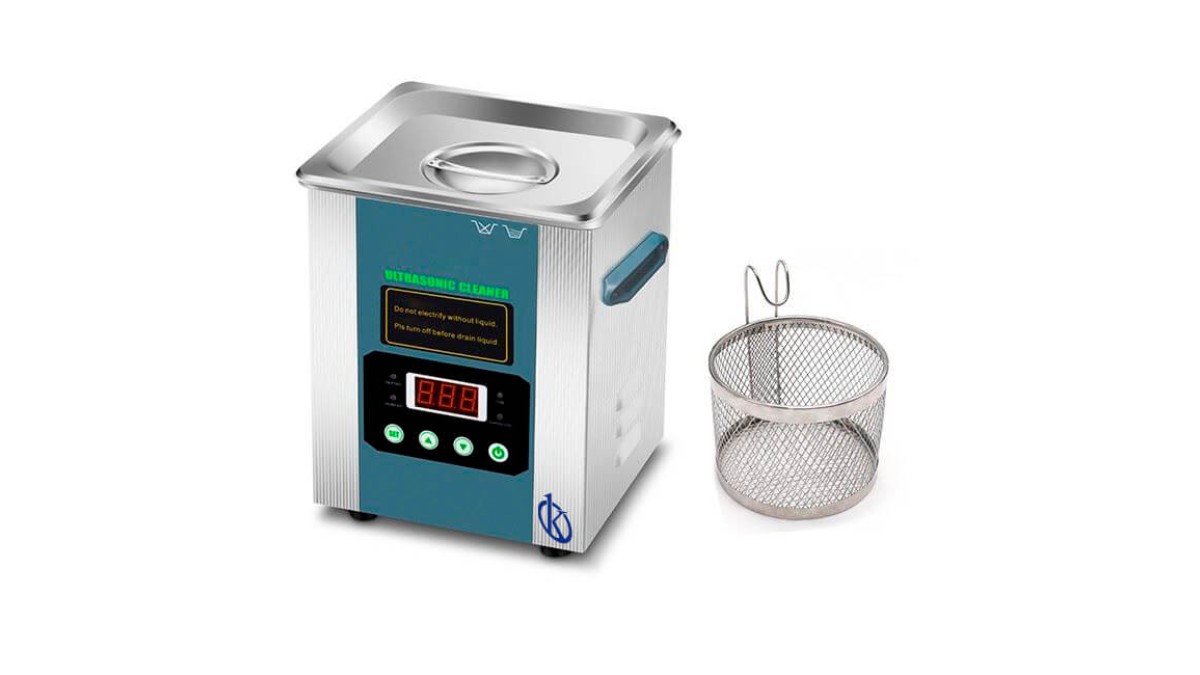
Digital Display Ultrasonic Cleaners: Comprehensive Practical Guide for 2026
What is it used for in 2026
In 2026, Digital Display Ultrasonic Cleaners have become essential tools in various laboratory settings. These devices are designed to remove contaminants such as dirt, grease, and biological materials from a variety of items. Their applications range from cleaning jewelry, precision instruments, and electronic components to medical tools and laboratory glassware. The ultrasonic waves produced facilitate deep cleaning without damaging the items, making them ideal for use in fields like electronics, healthcare, and research.
History and evolution of the technology
The technology behind ultrasonic cleaning dates back to the early 1950s when it was first employed in industrial applications. Over the decades, advancements in transducer technology and digital controls have made ultrasonic cleaners more efficient and user-friendly. The introduction of digital displays has further enhanced usability, allowing for precise control over cleaning cycles, temperature settings, and operation times. Today, these devices are more accessible and incorporate features that cater specifically to laboratory and home use.
How to use it step by step
Using a Digital Display Ultrasonic Cleaner involves the following steps:
- Preparation: Gather the items you want to clean and inspect them for compatibility with ultrasonic cleaning.
- Fill the tank: Fill the cleaner’s tank with the appropriate cleaning solution or distilled water according to the manufacturer’s instructions.
- Load items: Place the items in the basket or directly in the tank without overcrowding.
- Set parameters: Turn on the device and set the cleaning time, temperature, and other settings using the digital display.
- Start cleaning: Initiate the cleaning cycle and monitor the process. Most models allow you to pause or stop the cleaning as needed.
- Rinse and dry: Once completed, remove the items, rinse them with clean water, and dry them thoroughly before use.
Best techniques and protocols
To achieve optimal cleaning results, follow these techniques:
- Always use a cleaning solution specifically designed for ultrasonic cleaners to enhance cleaning efficiency.
- Keep the temperature consistent; some items may require heated solutions for effective cleaning.
- Avoid overloading the cleaner, as this can reduce the effectiveness of the ultrasonic waves.
- Regularly check and replace the cleaning solution to maintain optimal cleaning performance.
- Employ a gentle agitation setting for delicate items to prevent damage during cleaning.
Practical applications by laboratory type
Digital Display Ultrasonic Cleaners are utilized across various laboratory types:
- Medical Laboratories: For sterilizing surgical instruments and glassware.
- Electronic Laboratories: For cleaning circuit boards and electronic components.
- Jewelry and Watch Industries: For restoring shine to jewelry and watches without abrasive methods.
- Research Laboratories: For cleaning delicate glassware and maintaining precision tools.
Regulations, standards and certifications
When using Digital Display Ultrasonic Cleaners, it is important to adhere to relevant standards such as ISO 13485 for medical devices and other industry-specific guidelines. Additionally, ensure that the cleaners are CE certified and comply with health and safety regulations to guarantee safe operation, especially in sensitive environments like laboratories.
Comparison with alternative technologies
While ultrasonic cleaning is highly effective, alternative methods include:
- Manual Cleaning: Labor-intensive and less effective for intricate items.
- Steam Cleaning: Effective but may not penetrate as deeply into crevices.
- Pressure Washing: Can damage delicate items and is not suitable for all materials.
Ultrasonic cleaning stands out due to its ability to clean complex geometries without damaging surfaces.
Comparison of available models
| Model | Best for | Key specs | Recommended use case |
|---|---|---|---|
| YR05208 | Jewelry cleaning | 2L capacity, 70W power, 40KHz frequency | Home and small laboratory use for jewelry |
| YR05209 | Multi-purpose cleaning | 2L capacity, 70W power, 40KHz frequency | General cleaning of various items |
| YR05212 | Heated cleaning | 4.5L capacity, 180W power, 40KHz frequency | Medical instrument cleaning |
| YR05213 | Heated cleaning | 6.8L capacity, 180W power, 40KHz frequency | More extensive cleaning tasks |
| YR05214 | Large volume cleaning | 11L capacity, 240W power, 40KHz frequency | Heavy-duty cleaning in industrial settings |
| YR05215 | High-capacity cleaning | 15L capacity, 360W power, 40KHz frequency | Laboratory use for large glassware |
Common mistakes and how to avoid them
Common pitfalls include:
- Overloading the cleaner — always follow the manufacturer’s guidelines for load capacity.
- Using inappropriate cleaning solutions — ensure the solution is safe for the items being cleaned.
- Neglecting maintenance — regular cleaning and maintenance of the device prolong its life and efficiency.
- Ignoring time settings — always set the timer according to the manufacturer's recommendations.
Maintenance, calibration and good practices 2026
To maintain your Digital Display Ultrasonic Cleaner:
- Regularly check and replace the cleaning solution.
- Clean the tank and transducers periodically to prevent buildup of debris.
- Calibrate the ultrasonic frequency as needed to ensure optimal performance.
- Follow best practices for storage and usage as outlined in the user manual.
Cost-benefit analysis 2026
Investing in Digital Display Ultrasonic Cleaners offers significant advantages:
- Efficiency: Saves time and labor costs compared to manual cleaning.
- Quality Cleaning: Provides thorough cleaning results, reducing the risk of contamination.
- Versatility: Applicable across various laboratory settings, making them a valuable asset.
- Long-term Savings: Reduces the need for chemical cleaners, leading to lower ongoing costs.
Frequently asked questions
What type of cleaning solution should I use?
Use a cleaning solution specifically designed for ultrasonic cleaners, which is effective for the materials you intend to clean. Avoid using solutions that can foam excessively or damage the items.
Can I clean electronic components with ultrasonic cleaners?
Yes, ultrasonic cleaners are excellent for cleaning electronic components, but ensure the parts are compatible with ultrasonic cleaning and dry them thoroughly afterward to prevent damage.
How often should I change the cleaning solution?
Change the cleaning solution after each cleaning cycle or when it becomes visibly dirty to maintain optimal cleaning performance.
Is it safe to clean delicate items?
Yes, as long as the ultrasonic cleaner is used at the appropriate settings and you follow the manufacturer's guidelines for delicate items.
What should I do if my ultrasonic cleaner is not working properly?
If your ultrasonic cleaner is not functioning properly, check for power supply issues, ensure the tank is filled with the right solution, and inspect for any obstructions or malfunctions.
How do I know the correct cleaning time for my items?
Refer to the manufacturer’s guidelines for specific items and adjust the cleaning time based on your observations and experience with similar materials.
If you are looking for a fusion of innovation and quality, you have come to the right place. At Kalstein, we offer you the luxury of exploring our exclusive catalog of laboratory equipment. We manufacture every device to the highest standards of excellence. Our intuitive and seamless online purchasing channels are designed for your convenience, securing the most competitive prices. Hesitate no longer — we bring science to life, it is time to become part of our community.