
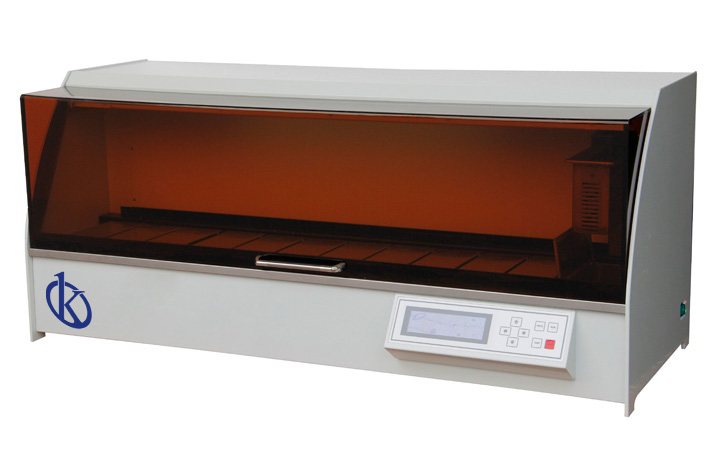
Tissue Processing, Kalstein Brand
Tissue processing is a crucial step in the laboratory that ensures proper preparation of tissue samples for further analysis, and Kalstein’s innovative solutions have been central to enhancing this process. As someone who has used these products extensively, I can vouch for their exceptional quality and performance. Their processing devices simplify complex procedures, streamline operations, and save time.
The Kalstein brand stands out for its dedication to delivering high-performance products that prioritize user experience and efficiency. The precision and reliability embedded in their tissue processing machines are a testament to the company’s commitment to innovation. Unlike many other brands, Kalstein provides cutting-edge technology that demystifies pathological anatomy, making it accessible and manageable for laboratories of all sizes.
Features of Tissue Processing
The importance of effective tissue processing cannot be overstated, as it directly impacts the accuracy and clarity of results derived from pathological examinations. Kalstein’s tissue processing devices offer numerous distinguished features, including customizable programming and advanced control systems.
Firstly, these processors are equipped with intuitive interfaces and programmable protocols, which allow technicians to set precise parameters tailored to the needs of each sample. This flexibility significantly improves the processing time and the integrity of the final specimen, reducing human error and increasing productivity.
Different Models of Tissue Processing
Kalstein offers a diverse range of tissue processing models designed to cater to various laboratory requirements. Each model offers unique functionalities that accommodate different tissue types and processing capacities. Whether you require a machine that handles higher volumes or one designed for detailed, small-scale work, Kalstein has you covered.
The models vary in size, processing speed, and capabilities, with solutions for both routine and specialized lab operations. Their versatility is a critical asset in laboratories where diverse or unpredictable workloads are common. By evaluating the specific needs of your laboratory, you can choose a model that seamlessly integrates into your workflow.
Why Does Tissue Processing Cost What It Does?
One common question arises: why does tissue processing equipment cost what it does? The pricing reflects the high-quality materials, sophisticated technology, and the extensive research and development invested in these machines. Each component is meticulously designed to ensure reliability, accuracy, and ease of use.
Moreover, the cost also represents the robust customer support and training that accompany Kalstein products. These additional services ensure that users can operate the equipment confidently and resolve any technical issues swiftly, thus safeguarding the laboratory’s productivity and integrity of results.
Comparison with Competing Products
When comparing Kalstein’s tissue processing devices with similar products from competitors like Leica Biosystems, Thermo Fisher Scientific, and Sakura Finetek, Kalstein offers several advantages. The intuitive user interface and customizable programming are more advanced, providing laboratories with greater flexibility and control.
While other brands also produce reliable equipment, Kalstein’s offerings shine in terms of cost-effectiveness and innovative features. Their devices boast efficient energy use and reduced chemical consumption, providing an environmentally friendly option without sacrificing performance. Additionally, Kalstein’s emphasis on ongoing user training and support sets it apart from its competitors.
Pros and Cons of Tissue Processing
| Pros | Cons |
|---|---|
| Customizable programming for specific needs | Initial investment can be high |
| User-friendly interface | Requires regular maintenance |
| High processing speed | Training necessary for optimal use |
| Reduced error margin | Potential for technical issues |
| Energy-efficient | Limited to certain sample sizes |
| Robust customer support | Replacement parts may be costly |
| Durable and reliable | |
| Environmentally friendly |
Benefits of Using These Tissue Processing Devices
The advantages of using Kalstein’s tissue processing devices go beyond efficiency and accuracy. First and foremost, they offer significant time savings, allowing laboratory staff to focus on analysis rather than processing. This increased efficiency means faster turnaround times and enhanced laboratory throughput.
Additionally, the improved sample consistency achieved with these devices ensures more accurate diagnostic outcomes. This can be particularly crucial in clinical settings where precision is paramount. By using state-of-the-art technology, laboratories can maintain high standards of quality, which benefits both patients and researchers.
Other Advantages of Tissue Processing
Kalstein’s tissue processing devices not only contribute to operational efficiency but also enhance workplace safety. By reducing manual handling and exposure to hazardous chemicals, these machines mitigate risks to laboratory staff. The sealed processing chambers further protect users from harmful substances.
Another notable advantage is the environmental impact. The optimized chemical use in these processors means less waste and a smaller ecological footprint. This aspect is increasingly important as laboratories strive to adhere to green practices and sustainability goals.
User Testimonials About Tissue Processing
Feedback from users has been overwhelmingly positive. Many clients have reported significant improvements in their laboratory workflows and praised the technology’s reliability. One user mentioned, “The Kalstein tissue processor has transformed our lab operations. The efficiency and precision have exceeded our expectations.”
Another satisfied customer shared, “The customizable options have allowed us to tailor the processing to our specific needs. We’ve noticed a massive reduction in errors and a faster turnaround time for our diagnostics.”
Frequently Asked Questions
How do I choose the right model for my laboratory?
Assess your lab’s needs and sample capacity. Kalstein offers a range of models for various requirements, and their customer support can provide guidance.
What kind of training is required to operate the equipment?
While the devices are user-friendly, initial training is essential to fully exploit their features. Kalstein offers comprehensive support and resources.
Is the equipment energy efficient?
Yes, Kalstein devices are designed with energy efficiency in mind, reducing operational costs and environmental impact.
Can the equipment handle high volumes?
Absolutely. The processors are designed for both small and large-scale operations, ensuring adaptability to different laboratory environments.
What is the maintenance requirement for these devices?
Routine maintenance is needed to ensure optimal performance, but Kalstein provides detailed guidelines and support for this.
How does this product compare in price and quality?
Kalstein offers competitive pricing with a focus on high-quality materials and innovative technology, making it a cost-effective solution.
Final Recommendations on Tissue Processing
As someone well-acquainted with tissue processing devices, I highly recommend Kalstein processors to any laboratory seeking to improve efficiency and precision. Their comprehensive features, coupled with robust support and sustainability credentials, make them an ideal choice. By investing in such high-quality equipment, labs can ensure best practices are met consistently. For more information and to explore the different models, visit their webpage: https://kalstein.iq/category-product/laboratory-line/pathological-anatomy/tissue-processing/.