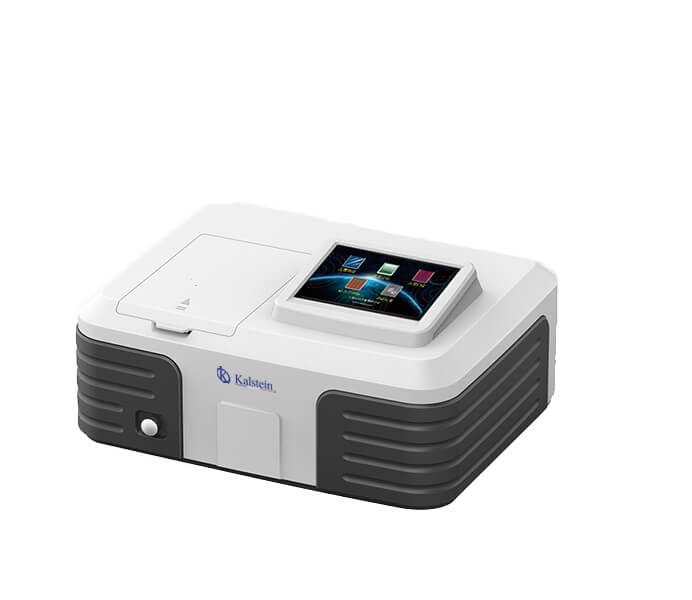
Double Beam Spectrophotometers: A Practical Step-by-Step Usage Guide 2026
Double beam spectrophotometers are essential tools in various laboratory settings, offering precise measurements across a wide spectrum of applications. This guide aims to provide laboratory professionals with comprehensive insights into how to use these instruments effectively in 2026.
What is it used for in 2026
In 2026, double beam spectrophotometers are widely utilized for measuring the absorbance or transmittance of a sample across specific wavelengths of light. Their dual-beam design allows for simultaneous measurement of the sample and a reference, which enhances precision and reduces the effects of fluctuations in light source intensity. Typical applications include:
- Quantitative analysis of DNA, proteins, and other biomolecules.
- Determination of concentration in chemical solutions.
- Spectral scanning for identifying substances based on their absorption characteristics.
- Kinetic studies to observe reaction rates.
History and evolution of the technology
The history of spectrophotometry dates back to the early 19th century when scientists began exploring the interaction of light with matter. The introduction of the double beam design in the mid-20th century marked a significant advancement, allowing for greater accuracy in measurements by compensating for any variations in the light source. Over the years, technological improvements have led to better detectors, enhanced software capabilities, and user-friendly interfaces, making double beam spectrophotometers indispensable tools in modern laboratories.
How to use it step by step
- Preparation: Ensure that the spectrophotometer is clean and calibrated. Check that the correct wavelength range and bandwidth settings are in place.
- Sample Placement: Place the cuvette containing the sample in the sample holder. Ensure that the cuvette is clean and free of bubbles.
- Reference Placement: Insert a blank cuvette that contains the solvent used to dissolve your sample into the reference holder.
- Zeroing the Instrument: Adjust the spectrophotometer to zero using the blank cuvette, ensuring accurate readings.
- Measurement: Select the desired wavelength and record the absorbance or transmittance of the sample.
- Data Recording: Save or print the results as needed for analysis.
- Cleaning: After use, clean the cuvettes and switch off the instrument.
Best techniques and protocols
To optimize the use of double beam spectrophotometers, consider the following techniques and protocols:
- Always calibrate the instrument before measurements to ensure accuracy.
- Utilize appropriate cuvettes, ensuring they are made from materials compatible with the wavelengths being used.
- Implement consistent sample preparation methods to reduce variability.
- Use control samples to validate experimental results.
- Regularly maintain the spectrophotometer as per the manufacturer's guidelines.
Practical applications by laboratory type
Double beam spectrophotometers find applications across various types of laboratories. Here are some examples:
- Biochemistry Labs: Used for protein quantification and DNA analysis.
- Chemistry Labs: Employed in analyzing chemical concentrations and reaction kinetics.
- Environmental Labs: Utilized for testing water quality and analyzing pollutants.
- Pharmaceutical Labs: Applied in drug formulation studies and stability testing.
Regulations, standards and certifications
When using double beam spectrophotometers, it's essential to adhere to various regulations and standards. Key organizations such as ISO, ASTM, and FDA set forth guidelines that laboratories must follow to ensure quality and reliability in their results. Regular audits and certifications can help maintain compliance with these standards, which is crucial for laboratories involved in research and quality control.
Comparison with alternative technologies
While double beam spectrophotometers are widely used, there are alternative technologies for spectroscopic analysis:
- Single Beam Spectrophotometers: Generally less expensive, but may not compensate for light source fluctuations as effectively as double beam models.
- Fluorometers: Utilize fluorescence instead of absorbance for analysis, often providing greater sensitivity for certain applications.
- Mass Spectrometers: Offer highly precise molecular weight analysis but involve more complex sample preparation and higher costs.
Comparison of available models
| Model | Best for | Key specs | Recommended use case |
|---|---|---|---|
| YR01858 | General laboratory analysis | 320-1100 nm, ± 0.3% T precision | Standard absorbance measurements |
| YR01862 | High precision analysis | 190-1100 nm, 1.8 nm bandwidth | Advanced spectral scanning |
| YR01862-1 | Comprehensive analyses | 190-1100 nm, 1.0 nm bandwidth | Broad range applications |
| YR01862-2 | Detailed spectral analysis | 190-1100 nm, 1.0 nm bandwidth | Precision measurements and research |
| YR01864 | Routine laboratory work | 190-1100 nm, 1.0 nm bandwidth | Common laboratory measurements |
| YR01865 | High sensitivity applications | 190-1100 nm, 0.5 nm bandwidth | Critical analyses requiring high accuracy |
Common mistakes and how to avoid them
Laboratory professionals must be aware of common pitfalls when using double beam spectrophotometers. Here are some mistakes to avoid:
- Not calibrating: Always calibrate the instrument before use to ensure the accuracy of results.
- Improper cuvette handling: Ensure cuvettes are handled carefully to avoid scratches or fingerprints that could affect readings.
- Ignoring maintenance: Regular maintenance is vital for reliable performance. Follow the manufacturer's guidelines.
- Inconsistent sample preparation: Use standardized procedures to prepare samples to minimize variability.
Maintenance, calibration and good practices 2026
To ensure optimal performance of double beam spectrophotometers, adhere to the following maintenance and calibration practices:
- Regularly clean optical components to prevent contamination.
- Calibrate the instrument at least once a month or before critical measurements.
- Check for software updates to enhance functionality and performance.
- Store the instrument in a stable environment to avoid temperature and humidity fluctuations.
Cost-benefit analysis 2026
When considering a double beam spectrophotometer, it is essential to conduct a cost-benefit analysis. Assess initial purchase costs against long-term operational costs, including maintenance and consumables. Additionally, evaluate the potential for increased productivity and data accuracy, which can justify the investment in more advanced models.
Frequently asked questions
What factors should I consider when choosing a double beam spectrophotometer?
When selecting a double beam spectrophotometer, consider the wavelength range, precision, ease of use, and compatibility with your specific applications. Evaluate whether the models offer the necessary features, such as data output options and software capabilities.
How do I ensure accurate measurements with a double beam spectrophotometer?
To obtain accurate measurements, calibrate the instrument regularly, use clean cuvettes, and prepare samples consistently. It is also essential to ensure that the light source is stable and that measurements are taken at the correct wavelength.
Can double beam spectrophotometers be used for qualitative analysis?
Yes, double beam spectrophotometers can be used for qualitative analysis by comparing the absorption spectra of different samples to identify substances based on their unique absorbance characteristics.
What maintenance practices are recommended for double beam spectrophotometers?
Regular cleaning of optical components, calibration before use, and ensuring proper storage conditions are crucial for maintaining a double beam spectrophotometer. Following the manufacturer's maintenance guidelines is also essential.
Are there any specific safety concerns when using a double beam spectrophotometer?
Yes, always handle chemicals and samples according to safety protocols. Additionally, ensure that the instrument is used in a well-ventilated area, especially when dealing with volatile solvents.
How can I integrate the use of a double beam spectrophotometer into my laboratory workflow?
To integrate a double beam spectrophotometer into your workflow, train staff on its operation, establish standardized procedures for sample analysis, and ensure data management practices are in place to facilitate reporting and analysis.
If you are looking for a fusion of innovation and quality, you have come to the right place. At Kalstein, we offer you the luxury of exploring our exclusive catalog of laboratory equipment. We manufacture every device to the highest standards of excellence. Our intuitive and seamless online purchasing channels are designed for your convenience, securing the most competitive prices. Hesitate no longer — we bring science to life, it is time to become part of our community.