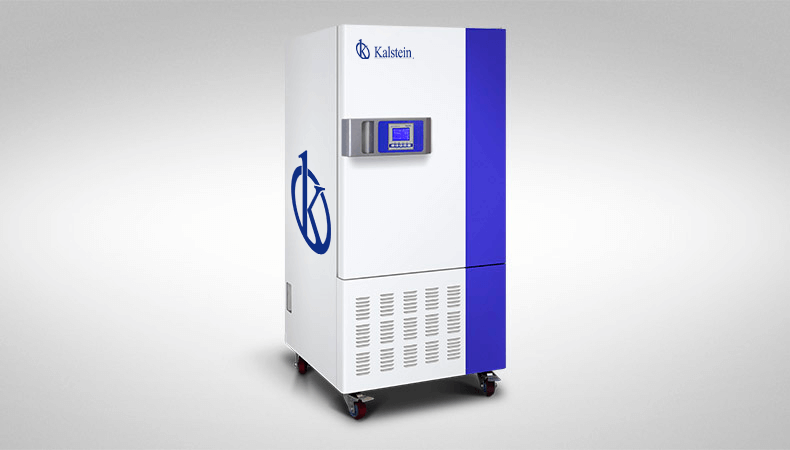
Drug Stability Test Chambers: Practical Applications and Techniques 2026
What is it used for in 2026
The Drug Stability Test Chamber is primarily utilized in the pharmaceutical and biotechnology industries to assess the stability of drugs under various environmental conditions. These chambers simulate conditions such as temperature, humidity, and light exposure, allowing researchers to determine the shelf life and efficacy of pharmaceutical products. In 2026, the importance of these chambers has escalated, especially with the growing emphasis on regulatory compliance and quality assurance in drug manufacturing.
History and evolution of the technology
The concept of drug stability testing has evolved significantly since its inception. Originally, stability testing was a rudimentary process that relied on simple observations. With advancements in technology, the introduction of automated Drug Stability Test Chambers has revolutionized this field. Early models were limited in functionality, while contemporary chambers like the YR05350, YR05351, and YR05352 feature precise temperature control, humidity regulation, and enhanced monitoring capabilities, thereby offering more reliable and reproducible results.
How to use it step by step
Using a Drug Stability Test Chamber involves a series of systematic steps:
- Preparation: Ensure that the chamber is clean and calibrated. Check that all sensors and controls are operational.
- Sample placement: Place the pharmaceutical samples within the chamber according to the manufacturer’s guidelines. Ensure that they are not overcrowded to allow for proper air circulation.
- Setting parameters: Input the desired temperature and humidity settings based on the specific requirements of the testing protocol.
- Monitoring: Regularly check the readings on the chamber’s display, ensuring that environmental conditions remain stable.
- Data collection: Retrieve data at specified intervals. Utilize built-in software for analysis if available.
- Reporting: Document the findings and compare them against established standards to determine the stability of the drugs tested.
Best techniques and protocols
The best techniques for utilizing drug stability test chambers include:
- Use of control samples: Always include known stable and unstable samples in your test batches to provide a benchmark for evaluating results.
- Regular calibration: Ensure that the chambers are calibrated regularly to maintain accuracy in readings.
- Environmental controls: Utilize features such as forced convection to maintain uniformity in temperature and humidity.
- Automation: Take advantage of automated data logging and reporting systems to reduce human error and improve efficiency.
Practical applications by laboratory type
Drug Stability Test Chambers find applications across various laboratory types:
- Pharmaceutical laboratories: To ensure drug formulations meet stability requirements before market release.
- Biotechnology facilities: For testing the stability of biologics and biosimilars, which are sensitive to environmental conditions.
- Quality control laboratories: To verify that products remain within specifications during storage.
- Research and development labs: For conducting experiments on new formulations and assessing their stability under different conditions.
Regulations, standards and certifications
In 2026, compliance with regulations set by organizations such as the FDA and ICH is critical. Drug Stability Test Chambers must meet specific standards for performance and calibration to ensure results are valid. Laboratories must adhere to guidelines regarding testing protocols, documentation, and reporting to maintain certification and operational integrity.
Comparison with alternative technologies
While drug stability test chambers are crucial, alternative technologies exist for stability testing:
- Accelerated stability testing: Utilizes higher temperatures and humidity to predict shelf life more quickly but may not be as reliable as long-term testing.
- Real-time stability testing: Involves monitoring samples over extended periods under actual storage conditions, which can be time-consuming and expensive.
- Computer modeling: Assesses stability through simulation and predictive analytics, but may lack empirical validation compared to physical testing.
Comparison of available models
| Model | Best for | Key specs | Recommended use case |
|---|---|---|---|
| YR05350 | Comprehensive stability testing | Temperature range: 0-60°C, Humidity range: 50-90% HR | Pharmaceutical stability testing under controlled conditions |
| YR05351 | Enhanced temperature stability | Temperature accuracy: ±0.1°C, Humidity fluctuation: ±3% HR | Testing of sensitive biologics and pharmaceuticals |
| YR05352 | Advanced environmental monitoring | Uniformity: ±1.5 at 10-40°C, Automatic defrosting | Long-term stability testing for quality assurance |
Common mistakes and how to avoid them
Common mistakes when using Drug Stability Test Chambers include:
- Improper calibration: Ensure regular calibration to maintain accuracy.
- Overloading the chamber: Avoid overcrowding samples to ensure even environmental conditions.
- Inconsistent monitoring: Establish a routine for checking conditions and data collection.
- Neglecting documentation: Keep detailed records of all testing procedures and results for compliance.
Maintenance, calibration and good practices 2026
To ensure optimal performance of Drug Stability Test Chambers, adhere to the following maintenance practices:
- Regular cleaning: Clean the interior surfaces to prevent contamination.
- Calibration schedule: Follow the manufacturer’s guidelines for calibration frequency to ensure reliable results.
- Software updates: Keep chamber software up to date for improved functionality and features.
- Training personnel: Ensure staff are trained in operating procedures and troubleshooting.
Cost-benefit analysis 2026
Investing in a Drug Stability Test Chamber presents various benefits:
- Quality assurance: Ensures product reliability and compliance with regulatory standards.
- Efficiency: Reduces testing time and labor costs through automated features.
- Market readiness: Facilitates timely product launches by providing stability data essential for regulatory submissions.
Frequently asked questions
What factors should I consider when choosing a drug stability test chamber?
Consider the specific environmental conditions you need to simulate, the capacity for your samples, and the technology features such as automated monitoring and data logging capabilities. Additionally, assess compliance with relevant regulations.
How often should I calibrate my stability test chamber?
Calibration frequency should align with the manufacturer’s recommendations, typically every 6 to 12 months, or more frequently if the chamber is heavily used or has been moved.
Can I use a drug stability test chamber for both pharmaceuticals and biologics?
Yes, many modern chambers are designed to handle both pharmaceuticals and biologics; however, ensure that the selected model has the appropriate specifications for each type of product under testing conditions.
What is the typical lifespan of a drug stability test chamber?
The lifespan can vary by model and usage, but with proper maintenance and calibration, a drug stability test chamber can last 10 years or more.
Are there any specific maintenance tips to prolong the life of my chamber?
Regular cleaning, timely calibration, software updates, and ensuring the chamber doors are securely closed to maintain internal conditions are essential for prolonging the lifespan of the unit.
How do I ensure compliance with regulatory standards in my testing?
Adhere to established protocols for testing, maintain thorough documentation of all operations, and ensure your equipment is calibrated and validated according to regulatory guidelines.
If you are looking for a fusion of innovation and quality, you have come to the right place. At Kalstein, we offer you the luxury of exploring our exclusive catalog of laboratory equipment. We manufacture every device to the highest standards of excellence. Our intuitive and seamless online purchasing channels are designed for your convenience, securing the most competitive prices. Hesitate no longer — we bring science to life, it is time to become part of our community.