Energy Sustainability and Environmental Footprint Reduction in Industrial Ovens: A 2026 Perspective
As global concerns about energy sustainability and environmental footprints intensify, the demand for industrial ovens that not only meet operational needs but also contribute to reducing ecological impact has surged. This article explores the evolution of industrial ovens, particularly focusing on their energy efficiency and sustainable operations in the year 2026. By examining specific models, we identify key features and technologies that enhance energy performance and minimize environmental footprints.
Understanding Energy Sustainability in Industrial Ovens
Energy sustainability pertains to the efficient use of energy resources to minimize waste and reduce greenhouse gas emissions. In the context of industrial ovens, this means optimizing heating processes, using materials with lower environmental impact, and implementing advanced technologies that facilitate energy conservation. As industrial processes evolve, the integration of these practices becomes critical for compliance with regulations and achieving corporate sustainability goals.
Comparison of Available Models
| Model | Power Consumption (kW) | Heating Capacity (liters) | Temperature Range (℃) | Best Use Case |
|---|---|---|---|---|
| YR05256-A | 4–6 | 300 | RT+5 to 250 | Batch drying in industrial settings |
| YR05257-1-A | 8–12 | 864 | RT+5 to 250 | Large volume production drying |
| YR05258-SS | 4–6 | 300 | RT+5 to 250 | Industrial drying processes |
| YR05259-1-SS | 8–12 | 864 | RT+5 to 250 | Continuous batch drying requirements |
Key Features Promoting Energy Efficiency
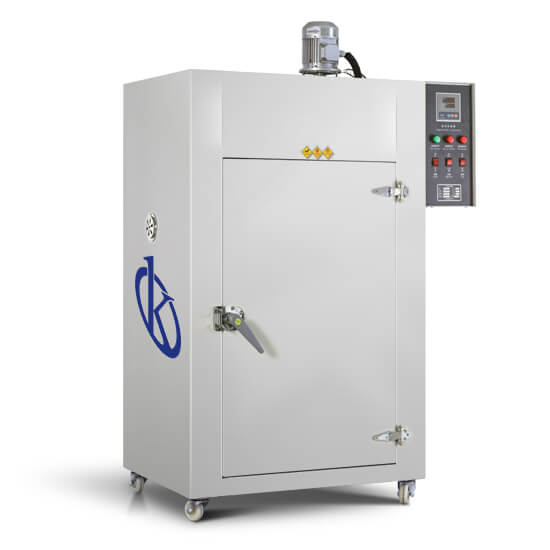
Modern industrial ovens are equipped with several features that enhance their energy efficiency. For instance, intelligent temperature control through microcomputer systems ensures optimal heating without excessive energy use. Moreover, the design of centrifugal wind wheels promotes uniform heat distribution, reducing energy wastage. The incorporation of double-layer doors, as seen in the YR05257-1-A and YR05259-1-SS models, improves insulation, further lowering energy consumption.
Technological Innovations and Their Impact
As the market progresses towards 2026, technological innovations such as digital monitoring and automated systems are becoming increasingly vital in industrial ovens. These technologies allow for real-time analysis of energy use, enabling laboratories to adjust operations for maximum efficiency. Enhanced monitoring capabilities can identify energy consumption patterns, allowing for proactive adjustments that align with sustainability goals.
Case Study: Energy Consumption Analysis
| Model | kWh Per Batch | Estimated Annual Energy Cost (USD) | Energy Savings Potential (%) |
|---|---|---|---|
| YR05256-A | 12 | 1,560 | 20 |
| YR05257-1-A | 24 | 3,120 | 15 |
| YR05258-SS | 12 | 1,560 | 20 |
| YR05259-1-SS | 24 | 3,120 | 15 |
Best Practices for Reducing Environmental Footprint
To effectively reduce the environmental footprint, laboratories should implement best practices such as routine maintenance checks, calibration of heating elements, and proper training for operational staff. These practices not only enhance energy efficiency but also contribute to a longer lifespan for the equipment, thus ensuring lower waste generation over time.
Common Mistakes and How to Avoid Them
A typical mistake in managing industrial ovens is neglecting regular maintenance, which can lead to inefficient operation and higher energy costs. Furthermore, misunderstanding the specifications of the oven, such as power consumption and temperature capabilities, can result in improper usage that detracts from energy efficiency. To avoid these pitfalls, labs should establish a maintenance schedule and ensure all personnel are adequately trained.
Frequently Asked Questions
How can I ensure energy efficiency with my industrial oven in 2026?
To ensure energy efficiency with your industrial oven, consider models like YR05256-A or YR05257-1-A that feature advanced temperature controls and energy-efficient designs. Regular maintenance and monitoring energy use can also enhance performance while aligning with 2026 sustainability goals.
What is the energy consumption of the YR05258-SS model in typical operations?
The YR05258-SS model typically consumes around 12 kWh per batch, leading to an estimated annual energy cost of about 1,560 USD. Its design promotes energy savings of approximately 20%, making it an efficient option for industrial operations.
Which industrial oven model is best for large volume production in 2026?
The YR05257-1-A model is particularly well-suited for large volume production due to its substantial heating capacity of 864 liters and robust power consumption range of 8-12 kW. This model is designed for continuous operation, aligning with production demands in 2026.
What are the common maintenance practices for industrial ovens?
Common maintenance practices for industrial ovens include regular cleaning, temperature calibration checks, and inspections of heating elements. For models like YR05259-1-SS, these practices can significantly improve energy efficiency and prolong operational life.
How to choose an industrial oven with a low environmental footprint?
Choosing an industrial oven with a low environmental footprint involves selecting models such as the YR05256-A, which features advanced insulation and energy-efficient heating technology. Evaluating energy consumption metrics and compliance with sustainability standards is also crucial.
What role does temperature control play in sustainable oven operation?
Temperature control plays a crucial role in sustainable oven operation by reducing energy waste. Models like YR05257-1-A utilize intelligent microcomputer controls to optimize heating processes, thereby contributing to overall energy savings and lower environmental impact.
How can I estimate the return on investment for an energy-efficient industrial oven?
To estimate the return on investment for energy-efficient industrial ovens, calculate the initial investment costs against expected energy savings. For example, the YR05258-SS can save about 20% in energy costs annually, making it a financially sound option in the long run.
If you are looking for a fusion of innovation and quality, you have come to the right place. At Kalstein, we offer you the luxury of exploring our exclusive catalog of laboratory equipment. We manufacture every device to the highest standards of excellence. Our intuitive and seamless online purchasing channels are designed for your convenience, securing the most competitive prices. Hesitate no longer — we bring science to life, it is time to become part of our community.