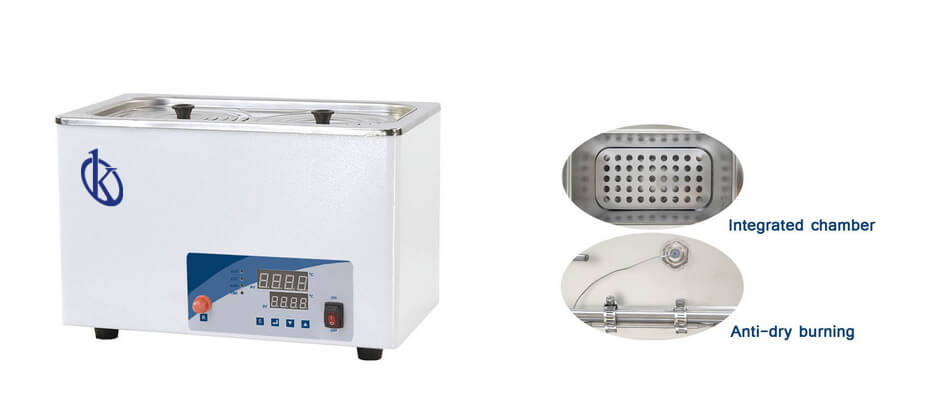
Energy Sustainability and Environmental Footprint Reduction in Water Baths 2026
As laboratories strive to meet increasing demands for sustainability and environmental responsibility, energy-efficient solutions in equipment such as water baths have become essential. This article delves into the energy sustainability and environmental footprint reduction capabilities of various models, showcasing how they can enhance your laboratory's efficiency while minimizing ecological impact.
Understanding Energy Sustainability in Laboratory Water Baths
Water baths are critical in many laboratory processes, from molecular biology to chemical analysis. However, traditional models may consume excessive energy and resources. A focus on energy sustainability involves evaluating the energy consumption per cycle, the materials used, and overall lifecycle impacts. By selecting modern water baths that emphasize energy efficiency, laboratories can significantly reduce their carbon footprints.
The Role of Water Baths in Environmental Footprint Reduction
Environmental footprint encompasses not just energy consumption but also water use, waste generation, and overall sustainability practices. Water baths that are designed for efficient water usage, equipped with energy-saving technology, and constructed from recyclable materials contribute positively to reducing the overall environmental impact. Understanding the models available allows laboratories to make informed decisions aligned with sustainability goals.
Comparison of Available Models
| Model Code | Power Consumption (W) | Temperature Range (°C) | Best Applications | Environmental Features |
|---|---|---|---|---|
| YR05073 | 300-1200 | RT + 5 to 100 | General laboratory use | PID control for energy efficiency |
| YR05074 | 300-1200 | RT + 5 to 100 | Medium-scale experiments | Integrated conservation features |
| YR030L | Unknown | RT to 100 | Biochemical applications | High-precision temperature control |
| YR05001 | 3300-9000 | -35 to 200 | Chemical reactors | Multi-system efficiency |
| YR05002 | 3300-9000 | -35 to 200 | Chemical reactors | Advanced safety and efficiency |
| YR05003 | 3300-9000 | -35 to 200 | Chemical reactors | Optimized for energy savings |
Common Mistakes and How to Avoid Them
One common mistake is selecting water baths solely based on initial cost, neglecting their energy efficiency and long-term operational costs. Another issue is overlooking the environmental features that models offer. Laboratories should prioritize models that provide detailed specifications on energy use and sustainability. Read reviews and consult with manufacturers to ensure the chosen equipment aligns with your sustainability goals.
Strategies for Enhancing Energy Efficiency
In addition to selecting energy-efficient models, laboratories can adopt several strategies to enhance energy sustainability. Implementing regular maintenance schedules can ensure equipment runs at optimal efficiency. Utilizing water baths only when necessary and at the required temperatures can reduce energy consumption significantly. Conducting energy audits to identify areas for improvement in operational practices is also essential.
Evaluation of Lifecycle Impacts
A comprehensive assessment of lifecycle impacts should include not only energy consumption during use but also the manufacturing process and final disposal of water baths. Opting for models made with recyclable materials, like stainless steel, can minimize waste. Maintenance practices that extend the operational life of equipment can also lead to a lower environmental footprint over time.
Integrating Water Baths with Sustainable Practices
To maximize the sustainability benefits of water baths, integrating them with broader laboratory sustainability initiatives is crucial. This can include implementing waste reduction strategies, optimizing resource allocation, and fostering a culture of sustainability among laboratory personnel. Regular training on sustainability practices can also empower staff to contribute to the laboratory's environmental goals.
Frequently Asked Questions
What are the energy-saving features of the Water Bath YR05073 in 2026?
The Water Bath YR05073 features PID control, allowing for precise temperature management, which enhances energy efficiency. This model is suitable for general laboratory use and is designed to reduce energy consumption during operation, aligning with sustainability goals.
How does the Water Bath YR030L contribute to sustainability in laboratory environments?
The Water Bath YR030L offers silent operation and a high-precision temperature control system, which reduces energy waste. Its design caters to biochemical applications, making it an excellent choice for labs focused on minimizing their environmental footprint.
Which water bath model is best for reducing water usage in labs in 2026?
Models like YR05073 and YR05074 are designed with integrated features that promote better drainage and efficient water usage. Selecting these models can help laboratories significantly reduce their water consumption while maintaining performance.
What maintenance practices enhance the energy efficiency of water baths?
Regular maintenance, such as checking seals and cleaning components, ensures optimal performance of water baths like YR05074. This helps maintain energy efficiency and prolongs the life of the equipment, contributing to lower overall environmental impact.
How do the prices of water baths like YR05001 reflect their energy efficiency?
The pricing of models such as YR05001 may be higher due to advanced features that enhance energy efficiency and safety. While initial costs might be significant, the long-term savings on energy usage will justify the investment in sustainable laboratory practices.
What impact do water baths have on laboratory energy consumption in 2026?
Water baths have a significant impact on laboratory energy consumption, especially when not energy-efficient. Choosing models like YR05003, designed for optimized energy savings, can dramatically reduce a laboratory's overall carbon footprint.
What are the best practices for using water baths in a sustainable manner?
Best practices include using efficient models like YR05074, limiting operational times, and adhering to optimal temperature ranges. Each of these practices contributes to reduced energy consumption and aligns with broader sustainability goals in laboratory environments.
How can laboratories measure their water bath's environmental impact?
Laboratories can measure environmental impacts by assessing energy consumption data, analyzing water usage statistics, and evaluating waste generation during the lifespan of water baths like YR05001. Regular audits can help identify areas for further improvement.
If you are looking for a fusion of innovation and quality, you have come to the right place. At Kalstein, we offer you the luxury of exploring our exclusive catalog of laboratory equipment. We manufacture every device to the highest standards of excellence. Our intuitive and seamless online purchasing channels are designed for your convenience, securing the most competitive prices. Hesitate no longer — we bring science to life, it is time to become part of our community.