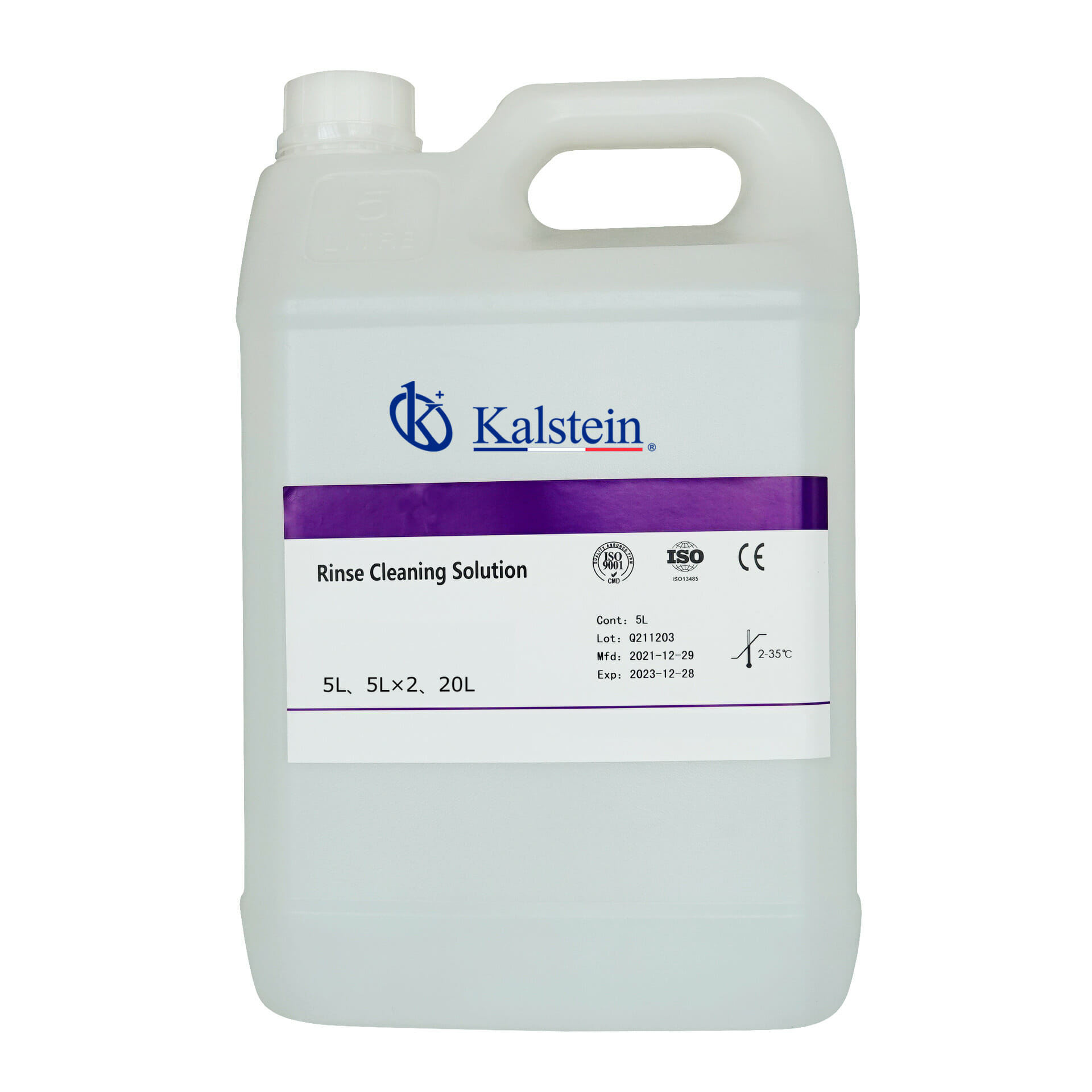
How to Achieve Energy Sustainability with Hematology Reagents
As laboratory professionals increasingly focus on energy sustainability and minimizing environmental footprints, the choice of hematology reagents plays a crucial role. Hematology reagents are essential for blood analysis, but their production and use can significantly impact energy consumption and waste generation. This article delves into effective strategies for achieving energy sustainability within the context of various hematology reagents, while also providing a detailed comparison of available models.
The Importance of Energy Sustainability in Hematology
Energy sustainability in hematology refers to the practices and methods that laboratories can adopt to reduce energy usage and environmental pollution. Given the rising awareness of climate change, laboratories are under pressure to adopt more sustainable practices. Energy-efficient reagents can decrease the overall carbon footprint associated with laboratory operations.
In hematology, reagents such as Hematological Reagents YRA45, YRA46, and YRA47 can be evaluated not only for their performance in blood analysis but also for their impact on energy consumption and waste management. By making informed choices, laboratories can contribute to a more sustainable future.
Overview of Hematology Reagents and Their Environmental Impact
Hematology reagents are chemical substances used to analyze blood components, including red and white blood cells and hemoglobin levels. The production and disposal of these reagents can lead to significant energy consumption and hazardous waste generation if not managed properly.
For example, Hematological Reagents YRA48 is designed for cleaning blood analysis systems, which can reduce the need for frequent replacements of components, thereby minimizing waste. Choosing more efficient reagents can lead to lower energy costs and reduced environmental impact.
Strategies for Reducing Energy Consumption in Hematology Labs
To promote energy sustainability in hematology, laboratories should consider the following strategies:
- Optimize Reagent Usage: Implement protocols to minimize reagent waste by ensuring accurate dosing and usage tracking.
- Switch to Energy-Efficient Models: Use reagents that require less energy during analysis, such as those from the YRA family.
- Regular Maintenance: Ensure that all equipment is regularly maintained to maximize efficiency and reduce energy consumption.
- Educate Staff: Provide training on sustainable practices and the importance of energy management in laboratory processes.
Comparison of Available Models
| Model | Energy Consumption (kWh per run) | Reagent Volume | Best For | Environmental Impact Rating |
|---|---|---|---|---|
| YRA45 | 0.5 | 20L | General use | Moderate |
| YRA46 | 0.4 | 500 ml | Lyse application | Low |
| YRA47 | 0.6 | 5L, 20L | Clarification | Moderate |
| YRA48 | 0.3 | 100 ml | Cleaning system | Low |
| YRA49 | 0.5 | 50 ml | Probe cleaning | Moderate |
| YRA50 | 0.4 | 20L | General use | Low |
Common Mistakes and How to Avoid Them
Laboratories often make mistakes that hinder their sustainability goals. Here are common pitfalls and how to avoid them:
- Not Tracking Reagent Usage: Implementing a reagent management system can help track usage and minimize waste.
- Ignoring Equipment Maintenance: Regular maintenance can prevent inefficiencies and unexpected costs associated with energy consumption.
- Failure to Educate Staff: Regular training and updates for staff can enhance awareness and empower them to contribute to sustainability efforts.
Frequently Asked Questions
How do hematology reagents impact overall laboratory energy use effectiveness?
Hematology reagents can significantly affect a laboratory's energy use effectiveness. For instance, using YRA46, which only requires 0.4 kWh per run, minimizes energy consumption while still providing accurate results, thus ensuring efficient lab operations.
What measures can I take to reduce waste from hematology reagents?
To reduce waste from hematology reagents, laboratories should consider implementing a tracking system for reagent consumption and utilizing reagents like YRA48, designed for cleaning, which helps maintain systems without excessive waste generation.
Which hematology reagents provide the lowest environmental impact?
Among the hematology reagents, YRA48 has a low environmental impact rating due to its minimal energy consumption and effective cleaning capabilities, making it suitable for sustainable laboratory practices.
How can I ensure compliance with energy sustainability regulations in my lab?
To ensure compliance, it is essential to evaluate your reagents. Using models like YRA45, which supports efficient laboratory processes, helps in adhering to sustainability guidelines while maintaining regulatory compliance.
What is the recommended reagent volume for sustainable hematology practices?
Choosing the right reagent volume is critical. For example, YRA46 at 500 ml allows for efficient use while minimizing waste, making it a sustainable choice for labs focused on reducing their environmental footprint.
Which hematology reagents are ideal for cleaning with a focus on energy efficiency?
YRA48 is ideal for cleaning hematological systems with energy efficiency in mind, as it uses only 0.3 kWh per run, thus significantly reducing overall energy costs while maintaining performance.
How can energy sustainability improve my laboratory’s operational efficiency?
Energy sustainability can enhance operational efficiency by lowering energy costs and promoting efficient reagent usage. Utilizing models like YRA49 helps streamline processes, resulting in less downtime and optimized performance.
If you are looking for a fusion of innovation and quality, you have come to the right place. At Kalstein, we offer you the luxury of exploring our exclusive catalog of laboratory equipment. We manufacture every device to the highest standards of excellence. Our intuitive and seamless online purchasing channels are designed for your convenience, securing the most competitive prices. Hesitate no longer — we bring science to life, it is time to become part of our community.