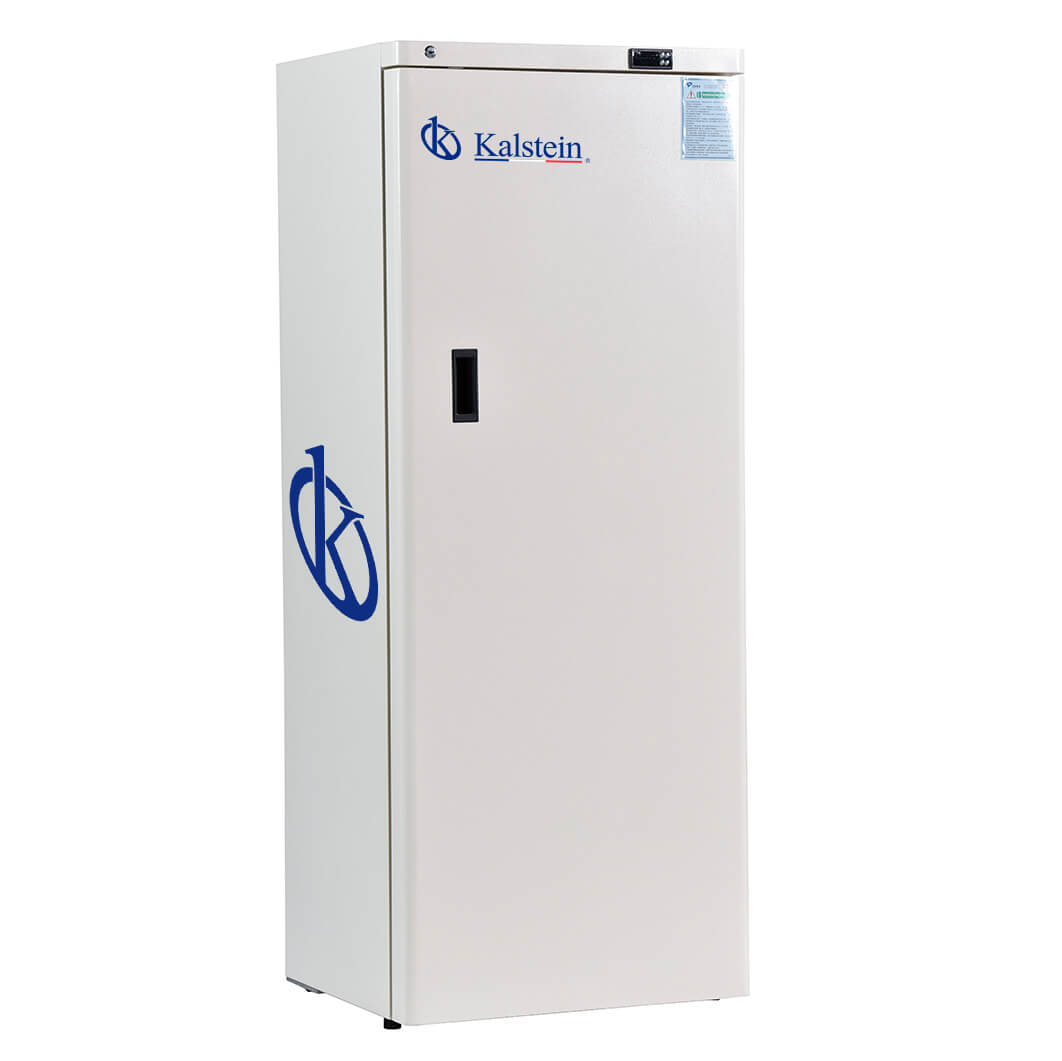
Energy Sustainability and Environmental Footprint Reduction in Upright Freezers for Laboratories 2026
Laboratories worldwide are increasingly focused on enhancing energy sustainability and reducing their environmental footprint. In this context, upright freezers play a vital role, as they are essential for the preservation of biological samples while also being energy-intensive equipment. This article delves into various models of upright freezers, highlighting their features and efficiencies, and how they contribute to energy sustainability efforts in laboratories as we move into 2026.
Understanding Energy Sustainability in Laboratory Environments
Energy sustainability refers to the efficient use of energy resources while minimizing environmental impact. For laboratories, especially those relying on upright freezers, adopting energy-efficient technology is crucial. These freezers must maintain stable low temperatures while consuming less energy, thereby reducing overall operational costs and carbon footprints. By selecting models with advanced insulation, efficient compressors, and lower energy consumption rates, labs can significantly reduce their environmental impact.
Key Features of Energy-Efficient Upright Freezers
When considering upright freezers, laboratories should focus on several key features that enhance energy efficiency:
- Refrigerant Type: Using environmentally friendly refrigerants like R290 can lower environmental risks.
- Insulation: High-density foam insulation prevents thermal loss, maintaining stable temperatures without excessive energy consumption.
- Microprocessor Controls: Advanced control systems allow precise temperature management, reducing energy waste.
- Alarm Systems: Multiple alarms for temperature fluctuations enhance safety and protect samples.
Comparison of Available Models
| Model | Temperature Range (°C) | Energy Consumption (kWh/24h) | Best Application | Price (USD) |
|---|---|---|---|---|
| YR05097 | -10 to -25 | 1.5 | General laboratory use | 588.00 |
| YR05297 | -40 to -86 | 12.8 | Storage of sensitive biological materials | 3110.00 |
| YR05296 | -40 to -86 | 11.2 | Long-term preservation of biological samples | 2480.00 |
| YR05295 | -10 to -25 | 10.0 | Large-volume storage for hospitals | 3400.00 |
| YR05294 | -10 to -25 | 1.0 | Storage of vaccines and plasma | 1030.00 |
| YR05293 | -10 to -25 | 1.0 | Biomedical applications | 840.00 |
Evaluating Energy Consumption and Environmental Impact
To better understand the environmental impact of upright freezers, laboratories should evaluate energy consumption metrics. For example, a freezer like the YR05297 with an energy consumption of 12.8 kWh/24h may be suitable for deep storage needs, but its energy footprint is considerably higher compared to models like the YR05097, which only consumes 1.5 kWh/24h. Assessing the total cost of operation in terms of energy consumption can guide labs in making informed decisions.
Common Mistakes and How to Avoid Them
Choosing the right upright freezer for a laboratory involves careful consideration of various factors. Common mistakes include:
- Overlooking Energy Ratings: Always check the energy ratings of freezers; models like the YR05097 and YR05294 showcase lower energy consumption that can save costs.
- Ignoring Size Requirements: Ensure the chosen model meets capacity needs without excessive operational costs.
- Neglecting Maintenance: Regular maintenance is vital for efficiency; models with accessible components simplify this task.
Lifecycle Assessment and E-Waste Management
As labs strive for sustainability, it’s crucial to consider the lifecycle of upright freezers and their components. Implementing a lifecycle assessment (LCA) allows labs to evaluate the environmental impacts from production to disposal. It is essential to choose models designed for longevity and recyclability, thus reducing e-waste. For instance, freezers made with high-quality materials like stainless steel can typically be recycled at the end of their lifecycle.
Future Trends in Energy Sustainability for Laboratories
Looking ahead to 2026, trends in energy sustainability for laboratory freezers indicate a shift towards smarter technologies. Innovations may include:
- Integrating IoT Technologies: Smart monitoring systems will facilitate better energy management and reduce waste.
- Use of Renewable Energy: Laboratories may begin to power freezers with renewable sources like solar energy.
- Improved Insulation Materials: The adoption of advanced insulation technologies will further enhance energy efficiency.
Frequently Asked Questions
How do upright freezers contribute to energy sustainability in laboratories?
Upright freezers contribute to energy sustainability by utilizing advanced insulation and energy-efficient compressors. Models like YR05097 use only 1.5 kWh/24h, helping labs significantly reduce their energy consumption and overall environmental impact.
What is the energy consumption of different upright freezer models in 2026?
The energy consumption varies across models; for instance, the YR05297 consumes 12.8 kWh/24h, making it suitable for deep storage, whereas the YR05097 is more efficient at 1.5 kWh/24h.
Which upright freezer is best for hospitals focusing on environmental impact?
The YR05295 with a capacity of 936L and lower energy consumption is ideal for hospitals as it balances large storage needs with energy efficiency, promoting better environmental practices.
How can laboratories reduce their environmental footprint with freezer choices?
By selecting models like the YR05294, which uses R290 refrigerant and has lower energy consumption, laboratories can significantly reduce their environmental footprint while maintaining essential storage functions.
What lifecycle considerations should labs keep in mind for upright freezers?
Labs should evaluate the entire lifecycle of upright freezers, like the YR05296, emphasizing recyclable materials and longevity to minimize e-waste and environmental impact at disposal.
How can microprocessor controls enhance energy efficiency in upright freezers?
Microprocessor controls, found in models like YR05293, allow for precise temperature management, which reduces energy waste and enhances the overall efficiency of upright freezers in laboratories.
What future innovations can improve energy sustainability in laboratory freezers?
Future innovations may include IoT integration for smart monitoring, improved insulation technologies, and the use of renewable energy sources, greatly enhancing energy sustainability.
How much can a lab save by choosing energy-efficient upright freezers?
Choosing energy-efficient models like the YR05097 can lead to significant savings on energy bills, with estimates suggesting a reduction of operational costs by up to 30% compared to less efficient models.
If you are looking for a fusion of innovation and quality, you have come to the right place. At Kalstein, we offer you the luxury of exploring our exclusive catalog of laboratory equipment. We manufacture every device to the highest standards of excellence. Our intuitive and seamless online purchasing channels are designed for your convenience, securing the most competitive prices. Hesitate no longer — we bring science to life, it is time to become part of our community.