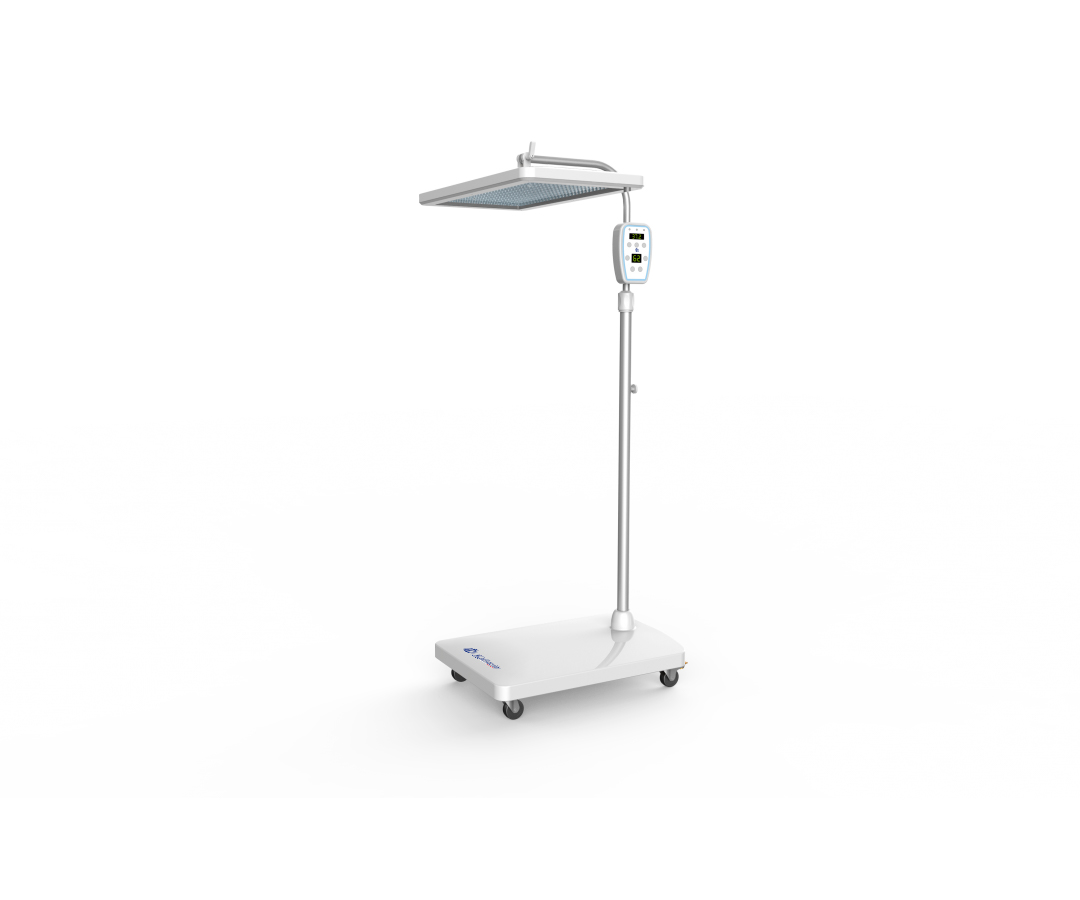
Kalstein Infant Bilirubin Phototherapy Unit
From my personal experience in neonatal care, I can confidently say that the Kalstein Infant Bilirubin Phototherapy Unit stands out as a game-changer in treating jaundice in newborns. As a dedicated specialist, I've seen firsthand how effective these units are in reducing bilirubin levels in infants, thereby preventing further complications. What sets this unit apart is not just its performance, but its design tailored with the well-being of both the infant and medical staff in mind.
When we talk about the Kalstein Infant Bilirubin Phototherapy Unit, we're referring to more than just a piece of equipment. It's an essential tool that is pivotal in neonatal care, ensuring that even the tiniest patients receive the most advanced and gentle treatment available. The focus is always on providing efficient, safe, and tailored care, and the feedback I've received from fellow practitioners only reinforces this sentiment.
Features of the Infant Bilirubin Phototherapy Unit
One of the standout features of this phototherapy unit is its innovative design that optimizes light exposure while providing comfort to infants. The unit is equipped with high-intensity blue LED lights, which have been proven to break down bilirubin efficiently. In my professional practice, I've observed a noticeable improvement in treatment speed when compared to other units I've used before.
Moreover, it includes a user-friendly interface, making it accessible for all medical staff, regardless of their experience level. Another feature worth mentioning is its adjustable height and angle settings, tailored to fit seamlessly into different care environments. This flexibility ensures that every infant, regardless of size or condition, receives optimal light exposure to aid in their recovery.
Different Types or Models of the Infant Bilirubin Phototherapy Unit
Within the range of phototherapy units offered by Kalstein, there are several models, each catering to varied clinical needs. From tabletop units designed for smaller clinics to more advanced models for intensive care nurseries, Kalstein ensures that every setting is equipped with the right solution. Each model adheres to the stringent quality standards that Kalstein is known for, ensuring reliability and effectiveness.
For institutions with limited space, the compact mobile units offer high-efficiency treatment without compromising on performance. For hospitals catering to a larger number of patients, the advanced units come with additional features such as integrated monitoring systems and customizable light settings to provide tailored care to each infant.
Why Does the Infant Bilirubin Phototherapy Unit Have This Price?
The cost of the Kalstein Infant Bilirubin Phototherapy Unit is reflective of its advanced technology and the extensive research and development that underpin its design. In my understanding, investing in such a unit is justified by the significant impact it has on patient outcomes. The durability of these units, combined with reduced energy consumption through LED technology, adds to their long-term value, making them a sensible choice for any healthcare facility.
While initially, the price might seem steep compared to other models on the market, considering the high-quality components and the rigorous safety standards it adheres to, it becomes clear that this unit is an investment in better healthcare delivery. The robust build and features like advanced light settings also help in effectively managing a higher number of patients, thereby offering better utility.
Comparing the Infant Bilirubin Phototherapy Unit with Similar Products
In comparison to competitors like Dräger and GE Healthcare, the Kalstein unit offers a superior balance of affordability and high-end features. While Dräger's units are renowned for their precision, they come at a significantly higher price. Meanwhile, GE Healthcare products are well-regarded for their durability and reliability, yet they often require additional training for effective use.
The Kalstein unit, on the other hand, manages to integrate intuitive use with cutting-edge technology, making it accessible for a wider range of healthcare providers. This ensures that even smaller facilities can access top-tier phototherapy treatment without overstretching their budgets.
Pros and Cons of the Infant Bilirubin Phototherapy Unit
| Pros | Cons |
|---|---|
| Efficient bilirubin reduction | Initial cost may be high |
| Adjustable settings for customized care | Requires periodic maintenance |
| User-friendly interface | Specialized parts may be needed for repair |
| Energy-efficient LED lights | Limited models for very high volume centers |
| Durability and reliability | Availability may vary by region |
| Compact design for small spaces | Requires user training for optimal use |
| High-intensity light for faster treatment | |
| Proven impact on patient recovery rates |
Benefits of Using These Infant Bilirubin Phototherapy Units
As someone deeply involved in neonatal care, I understand the critical role that these units play. The primary benefit is, of course, the reduction in bilirubin levels, which significantly lowers the risk of severe complications from jaundice. This is vital for ensuring the continued health and development of infants. The rapid effectiveness of the Kalstein unit minimizes the time newborns spend under treatment, allowing them more time for bonding and breastfeeding—a crucial component of their early development.
Additionally, the easy-to-use interface ensures that all members of the medical team can operate it efficiently, which is essential in high-pressure environments like neonatal wards. This accessibility leads to fewer errors and a consistent standard of care across different personnel shifts.
Additional Advantages of the Infant Bilirubin Phototherapy Unit
Complementing its core benefits, the Kalstein unit offers a host of additional advantages. One feature that I appreciate is its portability; it can be easily moved within the facility to suit various setups without compromising treatment efficacy. This flexibility is a boon for facilities with limited space or those that need to reconfigure rapidly to meet changing patient numbers.
Moreover, the low energy consumption of the LED lights translates to reduced operational costs over time. This is a crucial aspect that ensures facilities can allocate funds more efficiently, channeling savings into other crucial areas of patient care. The unit’s long lifespan also ensures that it stands the test of time, making it a worthy investment.
User References for the Infant Bilirubin Phototherapy Unit
Feedback from users across various healthcare facilities echoes what I’ve observed firsthand. Many practitioners highlight the device's reliability and ease of use, which is particularly beneficial for staff working long shifts. One common sentiment is the peace of mind that comes from using a device known for consistent performance.
Parents have also expressed relief at the swift results observed in their newborns, reducing the stress associated with hospital stays. This positive impact reflects not just on the infant but also on the family unit, showcasing the far-reaching benefits of incorporating the Kalstein unit into neonatal care protocols.
Frequently Asked Questions
What is the main purpose of the Infant Bilirubin Phototherapy Unit?
The primary purpose is to reduce bilirubin levels in newborns with jaundice, preventing potential complications and ensuring healthy development.
How does this phototherapy unit differ from others on the market?
It offers a combination of efficiency, ease of use, and affordability, with advanced features like adjustable settings and energy-efficient LED lights, setting it apart from competitors.
Is the unit suitable for small clinics?
Yes, the compact design and affordability make it ideal for small clinics, providing high-quality care without spatial constraints.
What are the maintenance requirements for the unit?
It requires periodic maintenance to ensure optimal performance, and while it’s built for durability, some specialized parts might be needed occasionally.
Does the unit come with a warranty?
Yes, Kalstein typically offers a warranty with its units, ensuring peace of mind and support for any technical issues that may arise.
Can the treatment duration be adjusted for each newborn?
Yes, the unit’s adjustable settings allow healthcare providers to tailor the treatment duration and intensity to meet individual patient needs.
Final Recommendations on These Infant Bilirubin Phototherapy Units
In conclusion, the Kalstein Infant Bilirubin Phototherapy Unit emerges as a vital asset in neonatal care. It combines cutting-edge technology with practicality and affordability, making it accessible to a wide range of healthcare providers. The unit’s impact on both the medical staff’s ease of operation and the infants’ health outcomes makes it a standout choice. For any healthcare facility aiming to enhance the quality of its newborn care, investing in this phototherapy unit is a decision poised to deliver lasting benefits. For more details, you can visit https://kalstein.iq/category-product/medical-line/infant-bilirubin-phototherapy-unit/.