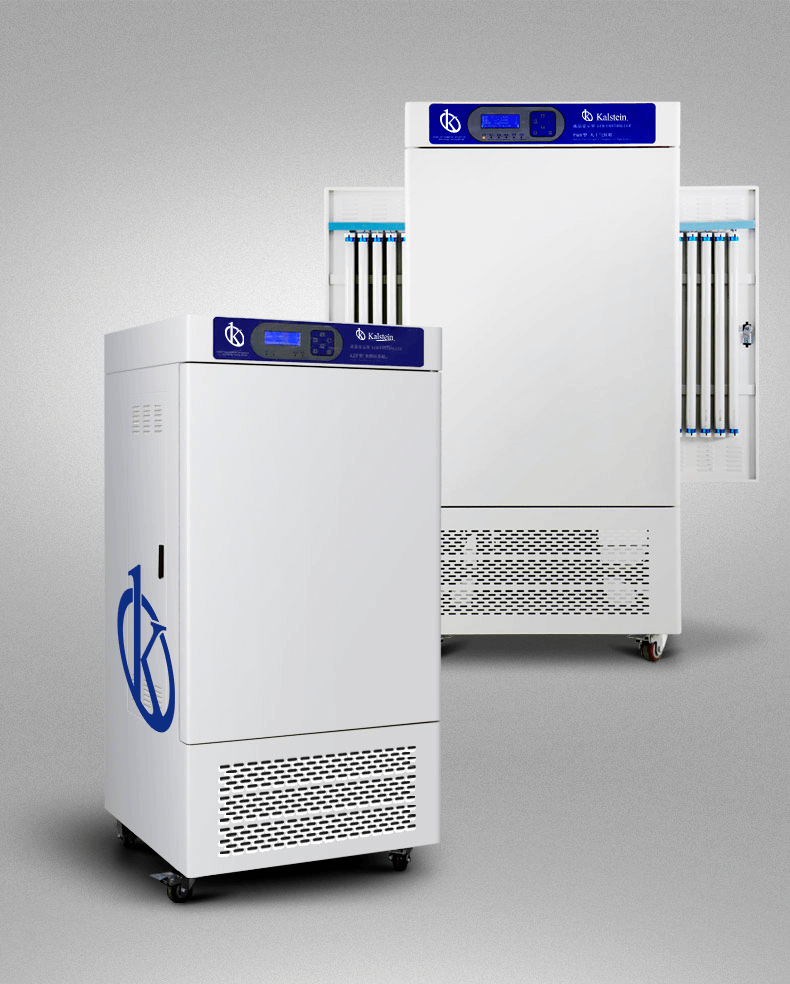
Environmental Chambers: Best Techniques and Protocols in 2026
What is it used for in 2026
Environmental Chambers are versatile tools used in laboratories to simulate various climatic conditions. As of 2026, these chambers serve essential roles in research and testing across several fields including biology, agriculture, and environmental science. They help to control temperature, humidity, and often light conditions, making them critical for experiments requiring precise environmental regulation.
History and evolution of the technology
The evolution of Environmental Chambers dates back to the early 20th century, initially designed for simple temperature control. As technology progressed, the integration of advanced sensors and automation has greatly improved their functionality. Modern Environmental Chambers now feature high-efficiency compressors, advanced humidification systems, and smart controls, allowing for more precise environmental simulations.
How to use it step by step
Using an Environmental Chamber involves several critical steps:
- Preparation: Ensure the chamber is clean and calibrated. Check for any necessary maintenance before use.
- Set Parameters: Input the desired temperature and humidity settings according to the experimental requirements.
- Loading Samples: Place samples or biological materials inside, ensuring they are evenly distributed for uniform conditions.
- Monitoring: Use the chamber's built-in monitoring system to track conditions and ensure they remain stable throughout the experiment.
- Data Collection: After the testing period, retrieve samples and document the data collected during the experiment.
Best techniques and protocols
Best practices for using Environmental Chambers in 2026 include:
- Regular calibration of the temperature and humidity sensors to ensure accuracy.
- Utilization of validated protocols for sample placement to minimize variation.
- Routine monitoring of chamber conditions using real-time data logging.
- Implementing strict cleaning protocols to avoid contamination and maintain integrity.
Practical applications by laboratory type
Different laboratories utilize Environmental Chambers for various applications:
- Biology Laboratories: Used for germination studies and growth experiments.
- Agricultural Research: Essential for testing plant responses to climate changes.
- Pharmaceuticals: Used for stability studies and controlled degradation tests.
Regulations, standards and certifications
Environmental Chambers must comply with several industry standards, including ISO 9001 for quality management and GLP (Good Laboratory Practice) guidelines. Regular audits and certifications ensure they meet safety and operational standards necessary for laboratory use.
Comparison with alternative technologies
While Environmental Chambers are highly effective, alternative technologies such as climate-controlled rooms and portable environmental devices may offer flexibility or cost savings. However, Environmental Chambers provide more precise and stable conditions essential for reproducibility in scientific research.
Comparison of available models
| Model | Best for | Key specs | Recommended use case |
|---|---|---|---|
| YR05328 | Microbial Studies | Temperature: 10~60℃, Humidity: 50%-90% | Ideal for plant growth and microbial incubation. |
| YR05329 | Biological Research | Temperature: 10~60℃, Humidity: 50%-90% | Excellent for controlling environmental conditions in long-term studies. |
| YR05330 | Agricultural Testing | Temperature: 10~60℃, Humidity: 50%-90% | Best suited for testing plant varieties under controlled conditions. |
Common mistakes and how to avoid them
Common mistakes when using Environmental Chambers include:
- Not calibrating equipment regularly, leading to inaccurate results.
- Overcrowding samples, which can cause uneven environmental conditions.
- Ignoring maintenance schedules, resulting in equipment failure.
Avoid these by following manufacturer guidelines and establishing a rigorous maintenance routine.
Maintenance, calibration and good practices 2026
To ensure optimal performance of Environmental Chambers in 2026, follow these maintenance practices:
- Regularly clean and validate chamber conditions.
- Calibrate sensors bi-annually to maintain precision.
- Document maintenance and calibration activities for compliance and quality control.
Cost-benefit analysis 2026
Investing in an Environmental Chamber provides significant benefits, including:
- Precision in experimental conditions leads to reliable data.
- Reduction in experimental errors and repeat tests.
- Enhanced capabilities for a variety of research applications.
In contrast, the initial costs can be high; however, the long-term benefits in research quality and efficiency justify the investment.
Frequently asked questions
What is the ideal temperature range for most experiments?
The ideal temperature range typically falls between 10~60℃, depending on the specific requirements of your experiment. It is crucial to set the temperature according to the biological or chemical reactions you are investigating.
How often should I perform maintenance on my Environmental Chamber?
It is recommended to perform maintenance checks at least every six months or more frequently if heavy usage is expected. Regular maintenance ensures optimal functionality and extends the life of the equipment.
Can I use Environmental Chambers for testing non-biological samples?
Yes, Environmental Chambers can be used for testing a variety of materials, including pharmaceuticals and agricultural products, as long as the environmental conditions align with the testing requirements.
What are the consequences of not calibrating my Environmental Chamber?
Failure to calibrate your Environmental Chamber can lead to inaccurate results, which may ultimately compromise the validity of your experiments and research conclusions.
Are there specific regulations I need to follow for Environmental Chambers?
Yes, Environmental Chambers must comply with regulations such as ISO 9001 and GLP. Ensure your equipment meets these standards to maintain quality and reliability in your lab.
How do I choose the right model for my laboratory needs?
Consider factors such as the specific temperature and humidity requirements, the size of the samples, and the type of experiments you will conduct. Consulting with a supplier can also help identify the best fit.
Where can I request a quote for Kalstein Environmental Chambers?
You can easily request a quote through our dedicated channels, ensuring you get the best prices and options for your laboratory needs.
If you are looking for a fusion of innovation and quality, you have come to the right place. At Kalstein, we offer you the luxury of exploring our exclusive catalog of laboratory equipment. We manufacture every device to the highest standards of excellence. Our intuitive and seamless online purchasing channels are designed for your convenience, securing the most competitive prices. Hesitate no longer — we bring science to life, it is time to become part of our community.