
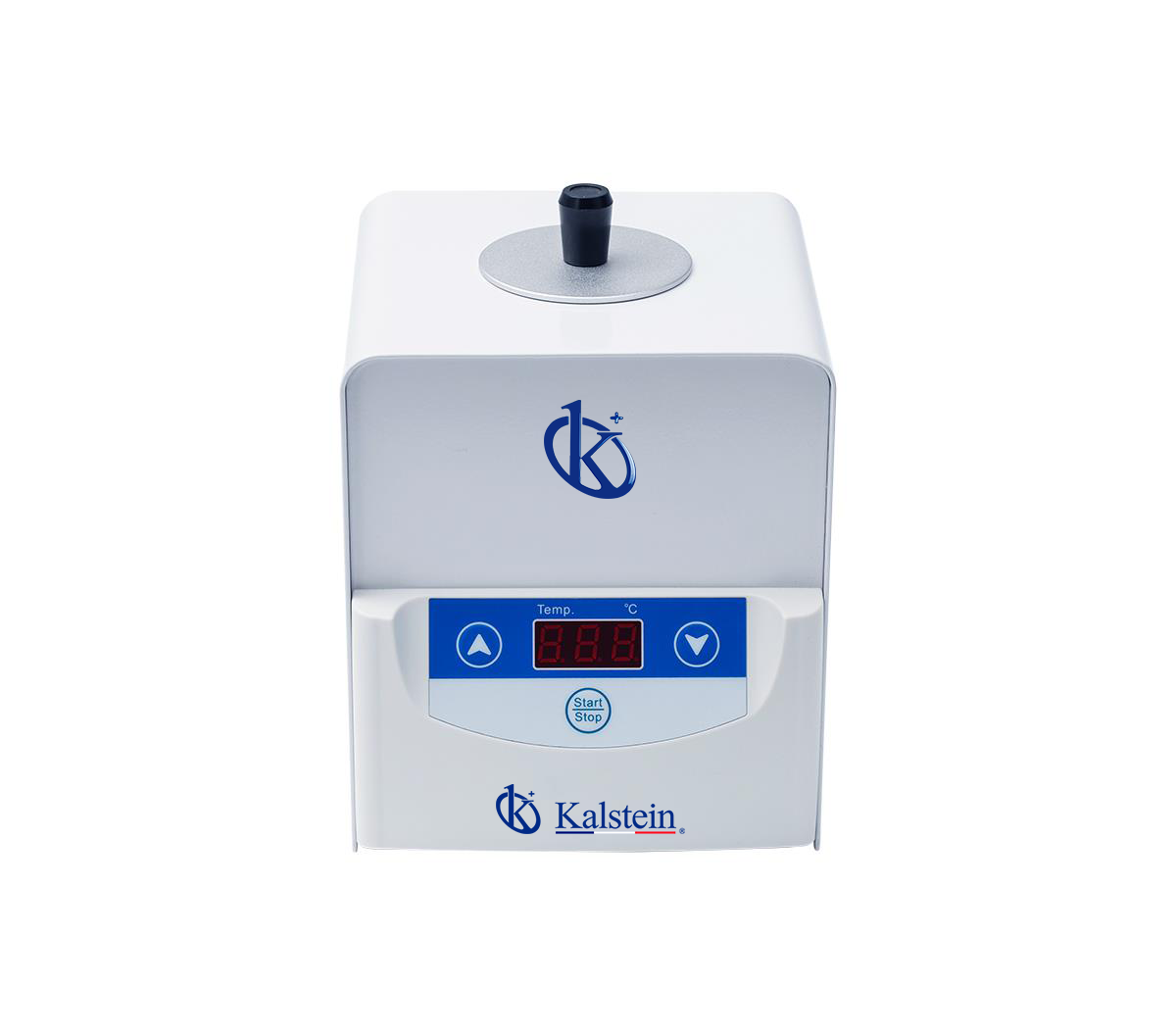
In the world of laboratory equipment, ensuring that instruments are properly sterilized is crucial. Glass bead sterilizers provide an efficient solution to this need. Two of the most prominent products in this space are the Glass Bead Sterilizer YR05326 from Kalstein and the Glass Bead Sterilizer 15501 from Benchmark Scientific. These sterilizers are known for their swift and effective sterilization capabilities, primarily due to their usage of heated glass beads.
The Glass Bead Sterilizer YR05326 by Kalstein stands out with its advanced design and functionalities, making it a highly sought-after choice among laboratory professionals. Likewise, the Glass Bead Sterilizer 15501 from Benchmark Scientific is noted for its reliability and consistent performance. This article aims to delve into the technical specifications of both products, providing a comprehensive overview to help you make an informed purchasing decision.
| Feature | Kalstein YR05326 | Benchmark Scientific 15501 |
|---|---|---|
| Temperature Range | Up to 300°C | Up to 300°C |
| Sterilization Time | 10 seconds to 2 minutes | Within seconds |
| Weight | Approx. 2.5 kg | Approx. 2.3 kg |
| Usage | Ideal for sterilizing small metal and glass items | For small lab accessories |
How They Work
The Glass Bead Sterilizer YR05326 by Kalstein operates by using heated glass beads to provide a dry heat environment. The items to be sterilized are placed in a container filled with these beads, which are pre-heated to achieve high sterilization temperatures. This method ensures quick and thorough sterilization, effectively eliminating contaminants without the need for chemicals.
Similarly, the Benchmark Scientific 15501 utilizes heated glass beads, but it places particular emphasis on rapid temperature response. This model can achieve the desired sterilization temperature in mere seconds, making it especially useful in settings where time efficiency is critical.
Purpose
Both the Kalstein YR05326 and the Benchmark Scientific 15501 glass bead sterilizers serve the same primary purpose: to sterilize small laboratory instruments such as forceps, scalpels, and glass slides. This process is particularly crucial in laboratories where contamination control is vital, such as in biological and medical research facilities.
Types
Though glass bead sterilizers are fairly uniform in their operation, variations may exist in size, temperature capacity, and design. These differences, as seen in models like YR05326 and 15501, cater to distinct laboratory needs, ensuring flexibility and adaptability for various applications.
Market Pricing
The pricing for glass bead sterilizers generally ranges from $200 to $500 depending on the brand, model features, and retailer. While the Kalstein YR05326 offers cutting-edge features at a competitive price point, the Benchmark Scientific 15501 provides reliability, albeit sometimes at a higher cost. The price of each model should be weighed against its specific features to determine the best value for your needs.
Frequently Asked Questions
How long does it take for the glass bead sterilizer to heat up?
Both models, under normal circumstances, achieve their sterilization temperature within minutes, with Benchmark Scientific advertising a rapid heat-up feature.
Can these devices sterilize plastic tools?
Glass bead sterilizers are recommended for glass and metal instruments only, as plastic may melt or deform under high temperatures.
Are glass bead sterilizers safe to use?
Yes, they are very safe when used according to the manufacturer’s instructions. Ensuring that the beads are heated correctly and following proper timing will avoid any mishaps.
Advantages and Disadvantages
One distinct advantage of the Kalstein YR05326 is its combination of efficiency and user-friendly design, providing a seamless experience for laboratory technicians. This model also comes with a user-friendly interface that simplifies adjustments. As for disadvantages, some may find the initial setup slightly challenging without prior experience.
The Benchmark Scientific 15501 is lauded for its rapid heating capability, a critical feature for high-paced labs. However, its higher cost may deter budget-conscious buyers. Additionally, while it is robust, the interface might not be as intuitive as the Kalstein model.
Product Use in the Field
In practice, glass bead sterilizers are primarily used in laboratories where contamination needs strict control. For instance, microbiologists utilize them frequently to ensure that instruments remain sterile between different analyses, minimizing the risk of cross-contamination.
Recommendations
To maximize the efficiency and lifespan of glass bead sterilizers, it is crucial to regularly clean the beads and replenish them as needed. Regular maintenance checks can also preemptively address any mechanical issues, ensuring that both models perform at peak efficiency.
If you’re considering upgrading or purchasing a glass bead sterilizer, we encourage you to explore the YR05326 model by Kalstein. With features that prioritize user experience and technical superiority, Kalstein provides an optimal balance of quality and cost. To explore our product further or to secure an immediate quote, visit our Kalstein Plus platform and take advantage of our competitive pricing and superior service.
If you’re seeking the perfect blend of innovation and quality, you’ve come to the right place. At Kalstein, we offer the luxury of exploring our exclusive catalog of laboratory equipment. We manufacture each piece with a level of excellence. Our intuitive and agile online purchasing channels are designed for your convenience, ensuring the most friendly prices. Don’t hesitate any longer, we bring science to life, become part of our community. https://kalstein.iq/product/glass-bead-sterilizer-yr05326/.