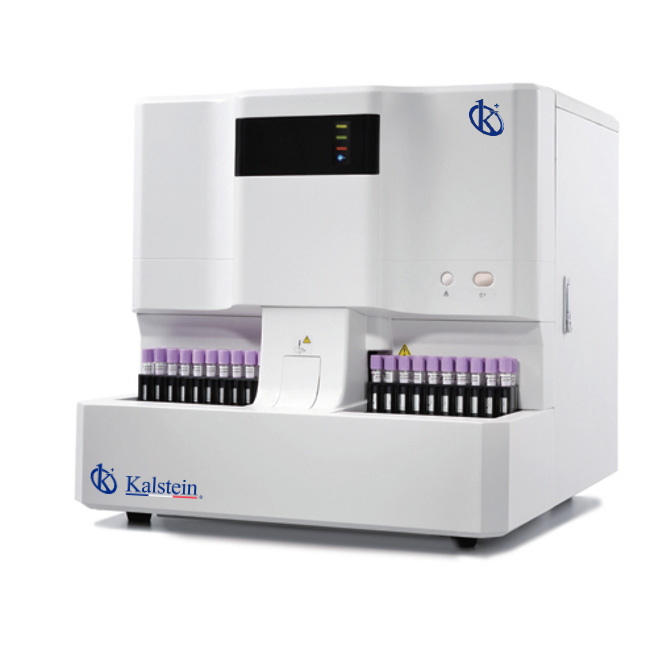
Hematology Analyzers: Best Techniques and Protocols 2026
What is it used for in 2026
Hematology analyzers are essential instruments in clinical laboratories, primarily used for analyzing blood samples to provide critical information about a patient's health. In 2026, these analyzers are equipped with advanced technology to deliver precise results for various hematologic parameters, including red blood cell count, white blood cell count, hemoglobin levels, and platelet counts. Their primary applications include routine blood tests, diagnostic testing for anemia, infection, and monitoring of various diseases. The efficiency of these devices allows laboratories to handle a significant volume of samples, making them indispensable in high-demand settings.
History and evolution of the technology
The history of hematology analyzers dates back to the early 20th century, when manual methods were used for blood analysis. As technology advanced, the introduction of automated systems revolutionized the field. The first automated hematology analyzers emerged in the late 1950s, significantly reducing the time required for blood testing. Over the years, innovations such as flow cytometry and laser technology have enhanced the accuracy and efficiency of these analyzers. Today, modern hematology analyzers can perform multiple tests simultaneously, providing comprehensive data from a single sample and aiding in swift clinical decision-making.
How to use it step by step
Using a hematology analyzer involves several key steps to ensure accurate results:
- Preparation: Ensure the analyzer is calibrated, and perform any necessary maintenance checks.
- Sample Collection: Collect blood samples using proper venipuncture techniques to avoid contamination.
- Sample Processing: Prepare the samples according to the analyzer's specifications. This may involve diluting or mixing samples.
- Loading Samples: Place the samples into the analyzer's auto-loader or designated sample tray.
- Running the Analysis: Select the appropriate test settings on the analyzer and initiate the test.
- Reviewing Results: Once the analysis is complete, review the results displayed on the monitor for accuracy.
- Documentation: Print or save the results as required for record-keeping and further analysis.
Best techniques and protocols
In 2026, the following techniques and protocols are recommended for optimal use of hematology analyzers:
- Sample Handling: Use proper techniques for blood collection, ensuring minimal hemolysis and contamination.
- Calibration: Regularly calibrate the analyzer as per the manufacturer's guidelines to maintain accuracy.
- Quality Control: Implement routine quality control testing with control samples to ensure reliable results.
- Documentation Protocol: Maintain meticulous records of all tests performed, including sample details and technician signatures.
- Training: Ensure all laboratory personnel are trained adequately on the operation and troubleshooting of the analyzers.
Practical applications by laboratory type
Different types of laboratories utilize hematology analyzers in varied ways:
- Clinical Laboratories: Essential for routine blood tests and patient diagnostics.
- Research Laboratories: Used for advanced studies in hematology and related fields.
- Blood Banks: Critical for screening blood donations and ensuring safety in transfusions.
- Veterinary Laboratories: Adapted for animal blood analysis, providing insights into veterinary care.
Regulations, standards and certifications
Hematology analyzers must comply with various regulations and standards to ensure quality and safety. In the United States, devices are regulated by the Food and Drug Administration (FDA) and must meet specific performance criteria. Internationally, organizations such as the International Organization for Standardization (ISO) provide guidelines for laboratory equipment standards. Regular audits and certifications help maintain compliance, ensuring that laboratories can deliver accurate and reliable test results.
Comparison with alternative technologies
While hematology analyzers are prevalent, other technologies exist, such as manual hemocytometers and point-of-care testing devices. Manual hemocytometers require more labor and time and are prone to human error, whereas point-of-care devices offer quicker results but may lack the comprehensive analysis capabilities of traditional analyzers. Hematology analyzers stand out for their accuracy, speed, and ability to handle high volumes, making them the preferred choice in most clinical settings.
Comparison of available models
| Model | Best for | Key specs | Recommended use case |
|---|---|---|---|
| YR06080 | High-demand laboratories needing efficiency | 60 samples/hour, 28 parameters, integrated titanium incubation system | Routine analysis in large clinical settings |
| YR05123 | Medium to high-volume laboratories | 60 samples/hour, 3D mapping technology | Comprehensive blood testing with reliable results |
| YR05122-1 | Laboratories requiring advanced features | 60 samples/hour, 29 parameters, touch screen operation | Diverse hematological analysis and high capacity |
| YR05122 | Small to medium laboratories | 35 samples/hour, 23 parameters | Basic tests and small sample loads |
| YR05121 | Laboratories focusing on user-friendly operation | 35 samples/hour, Windows-based interface | Easy operation with reliable results |
| YR05120 | Cost-effective solution for small labs | 35 samples/hour, 23 parameters | Entry-level blood analysis |
Common mistakes and how to avoid them
Laboratories often encounter several common mistakes when using hematology analyzers:
- Sample Contamination: Always use sterile techniques to prevent contamination of blood samples.
- Improper Calibration: Regularly check and calibrate the analyzer to avoid inaccurate results.
- Ignoring Quality Control: Implement routine quality control procedures to ensure reliability.
- Neglecting Maintenance: Schedule regular maintenance checks to keep the analyzer in optimal condition.
Maintenance, calibration and good practices 2026
In 2026, maintaining a hematology analyzer involves:
- Regular Calibration: Calibrate as per the manufacturer's specifications to ensure accuracy.
- Routine Cleaning: Clean the device regularly to prevent residue build-up and maintain performance.
- Software Updates: Keep the software up to date to benefit from the latest features and security enhancements.
- Record Keeping: Maintain logs of all maintenance activities for compliance and accountability.
Cost-benefit analysis 2026
When considering the purchase of a hematology analyzer, laboratory professionals should evaluate the cost against the benefits:
- Initial Investment: Assess the upfront costs of the analyzer, including installation and training.
- Operational Costs: Consider ongoing costs such as reagents, maintenance, and consumables.
- Efficiency Gains: Factor in the time saved and increased throughput due to automation.
- Improved Accuracy: Evaluate the cost savings from reduced errors and retesting.
Frequently asked questions
What should I consider when choosing a hematology analyzer?
Consider factors such as sample throughput, number of parameters tested, ease of use, calibration requirements, and compliance with regulatory standards that fit your laboratory's needs.
How can I ensure the accuracy of my hematology analyzer?
Regular calibration, performing quality control tests, and maintaining a clean working environment are essential to ensure the accuracy of test results.
What are the best practices for sample collection for hematology analysis?
Use sterile techniques, collect samples from a clean site, and follow proper protocols for blood draw to minimize hemolysis and contamination.
How often should maintenance be performed on the analyzer?
Regular maintenance should be scheduled as per the manufacturer's guidelines, typically involving daily, weekly, and monthly checks.
What are the common troubleshooting tips for hematology analyzers?
Common troubleshooting includes checking for proper sample loading, ensuring adequate calibration, and consulting error codes displayed by the analyzer.
Can hematology analyzers be used for pediatric samples?
Yes, many hematology analyzers can process pediatric samples, but it is crucial to ensure that the volume requirements and protocols are adhered to.
What is the average lifespan of a hematology analyzer?
The average lifespan of a hematology analyzer is typically around 5 to 10 years, depending on usage and maintenance practices.
If you are looking for a fusion of innovation and quality, you have come to the right place. At Kalstein, we offer you the luxury of exploring our exclusive catalog of laboratory equipment. We manufacture every device to the highest standards of excellence. Our intuitive and seamless online purchasing channels are designed for your convenience, securing the most competitive prices. Hesitate no longer — we bring science to life, it is time to become part of our community.