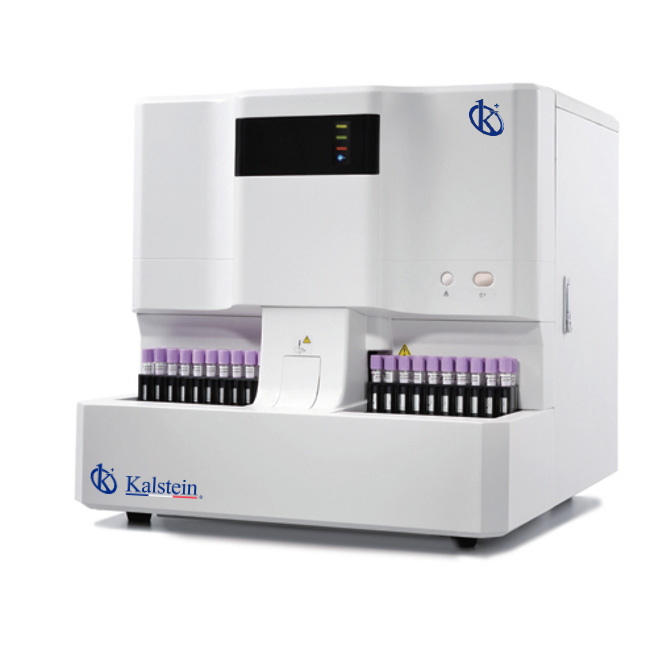
Hematology Analyzers: LIMS Integration and Data Flow Digitalization Insights 2026
The evolution of laboratory processes has seen significant advancements, especially in the realm of hematology analyzers. These devices are pivotal in the diagnosis and management of various hematological disorders. In 2026, the focus on integration with Laboratory Information Management Systems (LIMS) and the digitalization of data flow stands at the forefront of operational efficiency. This article delves into how these integrations enhance laboratory productivity, improve data accuracy, and streamline workflow.
Understanding the Role of LIMS in Hematology Analyzers
LIMS plays a crucial role in the lab ecosystem, facilitating the management of samples, associated data, and laboratory workflows. Integrating hematology analyzers with LIMS enables seamless data transfer, reducing manual entry errors and expediting the reporting process. In the context of hematology analyzers, the best integration solutions include protocols like HL7 and ASTM, which ensure compatibility and efficiency.
Benefits of Data Flow Digitalization in Hematology
The digitalization of data flow in hematology labs not only minimizes human errors but also enhances data retrieval and storage capabilities. It enables real-time monitoring of test results, allowing healthcare professionals to make informed decisions swiftly. For example, using the Automatic Hematology Analyzer YR06080, which processes 60 samples per hour, paired with a robust LIMS, can drastically improve response times in critical care environments.
Model Comparisons and Their LIMS Integration Capabilities
When evaluating hematology analyzers, it's essential to compare their integration capabilities with LIMS. Some models are designed with built-in connectivity features that facilitate smoother integration, while others may require additional interfaces. The models covered in this article include:
| Model Code | Connectivity | Protocols Supported | Integration Effort | Best For |
|---|---|---|---|---|
| YR06080 | LAN, USB | HL7, ASTM | Low | High-Throughput Labs |
| YR05123 | LAN | HL7 | Medium | Medium-Throughput Labs |
| YR05122-1 | LAN, USB | ASTM | Low | Research Labs |
| YR05122 | USB | None | High | Small Labs |
| YR05121 | LAN, USB | HL7 | Medium | General Purpose |
| YR05120 | LAN | None | High | Small to Medium Labs |
Exploring Common Integration Challenges
While LIMS integration offers many benefits, labs often face challenges such as data format discrepancies, the need for middleware solutions, and resistance to adopting new technology. It is crucial for laboratory managers to proactively address these issues to ensure successful integration. Conducting a thorough needs assessment before selecting a hematology analyzer can help mitigate potential pitfalls.
Maximizing Efficiency with Automation
Automation is a significant component in modern hematology labs. Automated hematology analyzers like the YR05122-1 offer features such as sample dilution and cleaning cycles that reduce hands-on time and improve throughput. Laboratories that implement these automated solutions see enhanced productivity and reduced chances of human error.
Future Trends: The Role of AI and Machine Learning
Artificial Intelligence (AI) and Machine Learning (ML) are set to play transformative roles in hematology. These technologies can enhance the capabilities of hematology analyzers by providing predictive analytics, improving diagnostic accuracy, and enabling smarter decision-making processes. Labs adopting these technologies alongside LIMS will position themselves at the forefront of innovation.
Comparison of Available Models
In this section, we provide a comprehensive comparison of various hematology analyzers, focusing on their features, performance, and suitability for different lab environments based on their ability to integrate with LIMS.
| Model Code | Price (USD) | Sample Processing Speed | Parameters Offered | Best Use Case |
|---|---|---|---|---|
| YR06080 | 7000 | 60 samples/hour | 28 | High Demand Labs |
| YR05123 | 6000 | 60 samples/hour | Varied | Busy Hospitals |
| YR05122-1 | 2500 | 60 samples/hour | 29 | Research Applications |
| YR05122 | 2800 | 35 samples/hour | 23 | Small Laboratories |
| YR05121 | 2800 | 35 samples/hour | 23 | General Use |
| YR05120 | 2500 | 35 samples/hour | 23 | Small to Medium Labs |
Common Mistakes and How to Avoid Them
When integrating hematology analyzers with LIMS, laboratories commonly overlook key factors such as compatibility of data formats, the importance of user training, and the necessity for ongoing maintenance. To mitigate these missteps, labs should conduct thorough compatibility assessments and ensure proper training is provided to staff members to maximize the potential of their systems.
Frequently Asked Questions
How can I ensure effective LIMS integration with hematology analyzers in 2026?
To ensure effective LIMS integration with hematology analyzers like the YR06080, prioritize selecting compatible systems with supported protocols such as HL7 and ASTM. Conducting a comprehensive assessment of the existing infrastructure and training staff on new systems is crucial for smooth integration.
What are the best practices for digitalizing data flow in hematology labs?
Best practices for digitalizing data flow include implementing automated data entry systems, utilizing state-of-the-art hematology analyzers like the YR05123, and ensuring robust data storage solutions are in place. This minimizes errors while increasing efficiency in processing and reporting results.
Which hematology analyzer offers the highest sample processing speed in 2026?
The Automatic Hematology Analyzer YR06080 offers the highest processing speed at 60 samples per hour, making it ideal for high-demand laboratories looking to optimize their workflow and efficiency without sacrificing accuracy.
What is the expected ROI of implementing a LIMS-integrated hematology analyzer?
The ROI from implementing a LIMS-integrated hematology analyzer like the YR05122-1 can vary, but labs typically see a return in less than 12 months due to reduced manual labor, fewer errors, and improved throughput, making it a financially sound investment.
How can I improve data accuracy with hematology analyzers?
Improving data accuracy with hematology analyzers involves using models equipped with advanced technologies like the YR05121, which supports bidirectional data exchanges with LIMS, thereby reducing transcription errors and enhancing data integrity.
What features should I look for in a hematology analyzer for LIMS integration?
Look for features such as LAN connectivity, support for standard protocols like HL7 or ASTM, and ease of integration capabilities in models like the YR06080, which streamline data transfer and enhance overall laboratory efficiency.
How does automation in hematology analyzers enhance laboratory productivity?
Automation in hematology analyzers, especially models like the YR05122, significantly enhances laboratory productivity by reducing manual handling, accelerating sample processing times, and allowing staff to focus on more complex tasks, resulting in higher throughput.
What are the common challenges in integrating hematology analyzers with LIMS?
Common challenges include data format incompatibility, the need for specialized middleware, and resistance to change from staff. Addressing these issues early on with planning and clear communication is essential for successful integration.
If you are looking for a fusion of innovation and quality, you have come to the right place. At Kalstein, we offer you the luxury of exploring our exclusive catalog of laboratory equipment. We manufacture every device to the highest standards of excellence. Our intuitive and seamless online purchasing channels are designed for your convenience, securing the most competitive prices. Hesitate no longer — we bring science to life, it is time to become part of our community.