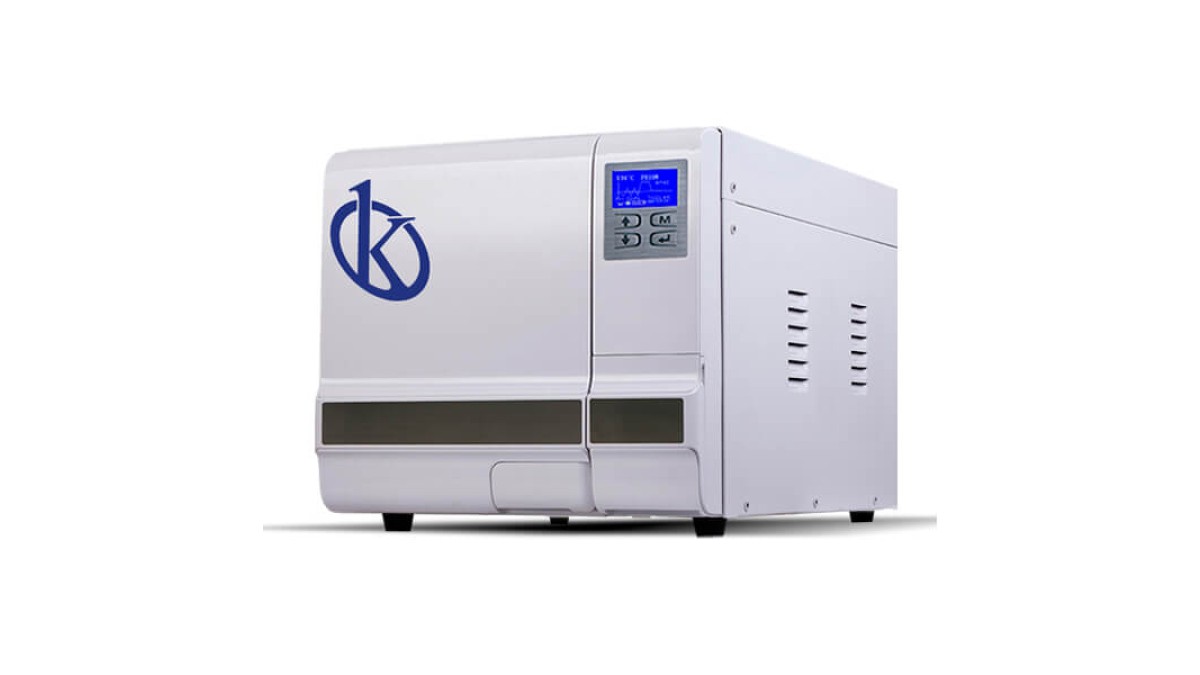
Horizontal Autoclaves: Practical Applications and Techniques 2026
What is it used for in 2026
Horizontal autoclaves are pivotal in laboratories and clinics in 2026, serving as essential devices for sterilization processes. These autoclaves utilize steam under pressure to eliminate microorganisms, ensuring that medical instruments, laboratory apparatus, and other items are free from contaminants. Their compact design makes them an optimal choice for small to medium-sized operations, such as tattoo studios, beauty salons, podiatry clinics, veterinary practices, and laboratories, where space is limited yet sterilization is critical.
History and evolution of the technology
The evolution of autoclave technology has been significant since its inception. The first autoclaves were simple pressure cookers developed in the 19th century, primarily for food preservation. Over the years, with advancements in engineering and materials, autoclaves transformed into robust sterilization devices used across various fields including healthcare and research. By 2026, horizontal autoclaves have refined their mechanisms with advanced electronic controls, improved heating systems, and enhanced safety features, allowing for more efficient and reliable sterilization cycles.
How to use it step by step
Using a horizontal autoclave effectively requires adherence to certain steps to ensure optimal sterilization. Here is a step-by-step guide:
- Preparation of Items: Clean and package the instruments or items to be sterilized. Ensure they are suitable for steam sterilization.
- Loading the Autoclave: Place the items in the chamber without overcrowding. Ensure steam can circulate freely.
- Selecting the Cycle: Choose the appropriate sterilization cycle based on the items being sterilized (e.g., standard cycles, quick cycles).
- Monitoring Parameters: Set the temperature and time, typically around 121-134°C for 15-30 minutes, depending on the load type.
- Start the Cycle: Begin the sterilization cycle and monitor the progress if necessary.
- Post-Cycle Handling: Once the cycle is complete, allow the items to cool and dry within the autoclave before removal.
- Documentation: Record the sterilization cycle data for monitoring and compliance purposes.
Best techniques and protocols
To maximize the effectiveness of horizontal autoclaves, several best practices and protocols must be followed:
- Regular Calibration: Ensure the autoclave is calibrated regularly to maintain accurate temperature and pressure readings.
- Routine Maintenance: Implement a maintenance schedule to check for leaks, replace seals, and clean the chamber.
- Loading Techniques: Utilize appropriate loading techniques to ensure efficient steam penetration, such as using perforated trays.
- Pre-Vacuum Cycles: For porous loads, opt for pre-vacuum cycles to remove air pockets that can hinder sterilization.
- Monitoring Tools: Use biological indicators to verify the efficacy of the sterilization process regularly.
Practical applications by laboratory type
Horizontal autoclaves are versatile devices utilized across various laboratory settings:
- Medical Laboratories: For sterilizing surgical instruments, glassware, and media.
- Veterinary Clinics: For ensuring surgical tools and equipment used on animals are sterile.
- Beauty Salons: For sterilizing tools used in tattooing and other personal care procedures.
- Research Laboratories: For sterilization of laboratory materials and cultures to maintain sterile environments.
Regulations, standards and certifications
In 2026, laboratories must comply with various regulations and standards concerning sterilization practices. The European standard EN 13060 outlines the requirements for small steam sterilizers, including horizontal autoclaves. Compliance with these standards ensures that autoclaves operate effectively and safely, providing reliable sterilization results. Additionally, laboratories should adhere to local health and safety regulations and obtain relevant certifications to assure quality and reliability.
Comparison with alternative technologies
While horizontal autoclaves are highly effective for sterilization, alternatives exist that may be more suitable depending on the application:
- Chemical Sterilization: Utilizes chemicals to achieve sterilization, suitable for heat-sensitive materials.
- Ethylene Oxide Sterilization: Effective for items that cannot withstand high temperatures but requires longer exposure times and careful handling.
- Dry Heat Sterilization: Useful for certain materials but generally less effective than steam sterilization.
Comparison of available models
| Model | Best for | Key specs | Recommended use case |
|---|---|---|---|
| YR03387 | Small clinics and tattoo studios | 8 L, 2 trays, 1750w | Ideal for small-scale sterilization needs |
| YR03388 | Beauty salons | 12 L, 3 trays, 1750w | Perfect for regular sterilization in personal care |
| YR03389 | Podiatry clinics | 18 L, 3 trays, 1750w | Good for frequent use in medical settings |
| YR03390 | Veterinary practices | 23 L, 5 trays, 1750w | Suitable for larger equipment sterilization |
| YR03385C | Laboratories | 29 L, 3 trays, 2300w | Best for comprehensive laboratory use |
| YR03385B | Large clinics | 45 L, 3 trays, 3800w | Ideal for extensive sterilization requirements |
Common mistakes and how to avoid them
Here are common mistakes made during the use of horizontal autoclaves and how to avoid them:
- Overloading: Avoid overloading the chamber as it restricts steam circulation. Adhere to the manufacturer's loading guidelines.
- Ignoring Maintenance: Regular maintenance is crucial for performance. Establish a routine maintenance plan.
- Incorrect Cycle Selection: Select the appropriate cycle for the items being sterilized. Familiarize yourself with the autoclave settings.
- Neglecting Documentation: Failing to document cycles can lead to compliance issues. Always log sterilization data for accountability.
Maintenance, calibration and good practices 2026
Proper maintenance and calibration of horizontal autoclaves are essential for effective operation:
- Daily Checks: Perform visual inspections of the autoclave daily, checking for leaks and cleanliness.
- Regular Calibration: Schedule calibration at least once a year to ensure accurate performance.
- Cleaning Procedures: Implement routine cleaning of the chamber to prevent residue buildup.
- Training Staff: Ensure that all personnel are trained in operating and maintaining the autoclave for optimal safety and effectiveness.
Cost-benefit analysis 2026
Investing in a horizontal autoclave entails a cost-benefit analysis, particularly in 2026. The initial investment should be weighed against the benefits of improved sterilization practices:
- Initial Costs: Consider the purchase price of the autoclave, maintenance, and operating costs.
- Time Savings: Efficient sterilization reduces downtime between procedures, enhancing productivity.
- Quality Assurance: Reliable sterilization mitigates risk of infection, improving patient and client trust.
- Long-Term Investment: High-quality autoclaves provide durability and reduce the need for frequent replacements.
Frequently asked questions
How do I choose the right model of horizontal autoclave for my laboratory?
Consider the volume of items you need to sterilize, the space available, and the specific requirements of your laboratory or practice. Evaluate the models based on their chamber size and features.
What maintenance is required for horizontal autoclaves?
Routine maintenance involves daily checks for leaks, regular cleaning of the chamber, and annual calibration to ensure accuracy and performance.
Can I use a horizontal autoclave for all types of materials?
Most materials can be sterilized, but ensure that items are suitable for steam sterilization and follow the manufacturer's guidelines to avoid damage.
What are the consequences of not following proper sterilization protocols?
Failure to adhere to sterilization protocols can lead to contamination, increased infection risk, and possible legal repercussions for non-compliance with health regulations.
How often should sterilization cycles be validated?
It is recommended to validate sterilization cycles regularly, ideally on a monthly basis or after any significant maintenance or repairs to the autoclave.
What safety measures should be considered when using horizontal autoclaves?
Always follow safety guidelines, including wearing appropriate personal protective equipment, ensuring proper ventilation, and adhering to the manufacturer’s operational instructions.
Where can I find the best quotes for purchasing a horizontal autoclave?
For competitive pricing and a variety of models, consider requesting a quote from trusted suppliers who specialize in laboratory equipment.
If you are looking for a fusion of innovation and quality, you have come to the right place. At Kalstein, we offer you the luxury of exploring our exclusive catalog of laboratory equipment. We manufacture every device to the highest standards of excellence. Our intuitive and seamless online purchasing channels are designed for your convenience, securing the most competitive prices. Hesitate no longer — we bring science to life, it is time to become part of our community.