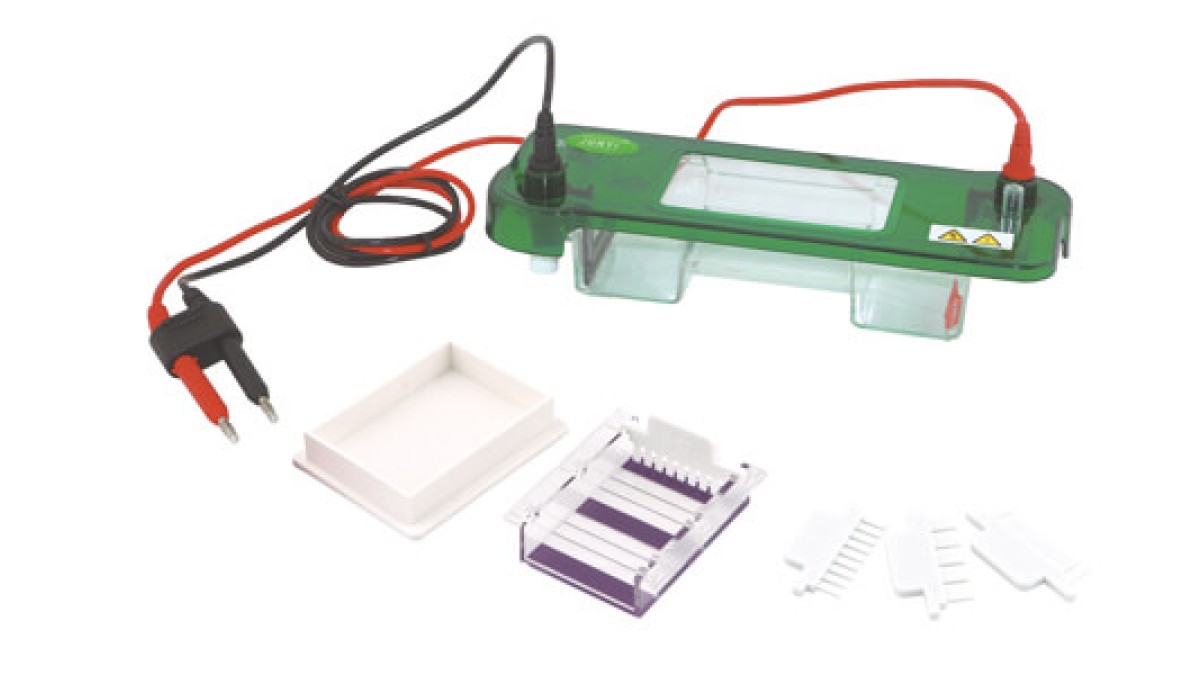
Horizontal Electrophoresis: Practical Step-by-Step Guide 2026
Horizontal electrophoresis is a vital technique in molecular biology and biochemistry, widely used for the separation of nucleic acids and proteins. As we advance into 2026, understanding the applications, techniques, and best practices associated with horizontal electrophoresis is crucial for laboratory professionals.
What is it used for in 2026
In 2026, horizontal electrophoresis is used primarily for the separation of DNA and RNA molecules based on size. This technique allows researchers to visualize and analyze genetic material effectively. It is extensively applied in various fields such as genetic research, clinical diagnostics, and forensic science. This method is known for its versatility, accommodating multiple sample types and sizes, which makes it essential in routine laboratory workflows.
History and evolution of the technology
The history of electrophoresis dates back to the early 20th century when it was first utilized to separate proteins. Over the decades, technological advancements have led to the development of horizontal electrophoresis systems that are now more efficient, user-friendly, and adaptable to a variety of laboratory needs. The introduction of gel matrices and improved buffer systems has significantly enhanced the resolution and speed of separations. Today, horizontal electrophoresis has evolved into a standardized method applied globally in research and clinical laboratories.
How to use it step by step
- Sample Preparation: Isolate and prepare nucleic acid or protein samples. Use appropriate buffers for optimal results.
- Gel Preparation: Prepare agarose or polyacrylamide gels depending on the application requirements. Allow the gel to solidify.
- Loading Samples: Carefully load the prepared samples into the gel wells using a micropipette, ensuring no contamination occurs.
- Setting Up the Electrophoresis Apparatus: Assemble the horizontal electrophoresis unit, ensuring proper connections and buffer levels are set.
- Running the Gel: Apply the electrical current to the gel and monitor the separation process. Maintain the appropriate voltage according to the gel type and sample size.
- Visualization: After the run is complete, visualize the gel using UV light or staining methods to assess the results.
- Data Analysis: Analyze the separated bands for size and quantity using imaging software or other analytical methods.
Best techniques and protocols
To achieve optimal results in horizontal electrophoresis, employing best techniques is imperative. Utilize a range of agarose concentrations for DNA separations, and adjust the running buffer according to pH and ionic strength requirements. Always calibrate the electrophoresis system before use and ensure consistent sample loading for reproducibility. Additionally, employing negative controls will help validate experimental results.
Practical applications by laboratory type
- Research Laboratories: Utilize horizontal electrophoresis for cloning, sequencing, and genotyping applications.
- Clinical Laboratories: Employ this technique for diagnosis of genetic disorders and pathogen detection.
- Forensic Laboratories: Apply for DNA profiling in criminal investigations.
Regulations, standards and certifications
In 2026, laboratories using horizontal electrophoresis are expected to comply with various safety and quality regulations. Adhering to ISO certifications and following Good Laboratory Practices (GLP) ensures the reliability of results and safety in laboratory environments. Regular audits and certifications are essential for maintaining operational standards.
Comparison with alternative technologies
Horizontal electrophoresis is often compared to other separation techniques such as capillary electrophoresis and high-performance liquid chromatography (HPLC). While capillary electrophoresis offers higher resolution and faster runs, horizontal electrophoresis remains favored for its simplicity and effectiveness in handling larger sample volumes. HPLC, on the other hand, is more suitable for complex mixtures requiring high precision in separation. The choice of method ultimately depends on the specific application and laboratory requirements.
Comparison of available models
| Model | Best for | Key specs | Recommended use case |
|---|---|---|---|
| YR03415 | Flexible experiments | Size: 186x205mm, Volume: 150ml | Ideal for beginner labs requiring basic DNA/RNA analysis. |
| YR03416 | DNA analysis | Size: 78x100mm, Volume: 400ml | Best for small sample testing and educational purposes. |
| YR03417 | Protein and nucleic acid separation | Size: 60x60mm; 120x60mm, Volume: 550ml | Recommended for versatile laboratory use. |
| YR03418 | Advanced gel electrophoresis | Size: 140x140mm, Volume: 900ml | Suitable for large-scale DNA fragment analysis. |
| YR03419 | Standard laboratory experiments | Size: 130x130mm, Volume: 600ml | Great for routine analysis involving various sample types. |
| YR03420 | High-throughput analysis | Size: 200x200mm, Volume: 1800ml | Designed for high-capacity laboratories conducting multiple tests. |
Common mistakes and how to avoid them
- Improper gel concentration: Use appropriate agarose concentrations according to the size of the nucleic acids.
- Air bubbles during sample loading: Ensure smooth loading techniques to prevent bubble formation.
- Inconsistent voltage application: Maintain a steady voltage for uniform separation of bands.
Maintenance, calibration and good practices 2026
Regular maintenance of horizontal electrophoresis units is essential for optimal performance. Clean the apparatus after each use, calibrate the equipment periodically, and inspect power supplies for any signs of wear. Following proper storage guidelines for gels will also prolong their usability. Good laboratory practices, such as maintaining a clean working environment and using personal protective equipment (PPE), are critical for ensuring safety and accuracy in results.
Cost-benefit analysis 2026
Investing in horizontal electrophoresis systems can yield significant benefits for laboratories. While initial costs may vary based on model selection, the versatility and efficiency of these systems justify the investment. They provide reliable results, minimize labor time, and support a wide range of applications, making them an economical choice for research and clinical setups. The long-term savings in reagents and operational costs further enhance their value proposition.
Frequently asked questions
What factors should I consider when choosing a horizontal electrophoresis system?
Consider factors such as the types of samples you will analyze, the volume of samples, and the resolution required for your experiments. It's also important to evaluate the available space in your laboratory and your budget.
How do I ensure the accuracy of my results in horizontal electrophoresis?
To ensure accuracy, prepare samples meticulously, maintain consistent voltage, and calibrate your equipment regularly. Running controls alongside your samples will help validate your results.
Can I reuse agarose gels for horizontal electrophoresis?
Generally, agarose gels are not reusable after electrophoresis due to sample contamination and degradation. It's best to prepare fresh gels for each experiment.
What safety precautions should I take when working with electrophoresis equipment?
Always wear appropriate PPE such as gloves and goggles. Ensure proper handling of chemicals used in gel preparation and sample staining, and follow guidelines for electrical safety while operating the equipment.
How can I improve the resolution of my separations in horizontal electrophoresis?
To improve resolution, consider optimizing agarose concentration and running conditions. Additionally, using higher-quality buffers and ensuring uniform sample loading can enhance separation quality.
What maintenance practices should I follow for my electrophoresis system?
Clean the apparatus after every use, check for wear and tear on components, and calibrate the equipment regularly. Store gels properly to prevent degradation and follow the manufacturer’s guidelines for maintenance.
If you are looking for a fusion of innovation and quality, you have come to the right place. At Kalstein, we offer you the luxury of exploring our exclusive catalog of laboratory equipment. We manufacture every device to the highest standards of excellence. Our intuitive and seamless online purchasing channels are designed for your convenience, securing the most competitive prices. Hesitate no longer — we bring science to life, it is time to become part of our community.