An Australian startup has successfully grown human neurons in a laboratory and connected them to electronic chips. The result: a living machine capable of learning — and even playing Doom.
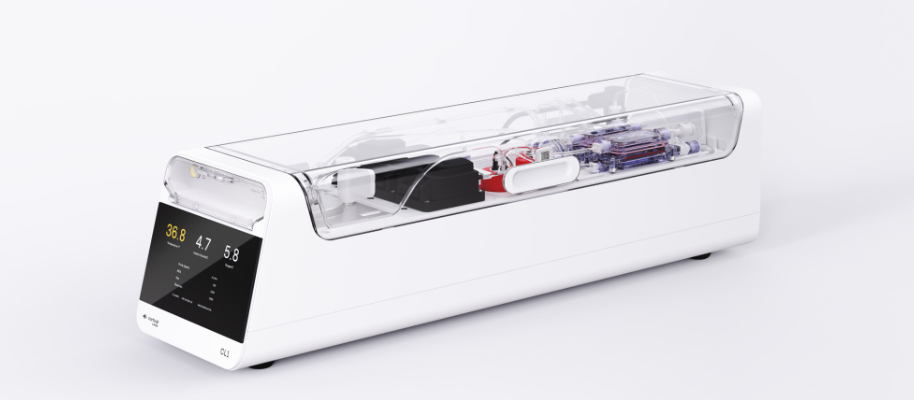
Founded in Melbourne in 2019, Cortical Labs has just launched the CL1, the world’s first commercially available biological computer. The device contains approximately 200,000 living human neurons, maintained through a filtration and thermal regulation system, and remotely accessible through a Python interface.
These neurons are derived from stem cells generated from a simple blood donation — an ethical and renewable source that requires no invasive procedures.
Why Use Biology Where Silicon Falls Short?
GPUs and CPUs have dominated computing for more than 70 years, but they are beginning to show their limitations: massive energy consumption, difficulty processing imprecise data, and the need for enormous datasets for training.
The biological brain, on the other hand, evolved specifically to overcome these challenges.
“Biology doesn’t have these limitations. This isn’t about replacing GPUs — it’s about adding a new tool to the intelligence toolbox.”
From Pong to Doom: Cells That Learn
In 2022, these neurons learned to play Pong. By 2026, a young graduate named Sean Cole took part in the Cortical Labs hackathon and managed to teach the cells how to play Doom in less than a week.
The connection between biology and video games lies in electricity. Encoded electrical impulses stimulate the cells, while their electrical activity is decoded into on-screen actions, creating a closed learning loop.
“Anyone can be a scientist — you just need the right tools.”
Applications Far Beyond Gaming
The Cortical Cloud platform is open to everyone: researchers, developers, and students alike.
Potential applications include drug discovery, neurological disease modeling, robotics, and the processing of complex and noisy data — areas where biology often performs better than silicon.
A Technology Developed With Ethical Oversight
These neurons do not feel emotions or consciousness; they function as intelligent biomaterials responding to electrical stimuli.
However, since 2021, the company has been collaborating with independent ethicists and specialized committees to ensure the technology develops responsibly.
“Strange doesn’t mean unethical. Antibiotics and IVF were once considered strange too.”
Source: Kalstein Media
Illustration image: Cortical Labs’ CL1 device