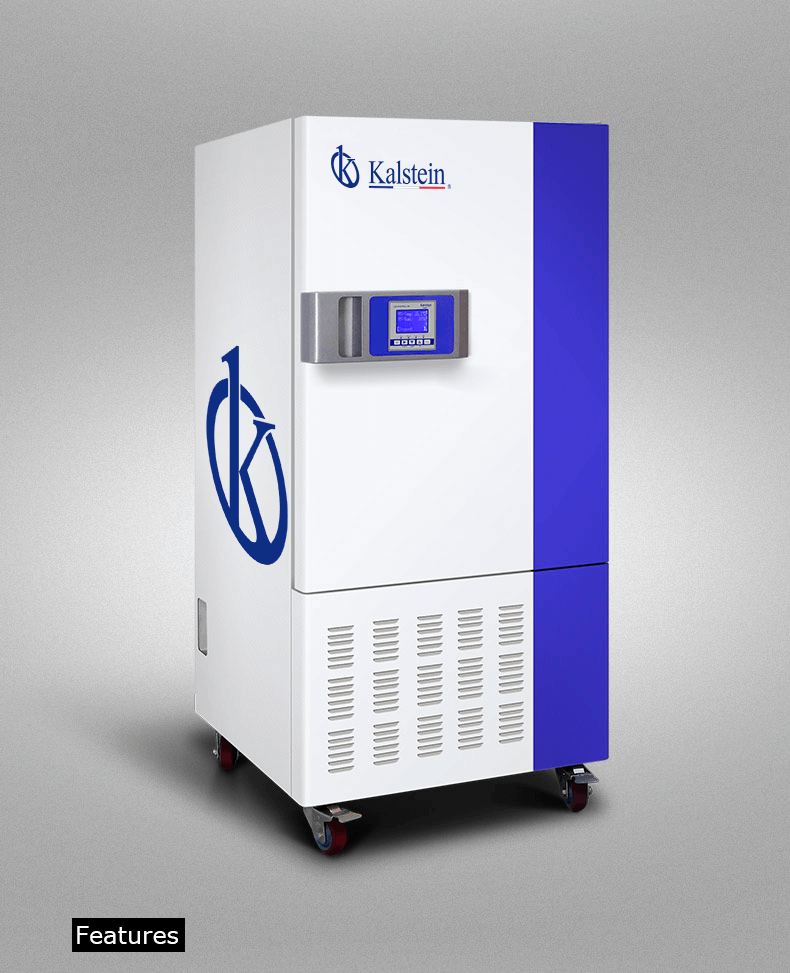
Illumination Drug Stability Test Chamber: Practical Applications and Techniques 2026
What is it used for in 2026
In 2026, the Illumination Drug Stability Test Chamber plays a crucial role in pharmaceutical laboratories by providing controlled environments to test the stability of drug formulations under specific light conditions. This testing is essential for ensuring that medications maintain their efficacy and safety over time.
History and evolution of the technology
The technology behind illumination drug stability test chambers has evolved significantly over the years. Initially designed for basic temperature control, modern chambers now incorporate advanced features such as adjustable light intensity, multiple safety systems, and automated defrost mechanisms. These advancements have greatly enhanced the reliability and efficiency of stability testing in pharmaceutical development.
How to use it step by step
Using an Illumination Drug Stability Test Chamber involves several steps:
- Preparation: Ensure that the chamber is clean and calibrated according to the manufacturer's specifications.
- Sample Placement: Arrange your drug samples in the chamber, ensuring they are spaced appropriately for accurate results.
- Setting Parameters: Use the control panel to set the desired temperature and light conditions based on the specific requirements of your testing protocol.
- Monitoring: Regularly check the chamber's performance via the monitoring system to ensure that it maintains the set conditions.
- Data Recording: Document the conditions and any changes observed during the testing period for analysis.
- Post-Test Analysis: After the testing period, analyze the samples to assess stability and efficacy.
Best techniques and protocols
To achieve the best results when using an Illumination Drug Stability Test Chamber, the following techniques and protocols are recommended:
- Utilizing a validated method for preparing samples.
- Maintaining a consistent testing environment by regularly calibrating the equipment.
- Implementing a robust data logging system to track changes in sample stability over time.
- Adhering to regulatory guidelines regarding stability testing in pharmaceutical research.
Practical applications by laboratory type
Illumination Drug Stability Test Chambers have various applications across different types of laboratories:
- Pharmaceutical Labs: Used for stability testing of drug formulations to ensure compliance with safety standards.
- Research Institutions: Employed in studies involving the degradation of active pharmaceutical ingredients (APIs) under light exposure.
- Biotechnology Companies: Essential for testing biologics that may be sensitive to light and need stability assessments.
Regulations, standards and certifications
It is essential for laboratories to adhere to specific regulations and standards when using Illumination Drug Stability Test Chambers. Compliance with guidelines from organizations such as the FDA and ICH ensures that the testing is reliable and meets industry standards.
Comparison with alternative technologies
While illumination drug stability test chambers are specialized devices, there are alternative technologies available, such as:
- Standard Stability Chambers: These chambers provide temperature and humidity control but do not offer light exposure conditions.
- Accelerated Stability Test Chambers: Used for faster testing but may not replicate real-world conditions as effectively as illumination chambers.
Comparison of available models
| Model | Best for | Key specs | Recommended use case |
|---|---|---|---|
| YR05353 | Accelerated stability testing | Temperature: 10~65 °C (with lighting), 0~60 °C (without lighting); Light Intensity: 0~6000LX | Ideal for pharmaceutical companies conducting long-term stability tests. |
| YR05353-1 | Long-term stability evaluation | Temperature: 10~65 °C (with lighting), 0~60 °C (without lighting); Light Intensity: 0~6000LX | Best suited for products needing rigorous stability assessments. |
| YR05353-2 | Test for light-sensitive drugs | Temperature: 10~65 °C (with lighting), 0~60 °C (without lighting); Light Intensity: 0~6000LX | Perfect for evaluating the stability of light-sensitive formulations. |
Common mistakes and how to avoid them
Laboratories may face several common pitfalls when using Illumination Drug Stability Test Chambers. Here’s how to avoid them:
- Inaccurate Calibration: Regularly calibrate your chamber to ensure accurate readings.
- Poor Sample Placement: Ensure samples are positioned correctly to allow for even exposure to light and temperature.
- Neglecting Data Tracking: Always log data meticulously for future reference and compliance.
Maintenance, calibration and good practices 2026
To maintain the functionality of Illumination Drug Stability Test Chambers, follow these best practices:
- Schedule regular maintenance checks to ensure all systems are operational.
- Calibrate the temperature and light intensity settings routinely.
- Keep a maintenance log to track performance and any issues encountered.
Cost-benefit analysis 2026
Investing in an Illumination Drug Stability Test Chamber can appear costly; however, the benefits outweigh the expenses. These chambers enhance testing accuracy, ensure regulatory compliance, and ultimately save costs associated with product recalls and inefficacies in drug formulations.
Frequently asked questions
What are the important factors to consider when choosing an illumination drug stability test chamber?
When selecting a chamber, consider factors such as temperature range, light intensity options, control system reliability, and the chamber's compliance with industry regulations.
How can I ensure accurate results from my stability tests?
To ensure accuracy, calibrate your chamber regularly, maintain consistent sample placement, and carefully document environmental conditions throughout the testing period.
What types of samples are suitable for testing in these chambers?
Samples suitable for testing include pharmaceutical formulations, active ingredients, and any products sensitive to light exposure.
How often should I conduct maintenance on the stability test chamber?
It is recommended to conduct maintenance checks at least once every six months or as dictated by usage frequency and manufacturer guidelines.
Can these chambers be used for non-pharmaceutical applications?
While primarily designed for pharmaceuticals, these chambers may also be useful for testing other light-sensitive products, such as cosmetic formulations.
What regulations govern the use of illumination drug stability test chambers?
Regulations governed by the FDA and ICH provide frameworks that ensure the reliability and validity of stability testing for pharmaceutical products.
If you are looking for a fusion of innovation and quality, you have come to the right place. At Kalstein, we offer you the luxury of exploring our exclusive catalog of laboratory equipment. We manufacture every device to the highest standards of excellence. Our intuitive and seamless online purchasing channels are designed for your convenience, securing the most competitive prices. Hesitate no longer — we bring science to life, it is time to become part of our community.