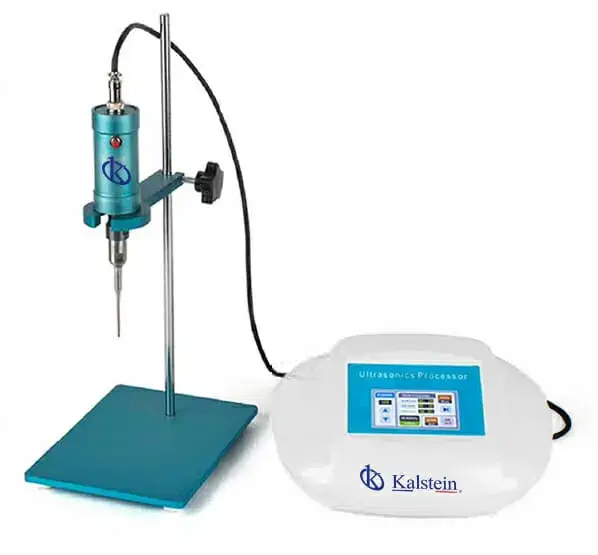
Interpreting Results and Reading Measurements with the YR05830 Ultrasonic Homogenizer
The YR05830 Ultrasonic Homogenizer Processor Sonicator is a versatile instrument that employs ultrasonic technology to generate cavitation effects in liquids, facilitating various material treatments. In this article, we will explore how to accurately interpret results and read measurements obtained from using this sophisticated instrument.
Understanding the Working Principle of the YR05830
The YR05830 utilizes ultrasonic waves to create high-frequency sound vibrations within a liquid medium. This process generates microscopic bubbles that collapse violently, leading to the phenomenon known as cavitation. This cavitation effect is crucial for homogenization, emulsification, and extraction processes, enabling the effective processing of various biological and chemical materials.
Technical Specifications of the YR05830
| Model | Power (W) | Frequency (KHz) | Ultrasonic Time (s/min) | Weight (kg) |
|---|---|---|---|---|
| YR05830 | 5-400 | 19-25 | 1s-99m-99h | 4.5 |
Interpreting Measurement Results
When utilizing the YR05830, understanding the output readings is essential for accurate data interpretation. The instrument provides real-time parameters on its touch screen, allowing users to monitor operational metrics such as power levels, time, and amplitude. Here’s how to interpret these readings:
- Power Output: The power setting (in watts) indicates the intensity of ultrasonic waves. Higher power levels can result in more effective homogenization but must be balanced against the thermal effects on sensitive samples.
- Ultrasonic Time: The time measured during processing is critical for achieving desired outcomes. Longer times can lead to sample degradation, especially in biological applications.
- Amplitude: Amplitude settings dictate the displacement of the ultrasonic waves. Understanding amplitude adjustments is crucial in achieving optimal results for specific applications.
Common Misinterpretations of Results
Users may encounter some common pitfalls when reading measurements from the YR05830. Misinterpretations can lead to erroneous conclusions and affect experimental outcomes:
- Inconsistent Results: Variability may stem from improper settings or sample inconsistencies. Always ensure that the same conditions are maintained across experiments.
- Overprocessing: Exceedingly high power or prolonged processing times can damage sensitive samples. It is vital to monitor the effects on the sample visually and by measurement.
- Calibration Errors: Regular calibration and maintenance of the YR05830 are necessary to maintain accuracy. Ensure that the device is calibrated according to manufacturer specifications.
Best Practices for Effective Measurement Interpretation
To enhance accuracy when interpreting results from the YR05830, consider the following best practices:
- Standardize Your Protocols: Create specific protocols for each type of sample that include power settings, temperatures, and processing times.
- Document All Results: Keep a detailed log of experiments, including settings and observations, to facilitate analysis and comparisons.
- Utilize Software Tools: Make use of software tools compatible with the YR05830 for further data analysis and visualization of results.
Frequently Asked Questions
How can I ensure accurate readings from the YR05830?
To ensure accurate readings, calibrate the device regularly, maintain consistent sample preparation protocols, and use the appropriate settings for each specific application.
What does the amplitude reading indicate on the YR05830?
The amplitude reading indicates the strength of the ultrasonic waves, which affects how well the sample is processed. Adjusting the amplitude can help optimize homogenization or emulsification processes.
How does the YR05830 handle temperature control during ultrasonic processing?
The YR05830 can be equipped with a temperature monitoring probe, allowing users to track and control the temperature during processing to prevent sample degradation due to excess heat.
What types of samples are best suited for the YR05830?
The YR05830 is ideal for processing biological samples, chemical emulsions, and nanomaterials due to its ability to efficiently disrupt cells and disperse particles.
Can I adjust the processing time on the YR05830?
Yes, the YR05830 allows you to set processing times from 1 second up to 99 hours, enabling flexibility for various laboratory protocols.
What maintenance is required for the YR05830 to ensure longevity?
Regular maintenance includes cleaning the transducer and probe, checking for wear, and ensuring that the ultrasonic generator is calibrated according to the manufacturer's guidelines.
How do I know if my measurements are consistent across different experiments?
Consistency can be assessed by comparing results under the same experimental setups. If discrepancies are noted, review the processing conditions and equipment status to identify deviations.
If you are looking for a fusion of innovation and quality, you have come to the right place. At Kalstein, we offer you the luxury of exploring our exclusive catalog of laboratory equipment. We manufacture every device to the highest standards of excellence. Our intuitive and seamless online purchasing channels are designed for your convenience, securing the most competitive prices. Hesitate no longer — we bring science to life, it is time to become part of our community.