How do ISO/IEC regulations impact the use of COD/BOD analyzers in laboratories?
In today's laboratory environment, ensuring compliance with ISO/IEC regulations is crucial for maintaining quality and reliability in testing procedures. This article will focus on how these standards specifically influence the selection and utilization of COD (Chemical Oxygen Demand) and BOD (Biochemical Oxygen Demand) analyzers. We will analyze various models, their compliance features, and best practices to meet these critical regulations.
Understanding ISO/IEC Standards Relevant to COD/BOD Analyzers
The primary ISO/IEC standards that laboratories must be aware of include ISO 17025, which sets out the general requirements for the competence of testing and calibration laboratories, and ISO 15189, which specifies the requirements for quality and competence in medical laboratories. Both standards emphasize the need for accurate and reliable measurements and the importance of proper documentation, traceability, and calibration.
ISO standards also introduce the concept of risk management, urging laboratories to identify potential risks in their processes and implement measures to mitigate these risks. This is particularly relevant when dealing with COD/BOD analyzers, as any inaccuracies can lead to severe consequences in environmental monitoring and compliance reporting.
ISO 17025: Key Compliance Considerations for COD/BOD Analyzers
ISO 17025 compliance requires laboratories to establish a quality management system, which encompasses all aspects of the operational processes. For COD/BOD analyzers, this means ensuring that the equipment is regularly calibrated using traceable standards, such as those outlined in the method documentation. Furthermore, the laboratory must maintain comprehensive records of all calibration and maintenance activities, which include performance checks and service logs.
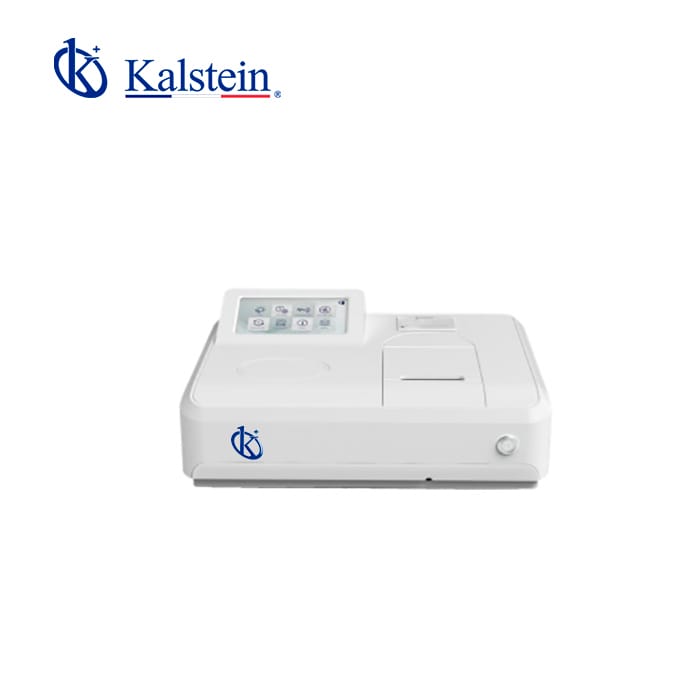
Choosing models that facilitate compliance with ISO 17025 is essential. For instance, the COD Analyzer YR06295 features automatic measurements and direct readings without the need to calibrate the blank, simplifying the compliance process while maintaining accuracy and reliability.
ISO 15189: How It Applies to BOD Testing
ISO 15189 emphasizes the importance of accuracy, reliability, and reproducibility in testing results, especially in medical laboratories. BOD testing is crucial in assessing the health of water bodies, and compliance with this standard ensures that results are credible.
For laboratories using the BOD Analyzer YR06297, which provides real-time results with minimal supervision, meeting ISO 15189 standards is more straightforward. The automation features of this model reduce human error and facilitate data reporting, which is essential for regulatory compliance.
Comparison of Available Models
| Model | ISO/IEC Clauses Covered | Traceability Features | Best for |
|---|---|---|---|
| YR06295 | ISO 17025 | Integrated standard curve | Fast COD testing |
| YR06296 | ISO 17025 | Customizable calibration curves | Portable tests |
| YR06297 | ISO 15189 | Data storage and retrieval | BOD environmental monitoring |
| YR06298 | ISO 17025 | Multiple programmable settings | Digestive processes |
Common Mistakes and How to Avoid Them
Laboratories often overlook the importance of thorough training on compliance standards and proper equipment use. A frequent mistake is failing to regularly calibrate and maintain analyzers, which can lead to inaccurate results and non-compliance. Implementing a routine maintenance schedule and ensuring that all staff are trained in compliance requirements can help mitigate these issues.
Another common oversight is inadequate documentation. Laboratories can avoid this by adopting a robust quality management system that includes clear protocols for recording calibration and maintenance activities, as well as test results and analyses.
Best Practices for Ensuring Compliance
To achieve ISO/IEC compliance in the use of COD and BOD analyzers, laboratories should focus on establishing a quality management system that includes standard operating procedures (SOPs) for all testing processes. Regular training sessions for staff on compliance requirements and equipment usage can significantly enhance laboratory performance.
Additionally, selecting analyzers that come equipped with features supporting compliance, such as the automatic data recording capabilities of the Digestion Instrument YR06298, can streamline workflows and enhance reliability in reporting.
Frequently Asked Questions
What are the key ISO/IEC standards impacting COD/BOD analyzers in 2023?
The key ISO/IEC standards impacting COD/BOD analyzers include ISO 17025 and ISO 15189, which address quality and competence in testing laboratories. Models like the COD Analyzer YR06295 are designed to facilitate compliance with these standards through features like automatic measurements and traceability.
How can proper calibration ensure ISO 17025 compliance for COD analyzers?
Proper calibration is essential for ISO 17025 compliance as it ensures the accuracy and reliability of test results. The COD Analyzer YR06295 offers an integrated standard curve that simplifies the calibration process and provides accurate COD measurements, supporting compliance efforts.
Which BOD analyzers are best suited for ISO 15189 compliance?
BOD analyzers like the BOD Analyzer YR06297 are well-suited for ISO 15189 compliance as they provide real-time results and automated data tracking, significantly reducing the chances of human error and enhancing reliability in testing.
How can I ensure traceability with my COD/BOD analyzer?
Ensuring traceability with your COD/BOD analyzer involves using models that incorporate traceable standards and documentation capabilities. For example, the YR06296 allows for the creation of customizable calibration curves, ensuring traceability in results.
What are the consequences of non-compliance with ISO/IEC standards in labs?
Non-compliance with ISO/IEC standards can lead to inaccurate testing results, regulatory penalties, and loss of credibility. Utilizing compliant models like the BOD Analyzer YR06297 helps mitigate these risks through enhanced data integrity and automation.
What is the importance of routine maintenance for COD/BOD analyzers?
Routine maintenance is crucial for ensuring the performance and longevity of COD/BOD analyzers. Regular checks help maintain accuracy and compliance, which can be effectively managed with the automated features of models like YR06298.
How do digital records enhance compliance with ISO standards in laboratories?
Digital records enhance compliance by providing a reliable and easily accessible way to track calibration, testing, and maintenance activities. For instance, the BOD Analyzer YR06297 allows for systematic data storage, facilitating better compliance with ISO standards.
How does ISO 15189 apply to the environmental testing of BOD?
ISO 15189 applies to environmental testing of BOD by ensuring the accuracy and reliability of results. The BOD Analyzer YR06297 supports this compliance by providing automated processes and detailed reporting capabilities.
If you are looking for a fusion of innovation and quality, you have come to the right place. At Kalstein, we offer you the luxury of exploring our exclusive catalog of laboratory equipment. We manufacture every device to the highest standards of excellence. Our intuitive and seamless online purchasing channels are designed for your convenience, securing the most competitive prices. Hesitate no longer — we bring science to life, it is time to become part of our community.