How to Achieve LIMS Integration and Data Flow Digitalization with Ultrasonic Homogenizers?
In modern laboratories, the integration of ultrasonic homogenizers with Laboratory Information Management Systems (LIMS) is crucial for effective data management and workflow optimization. This article explores the different models of ultrasonic homogenizers, their specifications, and how they facilitate data flow digitalization.
Ultrasonic Homogenizers: An Overview
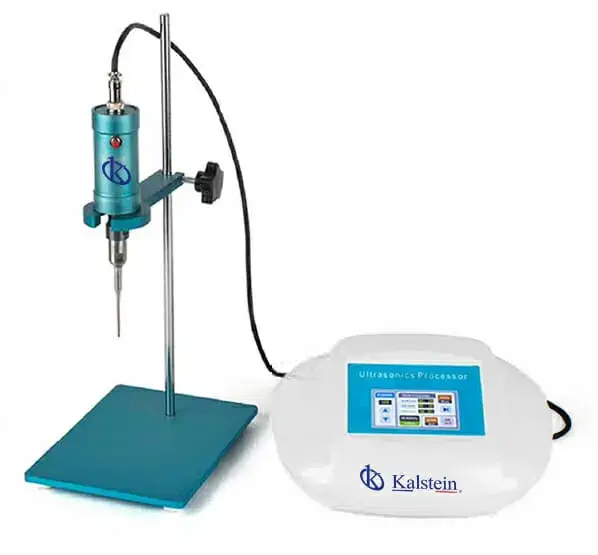
Ultrasonic homogenizers utilize ultrasonic waves to produce cavitation effects in liquids, which is beneficial for various processes such as emulsion, extraction, and cell disruption. The connection with LIMS allows for enhanced data handling, allowing laboratories to streamline operations and maintain compliance.
Benefits of LIMS Integration with Ultrasonic Homogenizers
Integrating ultrasonic homogenizers with LIMS offers numerous advantages, including improved traceability, reduced manual data entry, and automated reporting. This integration ensures that all processing steps are recorded and easily accessible, which is essential for regulatory compliance and quality assurance.
Key Features of Ultrasonic Homogenizers
Ultrasonic homogenizers come equipped with various features that enhance their usability within laboratory settings. Key features include:
- Touchscreen interface for easy operation
- Variable ultrasonic power settings
- Temperature control options
- Multiple application capabilities
Comparison of Available Models
| Model | Ultrasonic Power (W) | Capacity (ml) | Protocols Supported | Best for |
|---|---|---|---|---|
| YR05829 | 5-150 | 0.1-50 | HL7, ASTM | Small-scale applications |
| YR05830 | 5-250 | 0.5-100 | HL7, ASTM | Medium-scale applications |
| YR05831 | 5-400 | 0.5-300 | HL7, ASTM | Large-scale applications |
| YR05831-op1 | 5-400 | 0.5-300 | HL7, ASTM | Lab research |
| YR05831-op2 | 5-400 | 0.5-300 | HL7, ASTM | Field research |
| YR05832 | 650 | 0.2-500 | HL7, ASTM | High-throughput processing |
Common Mistakes and How to Avoid Them
When integrating ultrasonic homogenizers with LIMS, common mistakes include poor system compatibility, inadequate training for personnel, and neglecting to ensure data integrity. To avoid these issues, ensure that all systems are compatible, provide thorough training, and implement regular audits to maintain data quality.
Frequently Asked Questions
How does LIMS integration enhance the performance of ultrasonic homogenizers?
LIMS integration enhances ultrasonic homogenizers' performance by automating data recording and ensuring traceability of processes like those achieved with YR05831, which handles up to 300 ml samples efficiently.
Which ultrasonic homogenizer model is best for small-scale applications in a lab?
The YR05829 model is ideal for small-scale applications due to its ultrasonic power range of 5-150 W and capacity of 0.1-50 ml, making it suitable for focused experiments.
What are the key considerations for LIMS compatibility with ultrasonic homogenizers?
Key considerations for LIMS compatibility include supported protocols like HL7 or ASTM, integration effort, and the specific data management needs of the lab. Models like YR05830 offer robust integration features.
How can ultrasonic homogenizers be used to meet compliance standards in laboratories?
Ultrasonic homogenizers like the YR05831 can help meet compliance standards by providing precise control over processing conditions, essential for reproducibility and data accuracy required in regulated environments.
What role does data integrity play in ultrasonic homogenizer operations?
Data integrity is crucial for ultrasonic homogenizer operations as it ensures accuracy in results and compliance with standards like ISO 17025. Models like YR05832 support rigorous data documentation practices.
How much does implementing LIMS with ultrasonic homogenizers cost on average?
Implementing LIMS with ultrasonic homogenizers can average between $5,000 and $20,000 depending on the lab scale and specific systems like the YR05830, which offers scalable features.
What features should I look for in an ultrasonic homogenizer for LIMS integration?
When selecting an ultrasonic homogenizer for LIMS integration, look for features like touchscreen controls, variable power settings, and compatibility with data protocols, as seen in the YR05831 series.
Can ultrasonic homogenizers reduce data entry errors in laboratory workflows?
Yes, ultrasonic homogenizers paired with LIMS can significantly reduce data entry errors by automating data capture directly from the device, thus enhancing overall laboratory workflow efficiency.
If you are looking for a fusion of innovation and quality, you have come to the right place. At Kalstein, we offer you the luxury of exploring our exclusive catalog of laboratory equipment. We manufacture every device to the highest standards of excellence. Our intuitive and seamless online purchasing channels are designed for your convenience, securing the most competitive prices. Hesitate no longer — we bring science to life, it is time to become part of our community.