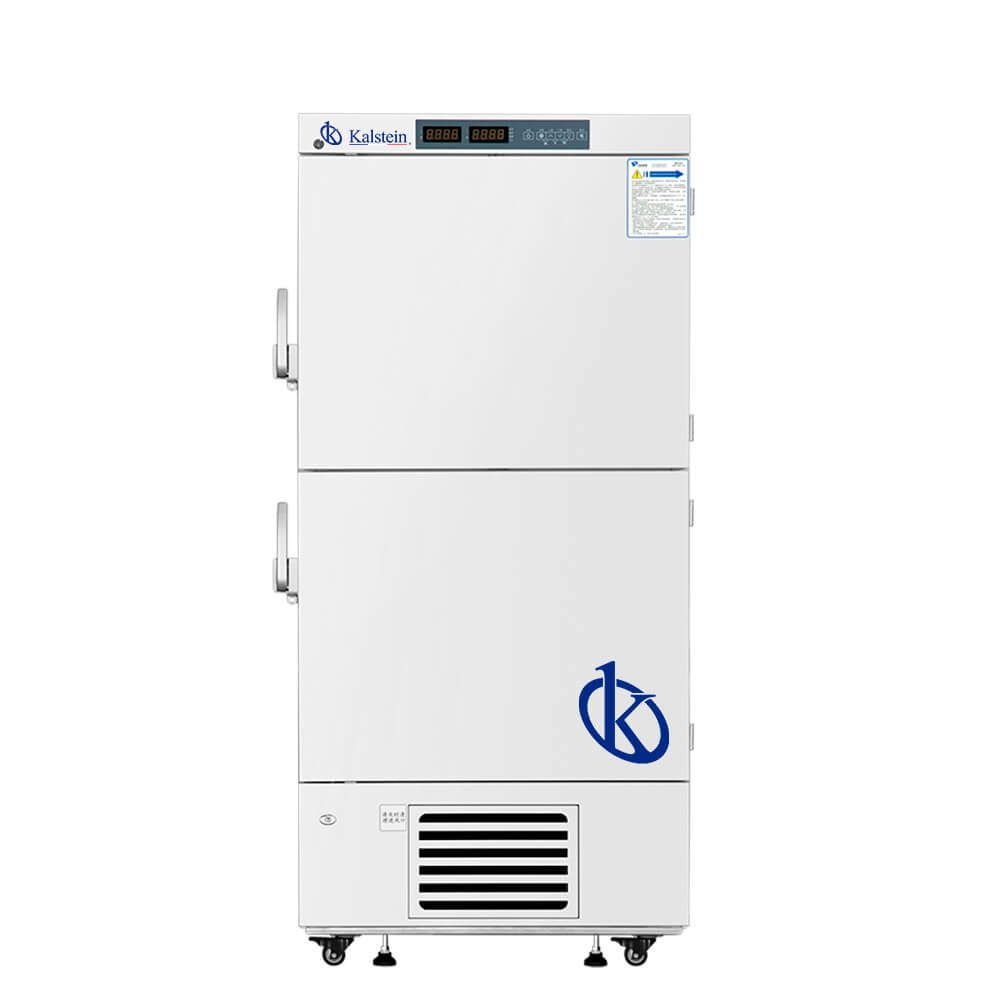
Low Temperature Freezers: Practical Applications and Techniques 2026
Low temperature freezers have become an essential component in laboratories, particularly for clinical and hospital settings. With their ability to store samples at very low temperatures, they ensure the integrity and longevity of sensitive materials. This article will delve into the various applications, best practices, and techniques associated with low temperature freezers, including a comparison of different models available in the market.
What is it used for in 2026
In 2026, low temperature freezers are primarily used for the long-term storage of biological samples, including blood, tissues, vaccines, and other pharmaceuticals that require strict temperature control. They are critical in research laboratories, hospitals, and blood banks where the preservation of sample integrity is paramount. By maintaining a stable environment, these freezers play a crucial role in ensuring that samples remain viable for testing and research.
History and evolution of the technology
The technology behind low temperature freezers has evolved significantly over the years. Early models used mechanical compressors and were bulky and inefficient. With advancements in refrigeration technology, modern models are more compact, energy-efficient, and equipped with sophisticated temperature control systems. The introduction of digital displays, alarms, and independent compartments has revolutionized how laboratories utilize these devices, providing better monitoring and reliability.
How to use it step by step
- Preparation: Ensure that the freezer is properly installed and leveled. Allow it to reach the desired temperature before loading samples.
- Loading Samples: Use adjustable shelves or drawers to organize samples based on size and type. Avoid overcrowding to ensure proper air circulation.
- Temperature Monitoring: Regularly check the digital display for temperature accuracy. Set alarms for out-of-range temperatures.
- Maintenance: Clean the interior regularly and check seals for integrity. Ensure that the freezer is defrosted if it is a manual defrost model.
Best techniques and protocols
To maximize the efficacy of low temperature freezers, laboratory professionals should follow several best practices:
- Use appropriate containers for sample storage to prevent contamination.
- Label all samples clearly with relevant information.
- Establish a regular maintenance schedule that includes temperature checks and cleaning.
- Train staff on proper loading and unloading techniques to minimize temperature fluctuations.
Practical applications by laboratory type
Low temperature freezers are utilized across various types of laboratories:
- Clinical Laboratories: For storing blood samples and diagnostics reagents.
- Pharmaceutical Laboratories: Essential for maintaining the efficacy of vaccines and medications.
- Research Laboratories: Useful for preserving biological specimens for future experimentation.
Regulations, standards and certifications
Laboratories utilizing low temperature freezers must adhere to various regulations and standards, such as:
- ISO 9001 for quality management systems.
- FDA regulations for medical devices, particularly in pharmaceutical settings.
- Good Laboratory Practice (GLP) standards to ensure the reliability of test data.
Comparison with alternative technologies
While low temperature freezers are vital for many applications, other technologies also exist, such as:
- Liquid Nitrogen Tanks: Used for ultra-low temperature storage but require more complex handling and safety measures.
- Refrigerator-Freezers: For general storage but are not suitable for very low temperatures required for sensitive samples.
Comparison of available models
| Model | Best for | Key specs | Recommended use case |
|---|---|---|---|
| YR05100 | Flexible sample storage | -20 ~ -40 °C, Manual defrost, 340W | Best for labs with varying sample sizes requiring adjustable shelving. |
| YR05309 | High reliability | -20 ~ -40 °C, 310W, Multiple alarms | Ideal for clinical settings needing robust alarm systems. |
| YR05311 | Laboratory use | -10 ~ -25 °C, 300W, Stainless steel | Perfect for labs requiring easy access and flexible storage options. |
Common mistakes and how to avoid them
Several common mistakes can undermine the effectiveness of low temperature freezers:
- Overloading: Ensure not to exceed the freezer's capacity to maintain optimal temperature.
- Improperly labeling samples: Always use clear labels to prevent misidentification.
- Neglecting maintenance: Regular checks and cleaning are essential for optimal performance.
Maintenance, calibration and good practices 2026
In 2026, maintenance practices for low temperature freezers include:
- Regular calibration of temperature sensors to ensure accuracy.
- Replacing worn seals and gaskets to prevent temperature leakages.
- Implementing a log for maintenance activities and temperature readings.
Cost-benefit analysis 2026
Investing in a low temperature freezer can yield significant benefits, such as:
- Preserving valuable biological samples that can lead to important discoveries.
- Reducing waste related to sample degradation.
- Enhancing the laboratory's capability to meet regulatory standards, thus maintaining its reputation.
Frequently asked questions
What should I consider when choosing a low temperature freezer?
When choosing a low temperature freezer, consider factors such as temperature range, capacity, energy efficiency, and safety features like alarm systems.
How can I ensure my samples are stored safely?
To ensure safe storage, regularly monitor the temperature, properly label samples, and avoid overloading the freezer.
What maintenance is required for low temperature freezers?
Maintenance includes regular cleaning, calibration of temperature sensors, and checking seals for integrity.
Are there specific regulations I need to follow?
Yes, you must adhere to ISO standards and FDA regulations, especially if you're in a clinical or pharmaceutical setting.
What are the benefits of using a low temperature freezer?
Benefits include the long-term preservation of samples, enhanced reliability in lab results, and compliance with safety standards.
How often should I perform maintenance on my freezer?
Regular checks should be performed monthly, with a thorough maintenance schedule established quarterly to ensure optimal performance.
If you are looking for a fusion of innovation and quality, you have come to the right place. At Kalstein, we offer you the luxury of exploring our exclusive catalog of laboratory equipment. We manufacture every device to the highest standards of excellence. Our intuitive and seamless online purchasing channels are designed for your convenience, securing the most competitive prices. Hesitate no longer — we bring science to life, it is time to become part of our community.