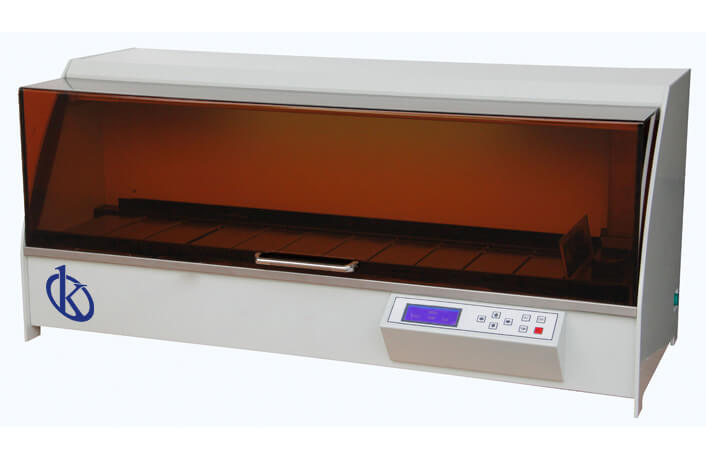
Maximizing ROI in Tissue Processors: A Comprehensive Cost-Benefit Analysis
In the demanding field of pathological anatomy, tissue processors play a vital role in the preparation of specimens for histological examinations. As laboratories seek to enhance their efficiency while managing costs, a focus on return on investment (ROI) and cost-benefit analysis becomes paramount. This article delves into the various models available in the tissue processor subcategory, examining their financial implications and operational efficiencies to aid laboratory professionals in making informed purchasing decisions.
Understanding ROI and Cost-Benefit Analysis for Tissue Processors
ROI is a critical financial metric that evaluates the gains or losses generated relative to the investment made. In the context of tissue processors, this translates to analyzing how the initial capital expenditure (CAPEX) and ongoing operational costs (OPEX) impact the laboratory's overall profitability. Cost-benefit analysis, on the other hand, involves assessing both the tangible and intangible benefits gained from using a specific tissue processor model against its costs.
Comparison of Available Models
| Model | CAPEX (USD) | Cost per Test (USD) | Payback Period (Months) | Recommended Scenario |
|---|---|---|---|---|
| YR431-1 | 11000.00 | 1.00 | 12 | Medium to large laboratories requiring high throughput |
| YR436-2 | 4400.00 | 0.80 | 15 | Budget-focused labs with moderate sample volume |
| YR427 | 2600.00 | 0.60 | 8 | Small laboratories with limited space |
| YR428 | 2900.00 | 0.75 | 10 | Small labs needing reliable performance |
| YR429 | 3300.00 | 0.70 | 11 | Labs with varied sample types demanding versatility |
ROI Calculation: A Closer Look
To effectively calculate ROI, laboratories must consider both direct and indirect costs associated with the acquisition and operation of tissue processors. Direct costs include the purchase price, maintenance, and consumables, while indirect costs may encompass training, downtime, and lost opportunities. By evaluating these factors, labs can gain insights into the financial returns expected from their investment.
Direct Costs and Implications
Direct costs are usually easier to quantify. For instance, the upfront cost of the YR431-1 model is $11,000. However, ongoing costs, such as consumables and maintenance, also contribute to the total cost of ownership. Understanding these expenses helps to outline a clearer picture of the anticipated ROI.
Indirect Cost Considerations
Indirect costs can significantly affect ROI and must not be overlooked. For example, if a laboratory adopts the YR427 model, its compact design not only saves space but also reduces overhead costs associated with facility maintenance. This contributes positively to the overall ROI by freeing up resources for other operational needs.
Common Mistakes and How to Avoid Them
When performing a cost-benefit analysis, laboratories often fall into common pitfalls. One mistake is failing to factor in hidden costs related to training or integration with existing systems. Another error is overestimating the lifespan of the equipment without considering depreciation. To avoid these mistakes, labs should conduct thorough research and perhaps consult with manufacturers about the total cost of ownership.
Neglecting Hidden Costs
Hidden costs, such as training for new staff on a new YR436-2 processor, can significantly impact ROI. It is essential for labs to include these in the financial analysis to avoid unexpected financial strain.
Overestimating Equipment Lifespan
While a tissue processor like the YR428 may have a long lifespan, neglecting to account for depreciation can skew ROI calculations. Laboratories should base their analysis on realistic projections of equipment longevity and performance.
Optimizing Productivity and Throughput with Tissue Processors
Efficiency in sample processing is crucial for maximizing the return on investment. High-throughput models like the YR431-1 and YR429 allow laboratories to process more samples per hour, thereby increasing revenue potential. Factors such as the number of cups, heating efficiency, and automated features play a significant role in how quickly and accurately samples can be processed.
Impact of Throughput on ROI
Higher throughput translates to lower costs per test. For instance, the YR431-1 model can handle a maximum of 130 specimens, enhancing productivity and reducing the overall cost per test. By increasing throughput, labs can achieve a quicker return on investment.
Automation and Efficiency
Automation features in models like the YR429 facilitate smooth operations and minimize human error. This not only leads to consistent results but also helps maintain the quality of the samples, ultimately reducing costs related to re-testing or sample loss.
Energy Consumption and Sustainability Considerations
With rising energy costs and environmental concerns, laboratories must consider the energy consumption of tissue processors. Models such as the YR428 feature energy-efficient designs that lower operational costs and support sustainable practices. Energy-efficient systems not only save costs but can also qualify for grants or incentives aimed at improving laboratory sustainability.
Calculating Energy Costs
Understanding the energy consumption of a tissue processor, such as the YR431-1, is vital for cost analysis. By measuring kilowatt-hours per run and factoring this into the cost-benefit analysis, labs can make more informed decisions regarding equipment purchases.
Sustainable Practices in the Lab
Incorporating sustainability into laboratory operations is becoming increasingly important. Facilities that adopt energy-efficient tissue processors can enhance their public image while reducing operational costs. The YR436-2, for example, is designed with energy efficiency in mind, making it a viable option for labs looking to reduce their carbon footprint.
Frequently Asked Questions
What are the key factors influencing ROI for tissue processors in laboratories?
Key factors influencing ROI include initial purchase cost, operational expenses, throughput, and energy consumption. For example, the YR431-1 model, with a CAPEX of $11,000, can significantly enhance throughput, leading to improved financial returns.
How does energy consumption affect the cost-benefit analysis of tissue processors?
Energy consumption directly impacts operational costs, influencing the overall ROI. Models like the YR428 are designed to be energy-efficient, helping labs to minimize expenses and improve sustainability, contributing positively to the cost-benefit analysis.
Which tissue processor model offers the best value for small laboratories?
The YR427, priced at $2,600, offers excellent value for small laboratories due to its compact design and low operational costs, making it an ideal choice for budget-conscious facilities looking to optimize their ROI.
How can tissue processors improve productivity in laboratories?
Tissue processors, such as the YR429 and YR431-1, enhance productivity by allowing higher sample throughput and automation features, resulting in lower costs per test and a faster return on investment for laboratories.
What is the typical payback period for investing in a tissue processor?
Payback periods vary by model and laboratory size; for instance, the YR431-1 typically has a payback period of 12 months, depending on usage and operational efficiency, reflecting a solid investment for medium to large labs.
Why is a comprehensive cost-benefit analysis essential before purchasing a tissue processor?
A comprehensive cost-benefit analysis helps laboratories assess all costs and benefits associated with a tissue processor purchase, ensuring they make informed decisions that maximize ROI, particularly with models like the YR436-2 that offer lower operational costs.
What maintenance costs should laboratories anticipate for tissue processors?
Maintenance costs can vary, but typically include service agreements, replacement parts, and consumables. For example, the YR431-1 model may incur higher maintenance costs due to its advanced features, emphasizing the need for detailed cost planning.
What features should be prioritized when selecting a tissue processor for ROI optimization?
Features such as throughput capacity, energy efficiency, and automation capabilities should be prioritized. Models like the YR429 offer extensive automation, which can drastically improve throughput and reduce operational costs, optimizing overall ROI.
If you are looking for a fusion of innovation and quality, you have come to the right place. At Kalstein, we offer you the luxury of exploring our exclusive catalog of laboratory equipment. We manufacture every device to the highest standards of excellence. Our intuitive and seamless online purchasing channels are designed for your convenience, securing the most competitive prices. Hesitate no longer — we bring science to life, it is time to become part of our community.